Understanding Neuromuscular Scoliosis
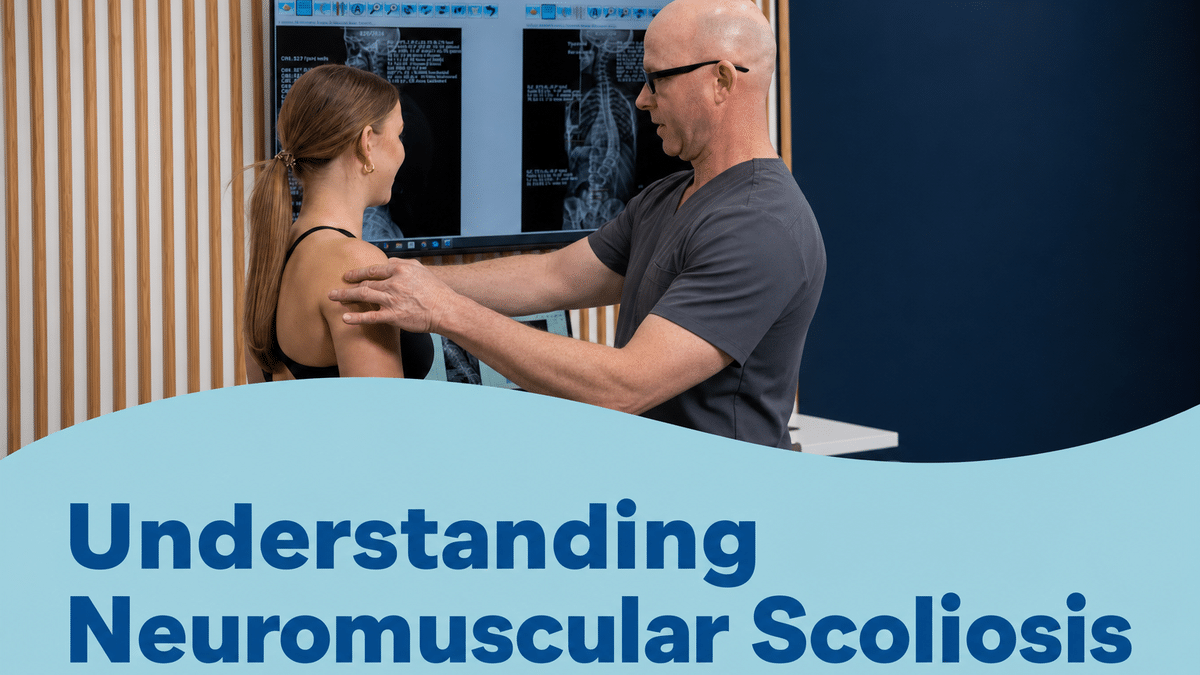
Neuromuscular scoliosis is caused by underlying nerve or muscle disorders and is often more severe, requiring specialized, individualized treatment.
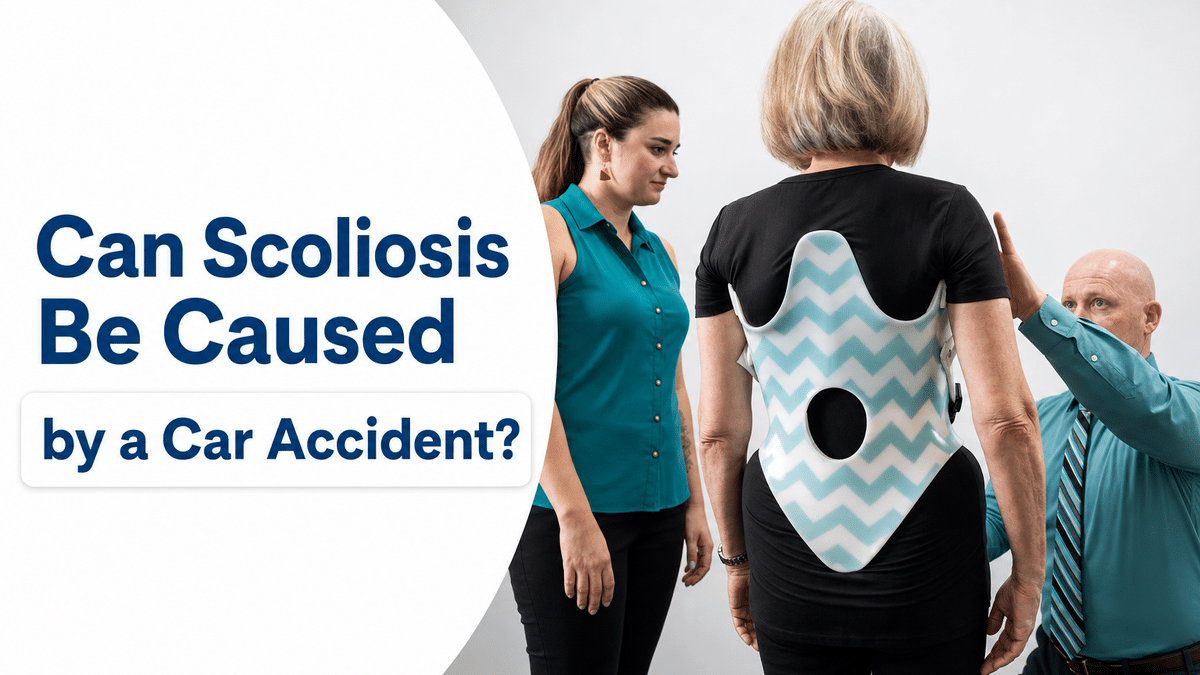
Traumatic scoliosis can develop after serious spinal injuries, while car accidents may also worsen existing scoliosis by affecting spinal stability.
The spine’s healthy curves, when viewed from the side, increase its strength, flexibility, and ability to handle mechanical stress. The …
A Dowager’s hump is excessive upper-back rounding, often in older adults. Early treatment, exercise, and bracing can help improve posture and support.
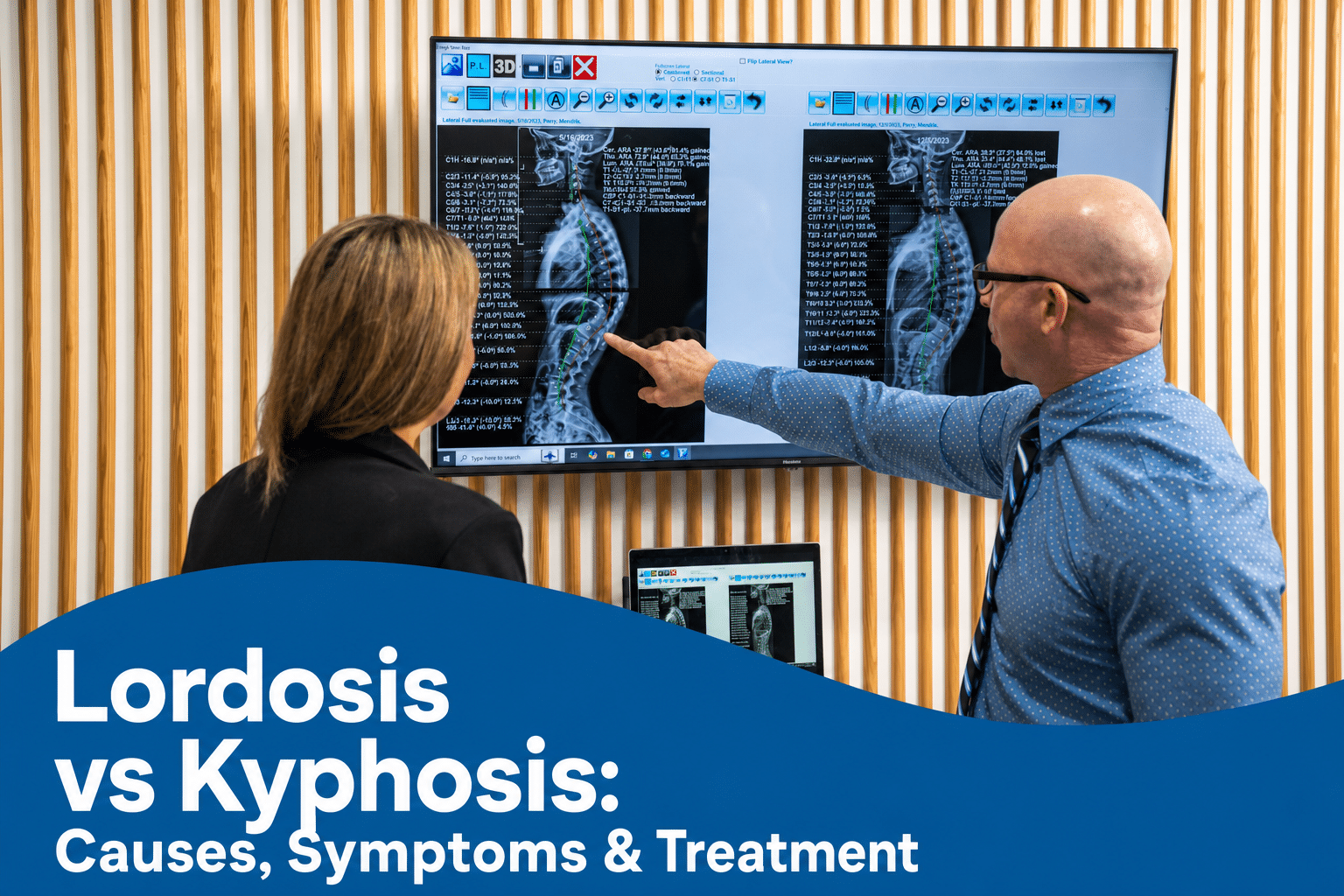
Healthy lordosis and kyphosis keep the spine strong and balanced. Too much or too little of either curve can affect posture, movement, and function.
The spine’s natural curves support strength, flexibility, and balance. When these curves become abnormal, posture, movement, and spinal health can suffer.
Scoliosis affects the body in a myriad of ways, but what’s important to understand is that it doesn’t always have …
The spinal cord consists of 31 pairs of spinal nerves, and if the spine’s unnatural curve and twist exposes the …
The effects of scoliosis aren’t just limited to the back. Although scoliosis causes the development of an unnatural lateral curvature …
Scoliosis symptoms can range from mild to severe, and the larger the size of the unnatural spinal curve, the more …
Scoliosis is a condition that affects the spine: an unnatural sideways-bending spinal curvature that rotates develops. As a progressive lateral …
Running with scoliosis may be deemed safe for some, safe with modifications for others, or can be restricted. Potential pros …
Scoliosis is progressive, so its effects can change and increase over time. While daily self-care strategies are important, the most …
The connection between scoliosis and genetics isn’t fully clear; the cause does depend on the type in question, and the …
Scoliosis types vary by cause—idiopathic is most common, while atypical forms are often more severe. Treatment must be customized for each case.
Scoliosis often causes posture changes and pain—severe or atypical cases can affect heart function, making early detection and treatment important.
Severe scoliosis can affect breathing by altering rib cage alignment—but early treatment helps prevent progression and reduces risk of complications.
Structural scoliosis involves spinal rotation and fixed curves, while functional scoliosis stems from external factors like posture or imbalance and may resolve.
The spine’s healthy curves, like thoracic kyphosis, support posture and movement—too much or too little kyphosis can lead to postural and health issues.
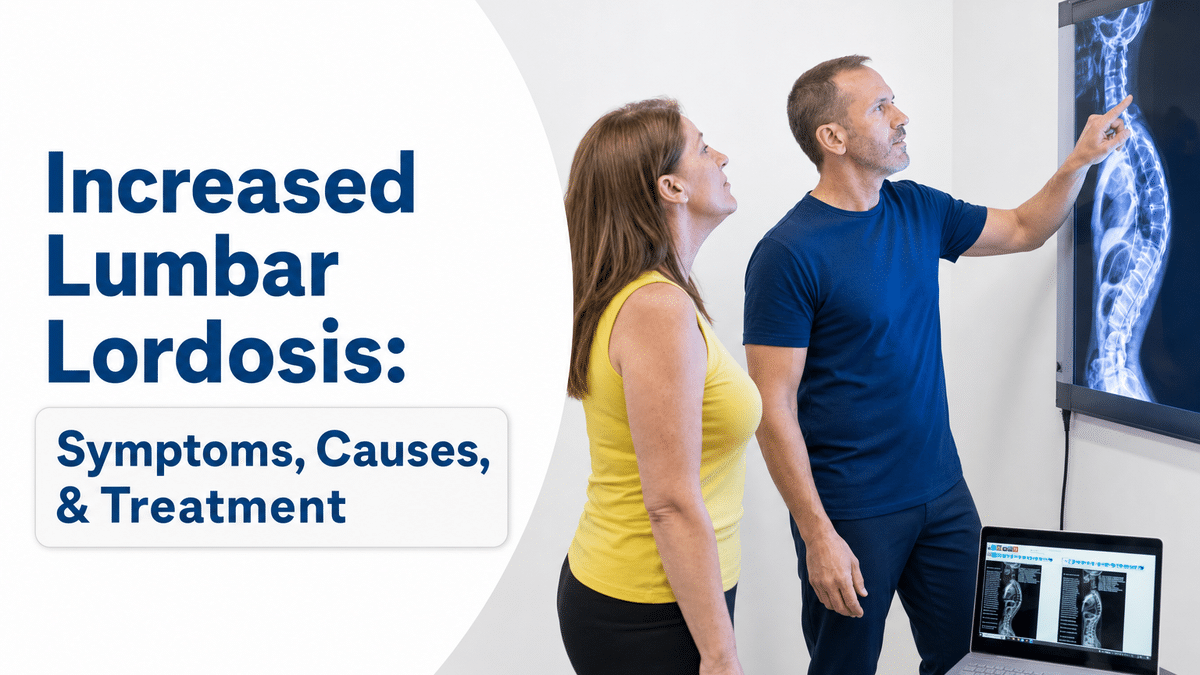
The spine’s natural curves support strength and flexibility—when lordosis becomes too curved (hyper) or too flat (hypo), it may lead to postural problems.
Scoliosis is progressive, but early detection and proactive care can help prevent complications—untreated scoliosis may worsen and impact health.
Scoliosis affects posture by disrupting spinal alignment—uneven shoulders or hips are often early signs, and awareness can lead to early detection.
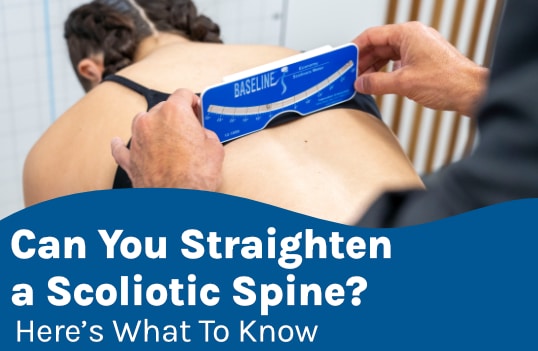
Scoliosis severity is measured by Cobb angle on X-ray—early, accurate assessment is key, as untreated curves can worsen and cause body-wide effects.
Early signs of scoliosis—like uneven shoulders or hips—can be subtle. Spotting them early boosts the chances of successful, proactive treatment.
ScoliCare Clinics, affiliates and product providers are in over 200 locations around the world. Find your nearest ScoliCare location here.