Can Scoliosis Cause Neuropathy? Explained
Can Scoliosis Cause Neuropathy? Explained
Scoliosis can sometimes irritate or compress spinal nerves, causing tingling, numbness, or pain. Learn how scoliosis and neuropathy may be linked.

Scoliosis can sometimes irritate or compress spinal nerves, causing tingling, numbness, or pain. Learn how scoliosis and neuropathy may be linked.
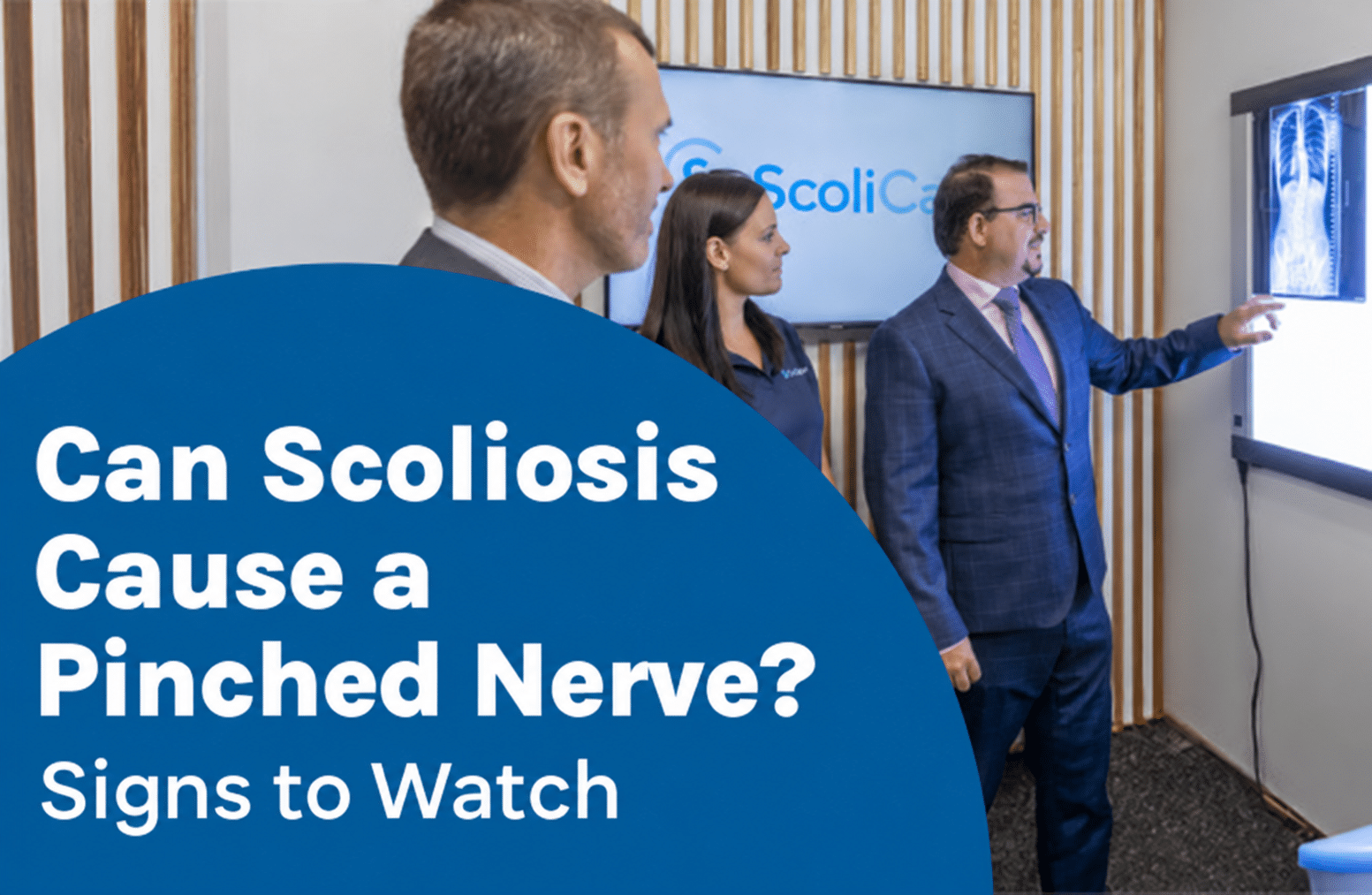
Scoliosis can sometimes cause a pinched nerve, leading to pain, tingling, numbness, or weakness. Learn the signs and when to seek an assessment.
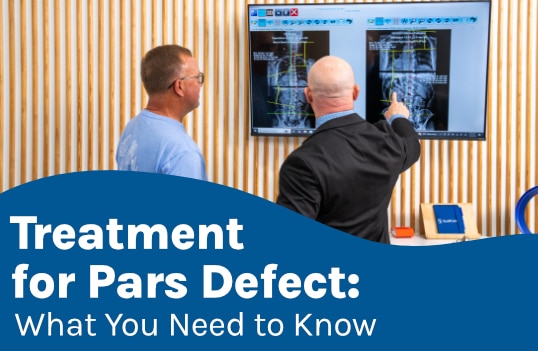
Learn what causes pars defects (spondylolysis), common symptoms, and treatment options, from physiotherapy and bracing to surgery.
Osteopathy may ease scoliosis pain and tension, but it does not correct the curve. Scoliosis-specific exercise and 3D bracing target the condition itself.
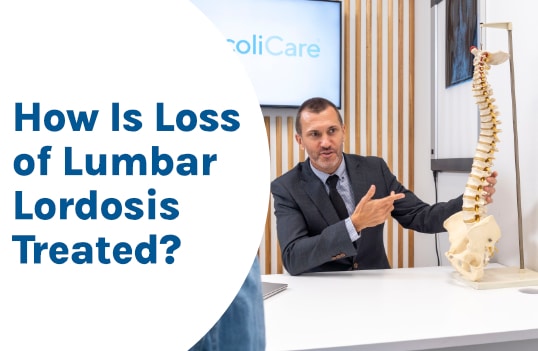
Loss of lumbar lordosis, or flatback, can cause pain, stiffness, and posture changes. Customized care can help restore healthy spinal alignment.
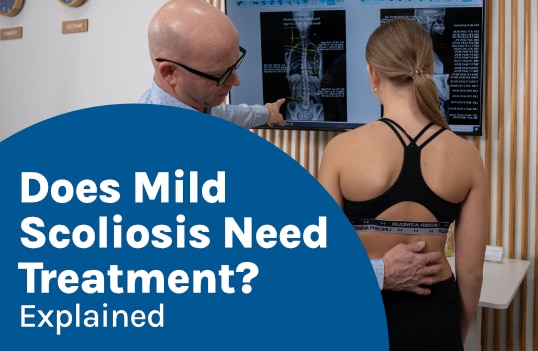
Mild scoliosis should be assessed and monitored carefully. Individualized care can help manage progression and determine the right treatment approach.

ScoliBrace® and ScoliNight offer customized scoliosis bracing for day or night wear, supporting correction as part of a personalized treatment plan.
Degenerative scoliosis often affects adults over 60, causing pain and instability. Customized treatment can improve balance, comfort, and quality of life.
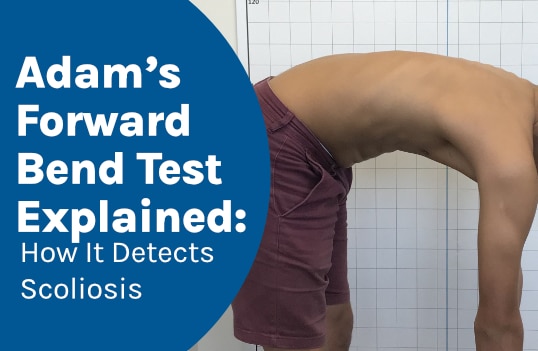
The Adam’s forward bend test can reveal early signs of scoliosis. A professional assessment can determine if further testing or treatment is needed.
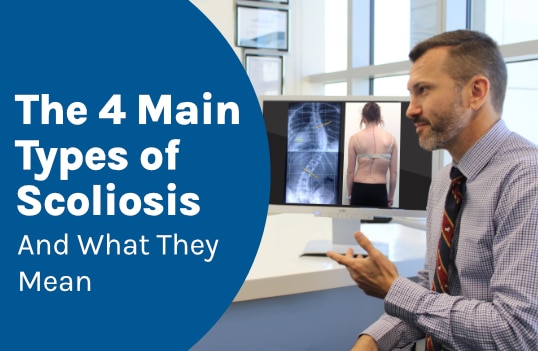
The four main scoliosis types are idiopathic, degenerative, neuromuscular, and congenital. Each has distinct causes, characteristics, and treatment needs.
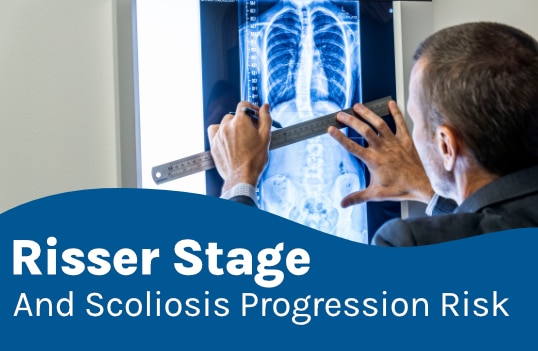
The Risser stage estimates remaining growth in children with scoliosis, helping assess progression risk and guide a customized treatment plan.
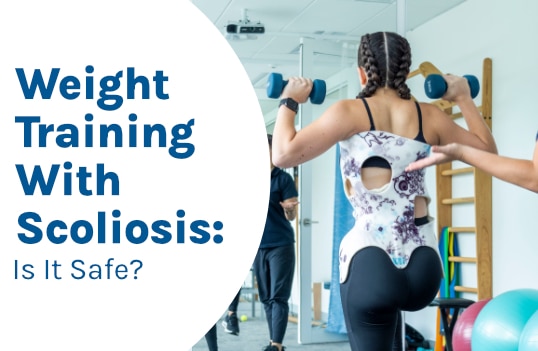
Weight training with scoliosis can build core strength and support the spine, but proper form, personalized guidance, and professional clearance are key.
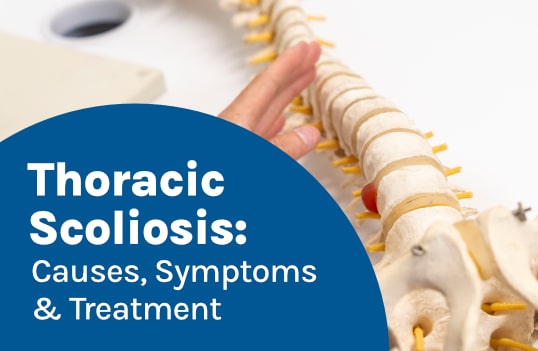
Thoracic scoliosis affects the middle and upper back and may involve greater rotation and progression. Customized treatment addresses each patient’s needs.

Scoliosis pain varies by age and severity. Mild childhood cases may cause little pain, while adult scoliosis is more often linked to pain and compression.

Severe thoracic scoliosis can affect the heart and lungs by altering the chest cavity. Early treatment can help reduce the risk of complications.
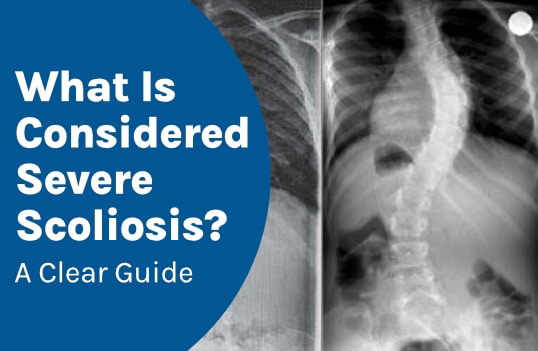
Scoliosis severity is classified as mild, moderate, or severe based on Cobb angle. Accurate measurement helps guide treatment and monitor progression.
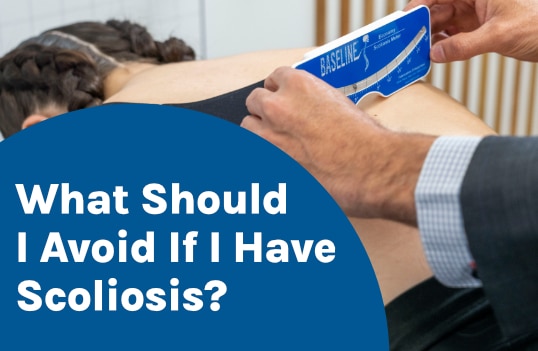
While no two cases of scoliosis are the same, there are certain activities and lifestyle factors that may need to be modified or avoided completely. People with scoliosis need to lead a spine- and scoliosis-friendly lifestyle to preserve spinal health and increase potential treatment efficacy.
Scoliosis patients should avoid exercise that strains the spine, exposes the spine to excessive compressive force, or overuses one side of the body. Poor posture, low-activity levels, and carrying excess weight should also be avoided.
People with scoliosis can lead fulfilling lives in every regard, but in some cases, there are certain activities and exercises to avoid, and leading a spine-friendly lifestyle is important.

Juvenile scoliosis affects children ages 4–10 and often progresses with growth. Early detection and proactive treatment can improve long-term outcomes.

Lumbar scoliosis can compress the sciatic nerve, causing pain that radiates down the leg. Early treatment helps reduce symptoms and limit progression.
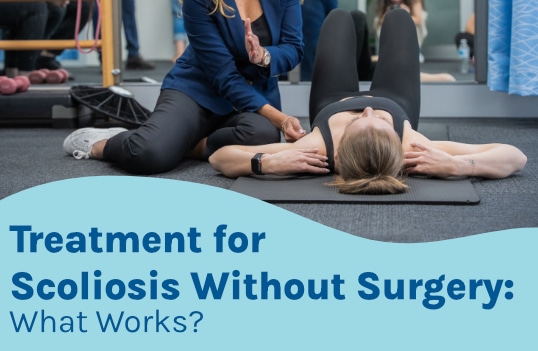
Evidence-based nonsurgical scoliosis care combines targeted exercises, corrective bracing, and supportive therapies to help manage progression and improve outcomes.
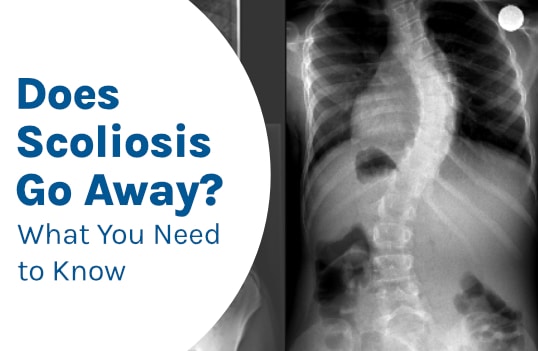
Most scoliosis cases progress over time, especially during growth. Early, proactive treatment helps slow progression and improve long-term spinal health.
The right sleeping position can ease scoliosis discomfort. Back sleeping offers the best spinal support, while side sleeping is also beneficial for many patients.
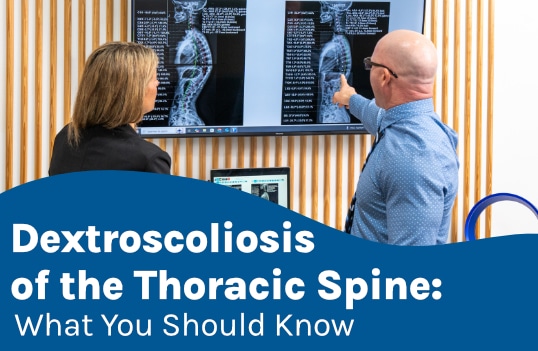
Thoracic dextroscoliosis is a right-curving spinal condition affecting the upper back. Early diagnosis helps guide personalized treatment and manage progression.

Rotoscoliosis combines a spinal curve with severe rotation, often causing more noticeable symptoms. Early assessment helps guide personalized treatment.
ScoliCare Clinics, affiliates and product providers are in over 200 locations around the world. Find your nearest ScoliCare location here.