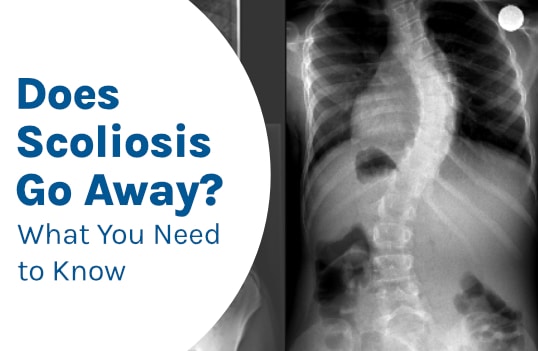
Does Scoliosis Go Away? What You Need to Know
Does Scoliosis Go Away? What You Need to Know
Most scoliosis cases progress over time, especially during growth. Early, proactive treatment helps slow progression and improve long-term spinal health.

Most scoliosis cases progress over time, especially during growth. Early, proactive treatment helps slow progression and improve long-term spinal health.
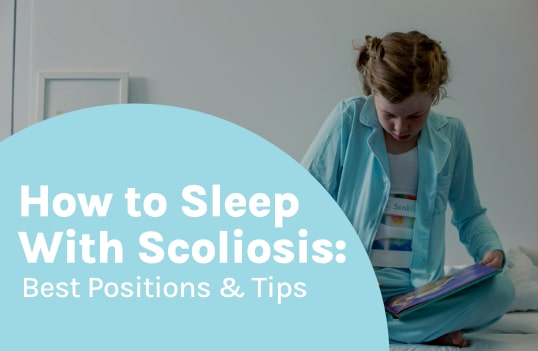
The right sleeping position can ease scoliosis discomfort. Back sleeping offers the best spinal support, while side sleeping is also beneficial for many patients.
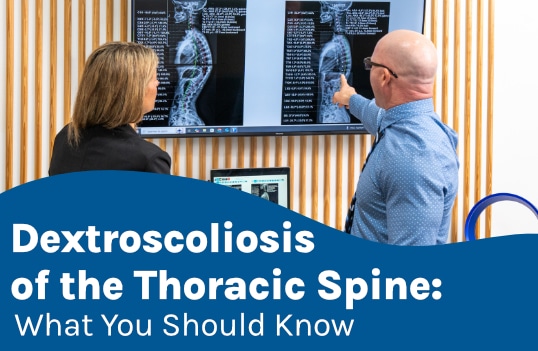
Thoracic dextroscoliosis is a right-curving spinal condition affecting the upper back. Early diagnosis helps guide personalized treatment and manage progression.

Rotoscoliosis combines a spinal curve with severe rotation, often causing more noticeable symptoms. Early assessment helps guide personalized treatment.
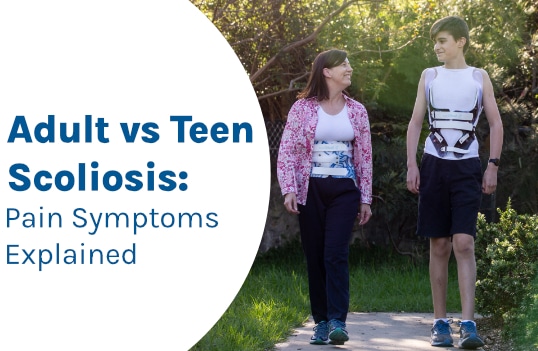
Scoliosis pain varies by age and severity. Adults are more likely to experience back and nerve pain, while early treatment can help limit progression and symptoms.
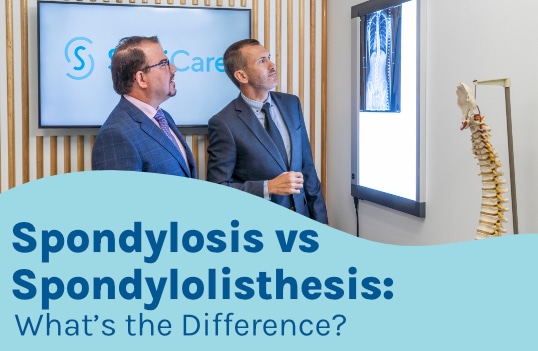
Spondylosis causes age-related spinal degeneration, while spondylolisthesis is a slipped vertebra. Both can affect spinal health, balance, and movement.
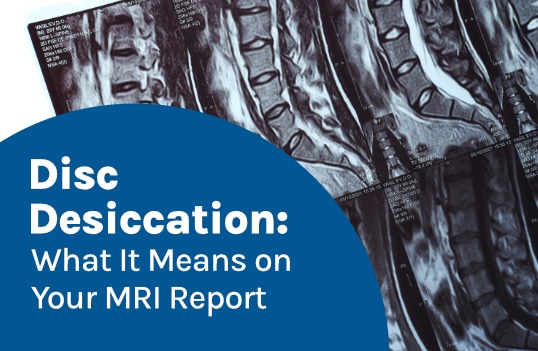
Disc desiccation is age-related disc dehydration visible on MRI. As discs lose water, spinal flexibility and function can decline, contributing to degeneration.
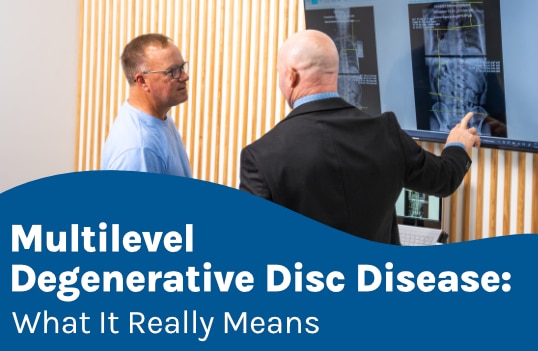
Multilevel degenerative disc disease affects discs in multiple spinal areas, impacting flexibility, stability, and movement. Early care can help manage symptoms.

Nearly 7 million Americans have scoliosis. Knowing the facts and recognizing early signs can lead to timely treatment and better long-term outcomes.
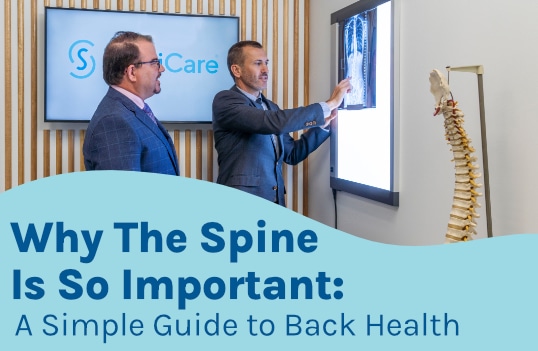
A healthy spine supports posture, movement, and overall wellness. Staying active, maintaining core strength, and a healthy weight help protect spinal health.
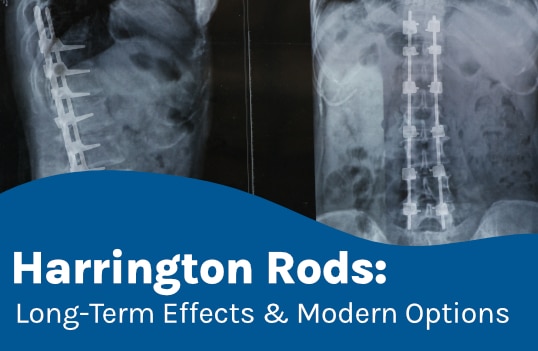
Harrington rods transformed scoliosis surgery, but modern nonsurgical treatments now offer effective alternatives for many patients.
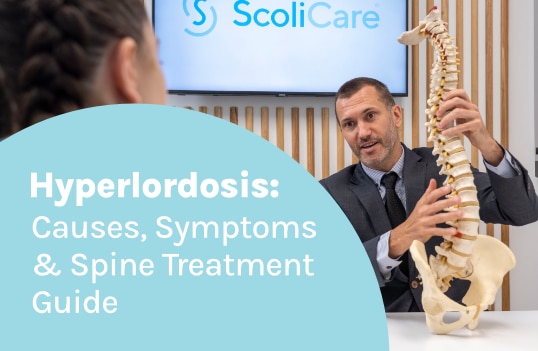
Hyperlordosis, or swayback, is an excessive inward spinal curve that can affect posture, balance, and movement. Early treatment can help restore spinal health.
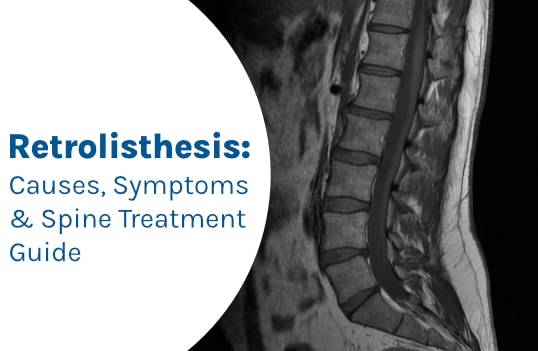
Retrolisthesis is a backward vertebral slip that can affect posture, stability, and nerves. Early diagnosis helps guide effective treatment and symptom relief.

Scoliosis affects millions of people, especially school-aged children. Recognizing the early signs can lead to timely diagnosis and better treatment outcomes.
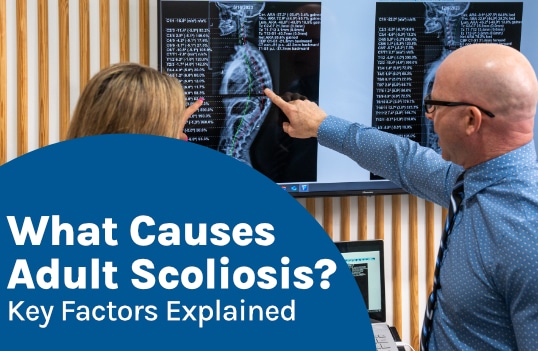
Adult scoliosis can develop from adolescent scoliosis, aging, or neuromuscular conditions. Early care helps manage progression and maintain spinal function.
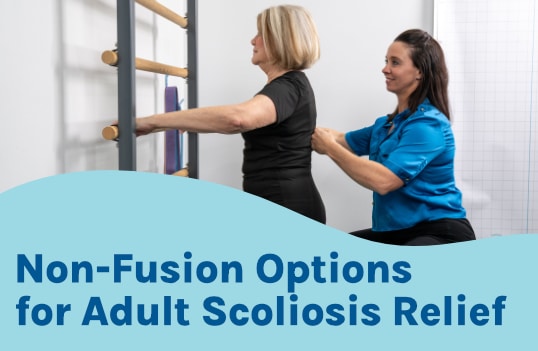
Adult scoliosis may begin in adolescence or develop later in life. Modern nonsurgical treatments can improve function, posture, and quality of life.
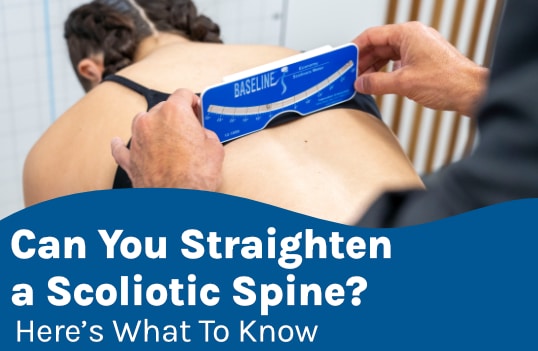
Scoliosis is progressive, but early treatment can improve outcomes. Understanding both nonsurgical and surgical options helps patients make informed care decisions.
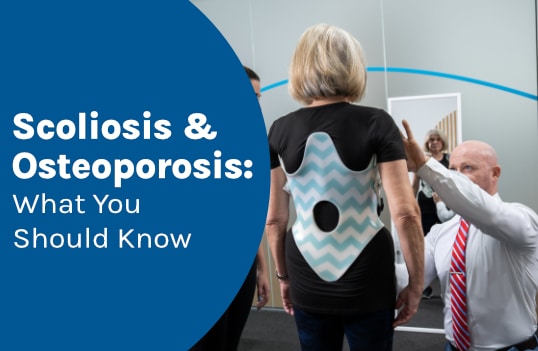
Scoliosis and osteoporosis can occur together, weakening the spine and increasing progression risk. Early diagnosis helps protect long-term spinal health.
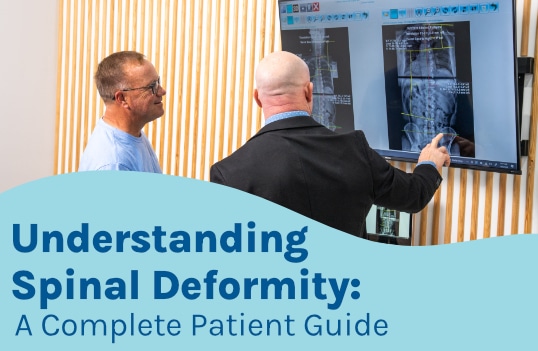
A healthy spine relies on proper alignment and natural curves. Conditions like scoliosis, lordosis, and kyphosis can disrupt posture, balance, and function.

Scoliosis affects more than the spine—it can impact muscles, nerves, posture, and mental health. Early treatment helps reduce progression and complications.
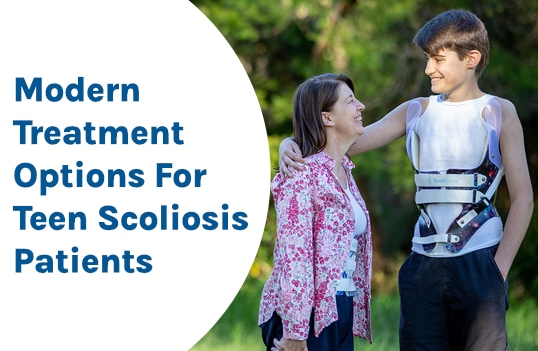
Teen scoliosis responds best to early, proactive care. Modern nonsurgical treatment offers a personalized alternative to spinal fusion for many patients.
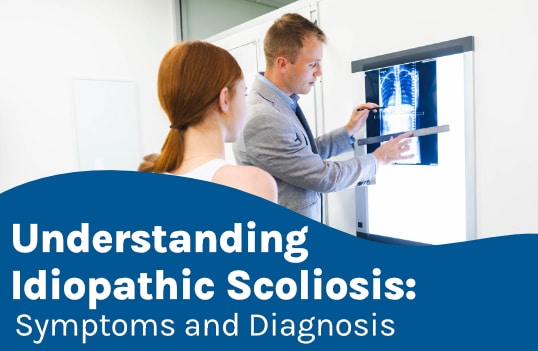
Idiopathic scoliosis is the most common type, especially in adolescents. Early diagnosis during growth can improve treatment outcomes and help prevent progression.
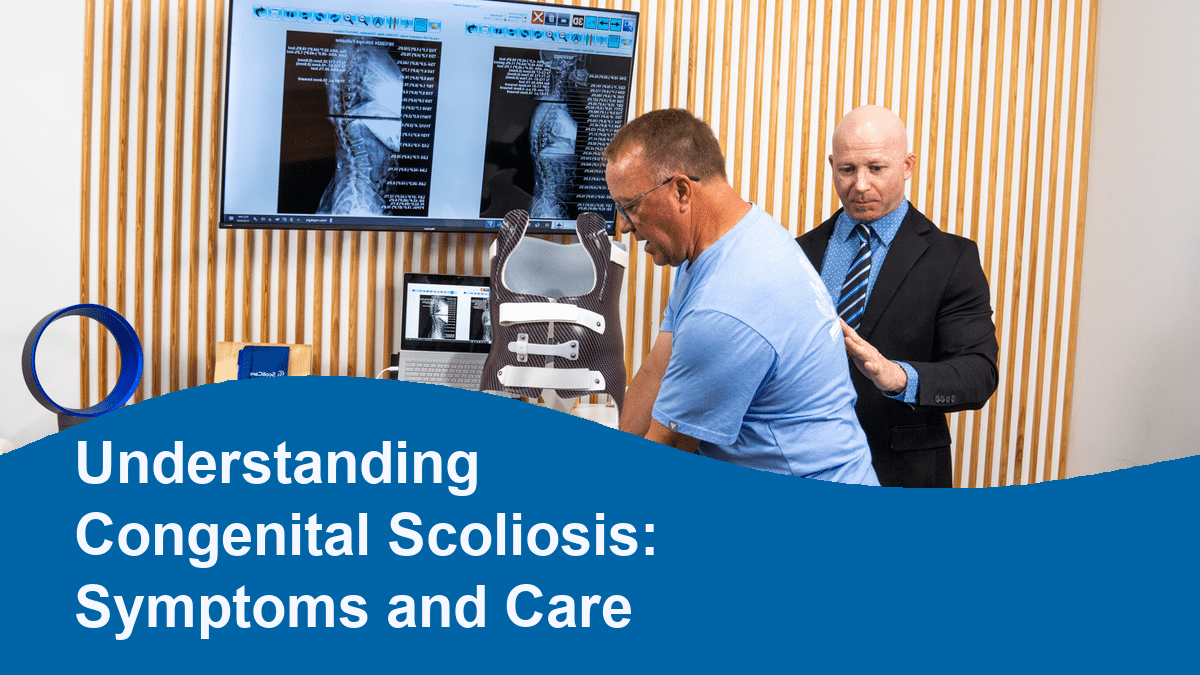
Congenital scoliosis is a rare spinal condition present at birth, caused by vertebral malformations. Early, thorough assessment supports personalized treatment.
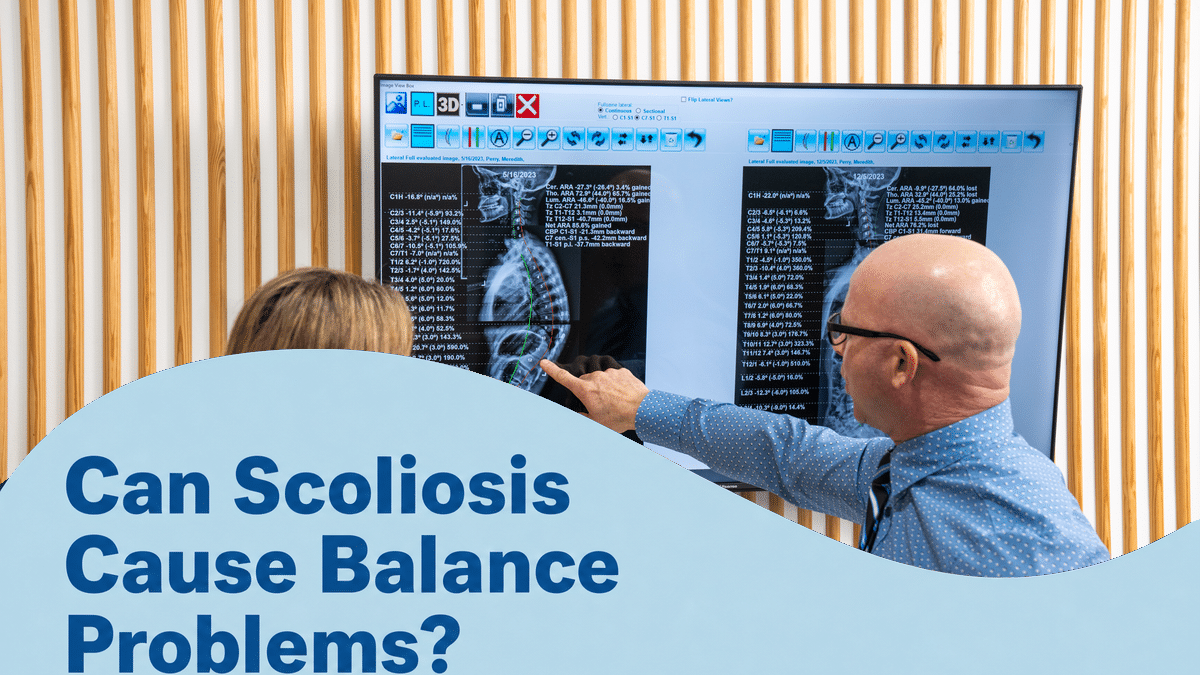
Scoliosis can disrupt posture, balance, and coordination over time. Early, customized treatment helps improve spinal stability and reduce progression.
ScoliCare Clinics, affiliates and product providers are in over 200 locations around the world. Find your nearest ScoliCare location here.