
Do You See Adolescent Patients as Part of Your Practice?
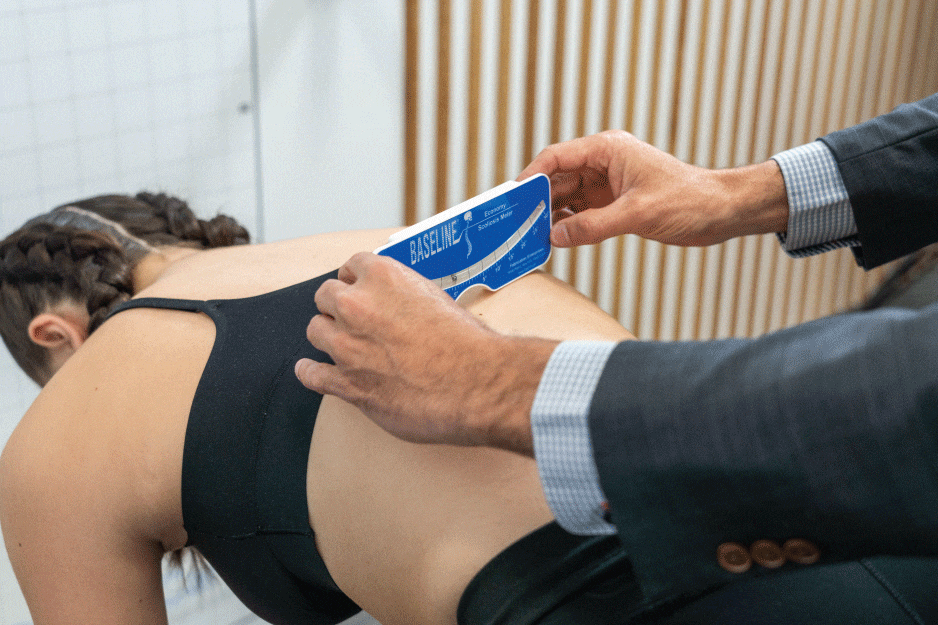
Adolescent Idiopathic Scoliosis (AIS) is a complex condition and affects up to approximately 5% of young people*. It’s likely that no matter your health profession, you will see a patient with scoliosis at some stage in your career.
In this situation, it’s essential that you have some understanding of AIS, to be able to:
- Recognise warning signs, symptoms and red flags
- Screen patients appropriately
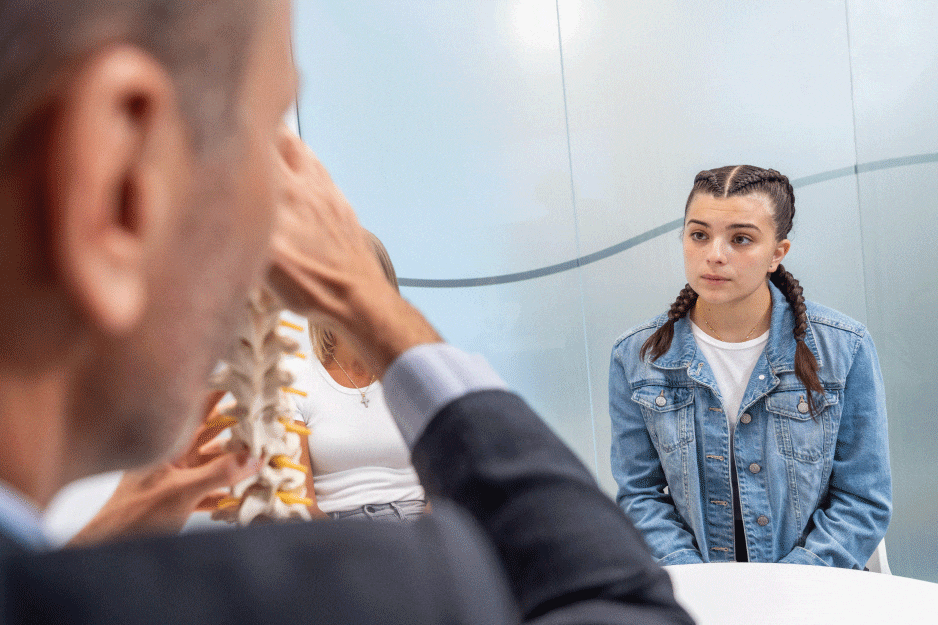
- Discuss findings with patients and caregivers of patients
- Where appropriate, refer the patient for further assessment.
This short introductory course (approx. 2 hours) is designed to improve health and medical professionals’ understanding of adolescent idiopathic scoliosis (AIS), the importance of early identification, screening and referral pathways to ensure patients receive appropriate care.
It is also a good foundation for our Essentials of Scoliosis Management course, which offers a more in-depth approach to understanding scoliosis management in children and adults.
Level: Introductory
Cost: USD $99
Format: The course consists of several online modules, reading, handouts and quizzes. All content should take approximately 2 hours to complete. All material is contemporary, and evidence based. Learners are required to complete all modules in order.
Assessment: Quiz questions in each module will measure important milestones in knowledge (100% pass rate required). Multiple attempts are permitted. Handout notes are provided.
CPD hours: You will receive a certificate of completion at the end of the course confirming that you have completed 2 hours of continuing professional development (Please seek confirmation of your CPD requirements with your accrediting organisation).
Access: Once enrolled you have 3 months (90 days) access to the course.

Delivery Mode:
Content is delivered online via a dedicated learning platform, and available 24/7 for self paced study. Once enrolled you have 3 months access to the course.

Designed For:
Registered members of the health and medical community, including Chiropractors, Osteopaths, Physiotherapists, Exercise Physiologists, Orthotists, GPs and other professionals who see patients with scoliosis or other spinal conditions.

Pre-requisites:
This is an introductory course. There are no pre-requisites for this course other than an interest in learning about the fundamentals of Adolescent Idiopathic Scoliosis.
Key Topics Covered:
- Foundational knowledge of AIS, including definition and prevalence
- The current outlook of early detection in the community, missed diagnoses, and risk factors for curve progression
- Screening procedures and tools for health and medical practitioners
- Diagnostic process, including X-rays and other indicators
- The importance of multidisciplinary care, through understanding the role of healthcare professionals and dedicated scoliosis clinicians
- Treatment options, including current best evidence-based practices
Who Should Enrol?
- May see adolescent (10-18 years old) patients as part of their practice
- Do not specialise in scoliosis but would like to acquire some fundamental knowledge in this area to build confidence in identifying potential cases and understanding referral pathways
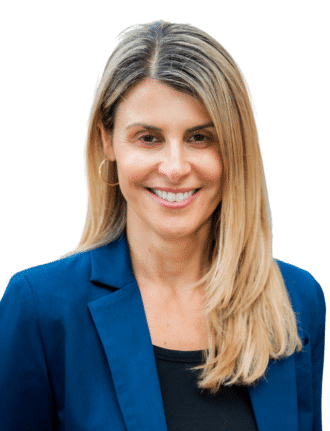
Meet the Instructor – Rose Mirenzi
Chief of Research and Communications, Physiotherapist
Rose manages education, training and research at ScoliCare, is a physiotherapist, speaker, educator, and writer, and has extensive experience in assessing and treating patients with scoliosis. Rose has completed advanced training in scoliosis specific rehabilitation, including Schroth, SEAS, and Lyon methods.
She has also been instrumental in further developing the ScoliBalance concept created over many years by ScoliCare’s CEO, Dr. Jeb McAviney. ScoliBalance is ScoliCare’s physiotherapeutic scoliosis specific exercise program which is followed in ScoliCare clinics and by ScoliBalance Providers worldwide.
Rose is a SOSORT member and a member of the Scoliosis Research Society.
Meet the Instructors
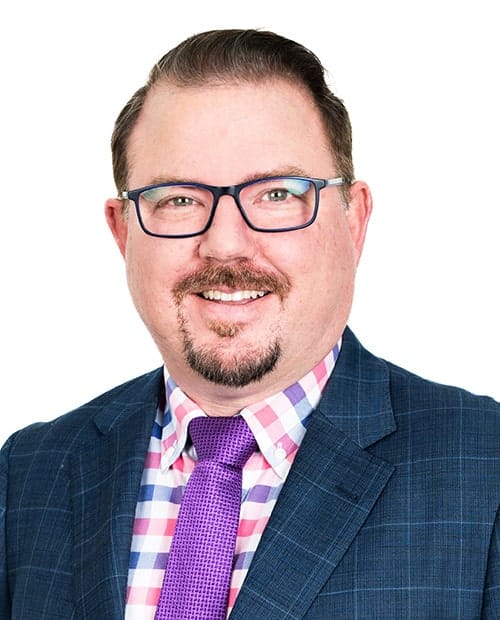
Dr. Jeb McAviney

Dr. Jeb McAviney
CEO, Chiropractor
Dr. McAviney is the CEO of ScoliCare and one of the world’s leading authorities on non-surgical scoliosis treatment.
With a Masters degree in Pain Medicine as well as a Masters degree in Chiropractic, Dr. McAviney brings a wealth of experience in scoliosis treatment, education, and research.
Dr. McAviney oversees all cases and gives guidance to the clinical team. He drives research development initiatives to ensure patients get access to the latest and most evidence based procedures. He is also a Board Member of SOSORT (The International Society on Scoliosis Orthopaedic and Rehabilitation Treatment).
Scoliosis Accreditations:
World Masters Course in Scoliosis Management
Scientific Exercise Approach to Scoliosis (SEAS) Therapist – Level 3, Advanced, Basic
SCHROTH trained
SpineCor Scoliosis Bracing Clinician & Instructor
SpineCor Scoliosis Physiotherapy Instructor
Chiropractic Biophysics Instructor
Neuromechanical Instrument Adjusting Instructor
Advanced Fellow of Chiropractic Biophysics
ScoliBalance Course Creator, Developer and Trainer
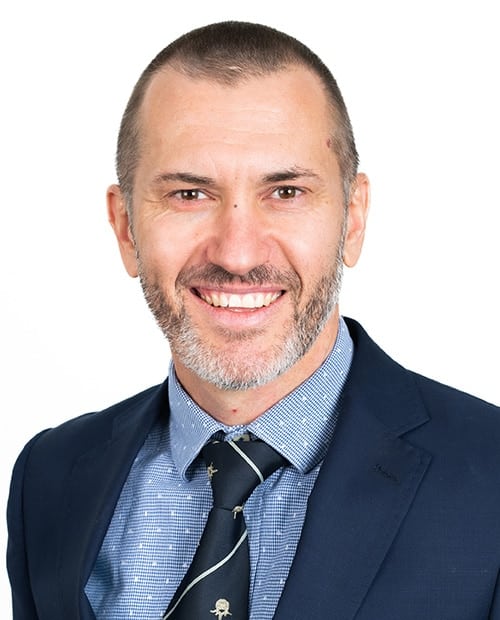
Dr. Juan Du Plessis
Clinical Director, Chiropractor
Dr. Juan Du Plessis
Clinical Director, Chiropractor
Originally from South Africa, with a Masters in Technology of Chiropractic, Dr. Du Plessis has been a clinic director in prestigious healthcare centres in Asia, providing scoliosis rehabilitation and bracing.
He has received advanced training and certification in SpineCor and ScoliBrace bracing protocols and has completed SEAS (Scientific Exercise Approach to Scoliosis) training and accreditation as well as Advanced ScoliBalance training.
Dr. Du Plessis oversees all ScoliCare clinicians.
Scoliosis Accreditations:
World Masters Course in Scoliosis Management
SpineCor Scoliosis Bracing Clinician
Accredited Scientific Exercise Approach to Scoliosis (SEAS) Therapist – Advanced, Basic
Certified ScoliBrace provider
SCHROTH trained
Advanced ScoliBalance Provider
Rose Mirenzi
Chief of Research and Communications, Physiotherapist
Rose Mirenzi
Chief of Research and Communications, Physiotherapist
Rose manages education and training at ScoliCare, is a physiotherapist, speaker, educator, and writer, and has extensive experience in assessing and treating patients with scoliosis.
Rose has been instrumental in further developing the ScoliBalance concept created over many years by ScoliCare’s CEO, Dr. Jeb McAviney. ScoliBalance is ScoliCare’s physiotherapeutic scoliosis specific exercise program which is followed in ScoliCare clinics and by ScoliBalance Providers worldwide. The program was developed with the patient in mind, using the most current evidence based practices and the wealth of experience of the ScoliCare® team, to ensure more patients could access effective treatment.
Rose works with a variety of health professionals internationally to improve the early detection and treatment of patients with scoliosis through education and research. Rose also manages ScoliCare®’s research team, striving towards improving scoliosis research. In 2022 she presented research results at SOSORT’s annual conference in San Sebastian.
Rose has completed advanced training in scoliosis specific rehabilitation, including Schroth, SEAS, and Lyon methods. She is a SOSORT member and currently Chair of the Membership Committee and a member of the Scoliosis Research Society. Rose has travelled the world extensively to connect with world experts in scoliosis.
Accreditations:
B. App Science, Physiotherapy (University of Sydney)
Master of Research (specialising in scoliosis management) (Macquarie University)
World Masters in Scoliosis Management
BSPTS Schroth C2
Lyon Method
Scientific Exercise Approach to Scoliosis (SEAS)
ScoliBalance Course Developer and Trainer
Writing in the Sciences (Stanford University)
- Weinstein S, Dolan, LA., Cheng, JC., Danielsson, A., Morcuende, JA. (2008) Adolescent idiopathic scoliosis. Lancet 371:1527-1537
- Weinstein S, Zavala DC., Ponseti IV. (1983) Idiopathic scoliosis: long-term follow-up and prognosis in untreated patients. . Journal of Bone and Joint Surgery Am 63:702-712
- Weinstein S (1986) Idiopathic scoliosis. Natural history. . Spine (Phila Pa 1976) 11:780-783
- Weinstein S, Dolan, L, Spratt, K., Peterson, K., Spoonamore, M., and Ponseti, I. (2003) Health and function of patients with untreated idiopathic scoliosis: A 50-year natural history study. JAMA 289:559-567. doi: doi:10.1001/jama.289.5.559
- Asher MA, Burton DC (2006) Adolescent idiopathic scoliosis: Natural history and long term treatment effects. Scoliosis 1:2-2. doi: 10.1186/1748-7161-1-2
Ready to Get Started?
Compete the details below to enroll in this course.
Request the Syllabus