
The Hidden Side Effects of Scoliosis on Body & Mind

The Hidden Side Effects of Scoliosis on Body & Mind
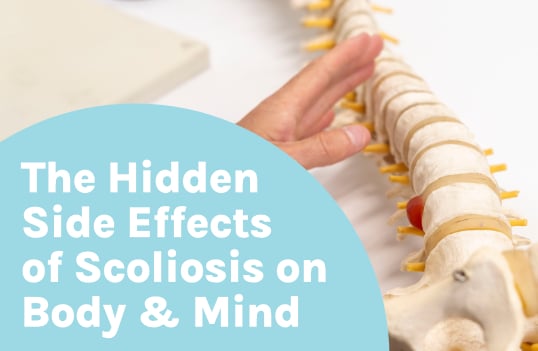
As scoliosis is progressive, its effects can increase over time, becoming more widespread. While many scoliosis effects are visual, less-obvious effects can also develop. It’s not just the spine that’s affected by scoliosis, but also its surrounding muscles and nerves. In addition, mental health can also be affected. Scoliosis causes an unnatural lateral spinal curvature … Read more
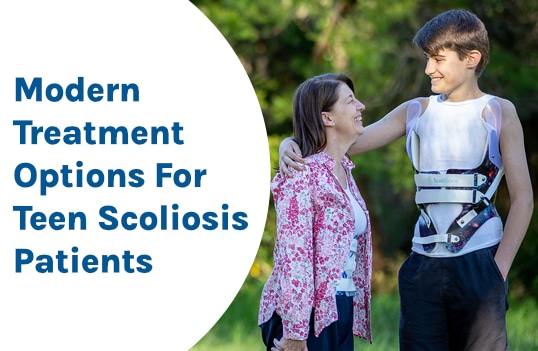
Modern Treatment Options for Teen Scoliosis Patients

Modern Treatment Options for Teen Scoliosis Patients

Modern treatment options for teen scoliosis patients include traditional spinal fusion surgery or conservative nonsurgical treatment. Here at ScoliCare, patients benefit from a proactive and modern nonsurgical approach that offers a less-invasive alternative to spinal surgery. Scoliosis affects all ages, but the most-common type is adolescent idiopathic scoliosis. Modern nonsurgical treatment options are integrative, proactive, … Read more

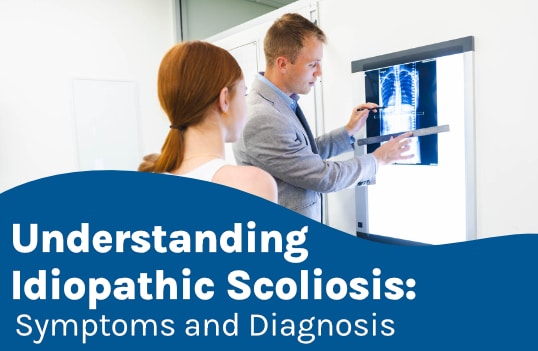
Understanding Idiopathic Scoliosis: Symptoms and Diagnosis

Understanding Idiopathic Scoliosis: Symptoms and Diagnosis

Understanding idiopathic scoliosis and the potential benefits of early diagnosis is crucial, especially for parents. We don’t know what causes the initial onset of idiopathic scoliosis, but we understand the main trigger for progressive scoliosis: growth. Idiopathic scoliosis accounts for the majority of scoliosis cases, has no single-known cause, and is diagnosed through a physical … Read more

Understanding Congenital Scoliosis: Symptoms and Care Options

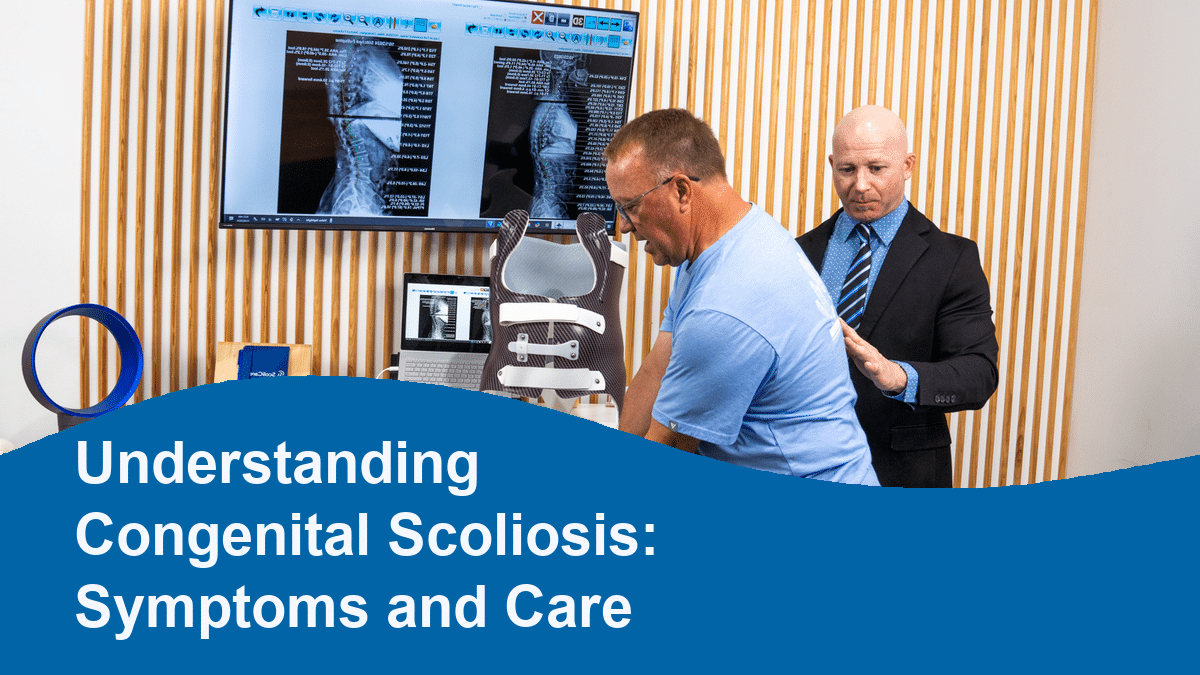
Understanding Congenital Scoliosis: Symptoms and Care Options

Part of diagnosing scoliosis involves further classifying cases based on key variables, and the more thorough and accurate a patient’s initial assessment, the more customized a treatment plan can be. When it comes to congenital scoliosis patients, these cases can present with additional congenital abnormalities so require thorough assessment. Congenital scoliosis is a rare type … Read more

Can Scoliosis Cause Balance Problems? What You Need to Know

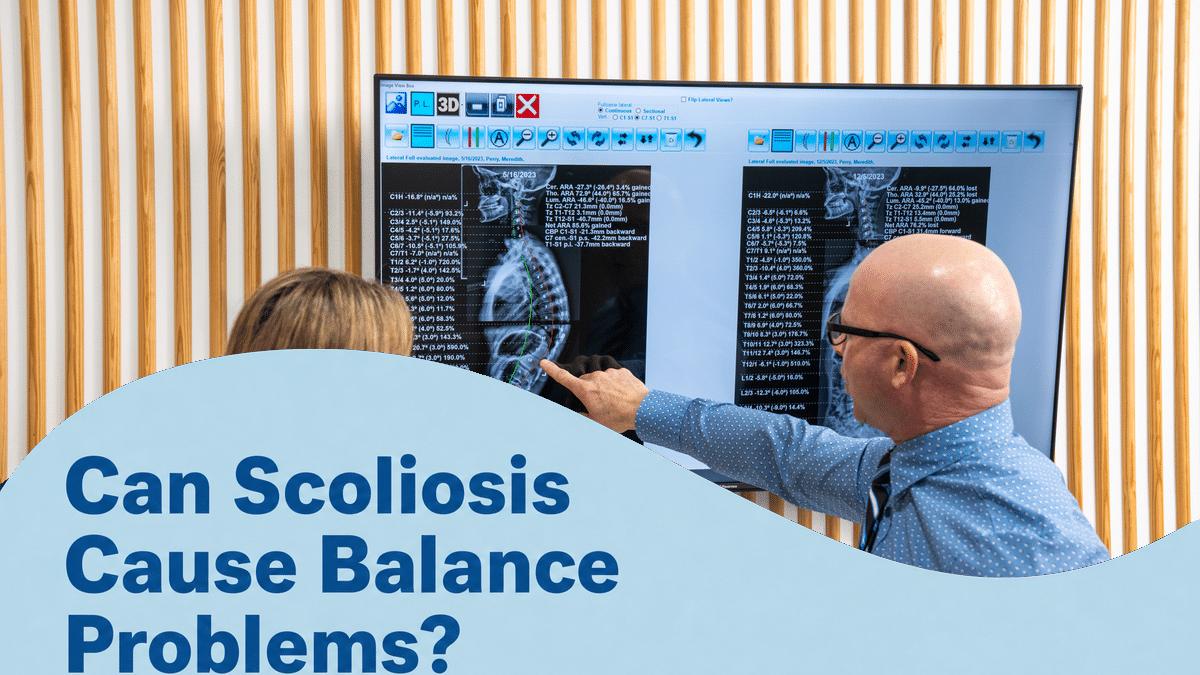
Can Scoliosis Cause Balance Problems? What You Need to Know

What you need to know about scoliosis is that while treatment results can never be guaranteed, many potential effects can be avoided through a proactive and customized treatment plan capable of improving the spine and body’s overall balance and stability. One of the spine’s roles is to facilitate a straight and upright posture. As scoliosis … Read more

Understanding Neuromuscular Scoliosis

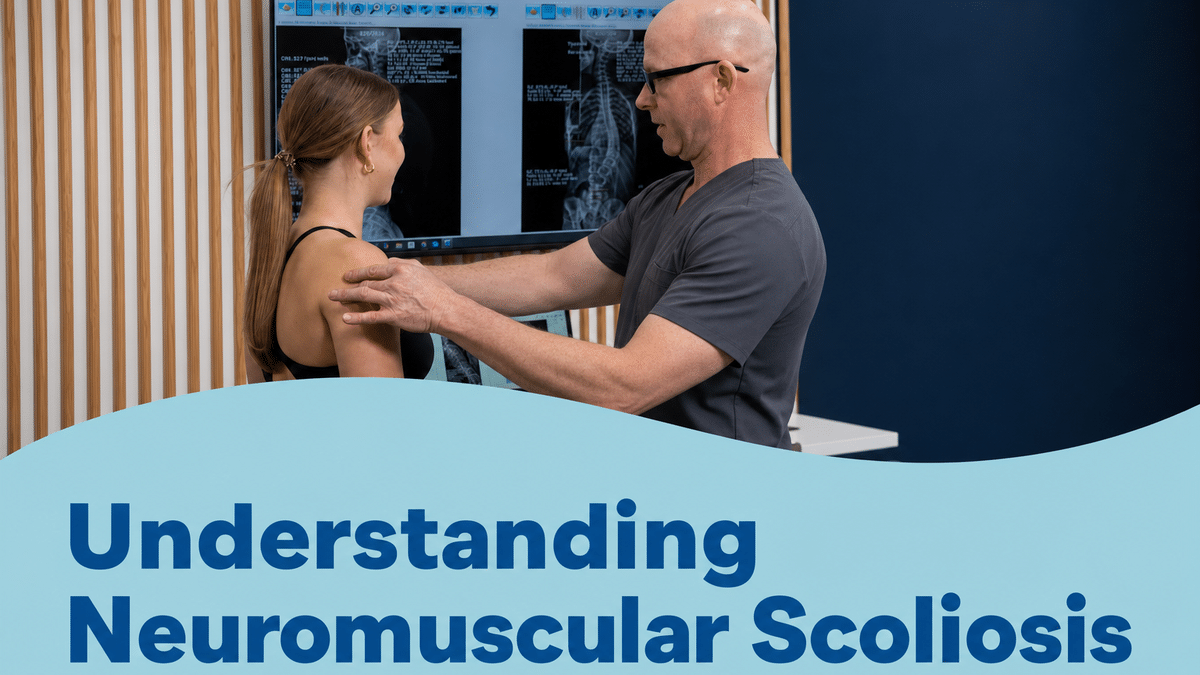
Understanding Neuromuscular Scoliosis

There are a number of factors that shape a patient’s potential experience with scoliosis, one of which is the type of scoliosis, determined by causation. While the most prevalent form of scoliosis has no known cause, there are atypical types, like neuromuscular scoliosis, that are associated with known causes. Neuromuscular scoliosis is caused by the … Read more

Can Scoliosis Be Caused by a Car Accident? Learn More

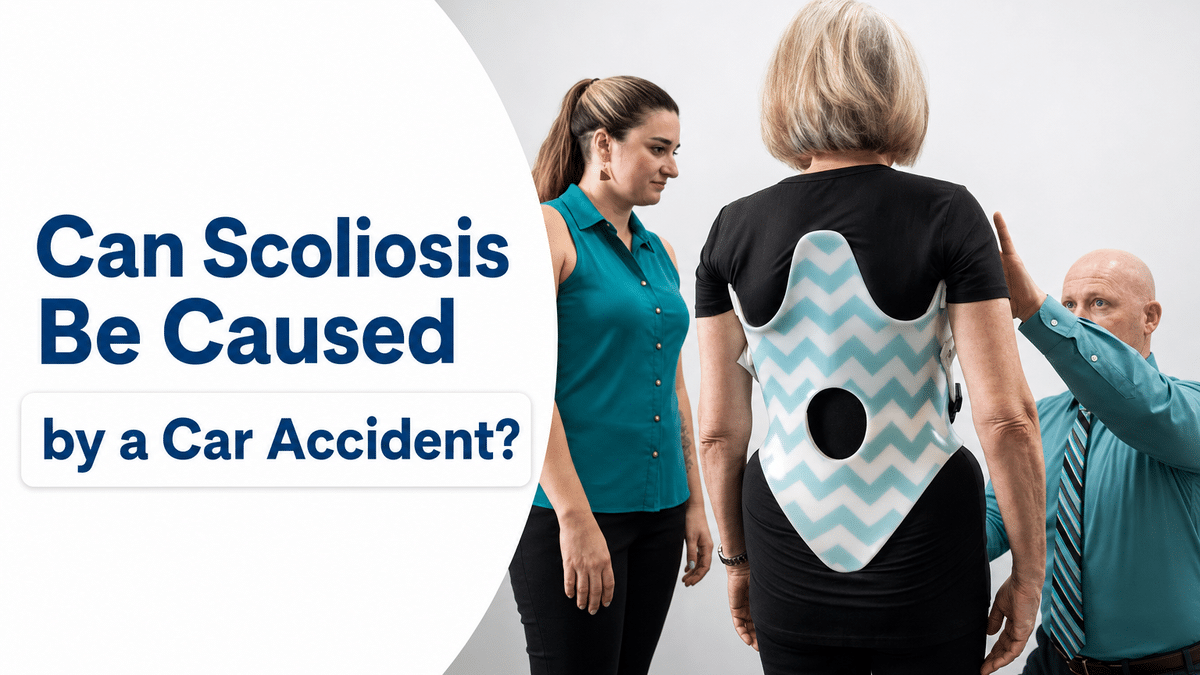
Can Scoliosis Be Caused by a Car Accident? Learn More

There are different types of scoliosis with varying severity levels and causes. While most cases of scoliosis are idiopathic, scoliosis can also be caused by neuromuscular conditions, degenerative instability, and trauma. Traumatic scoliosis develops due to the spine sustaining a significant trauma that impacts its alignment and stability. While it’s more likely that a car … Read more

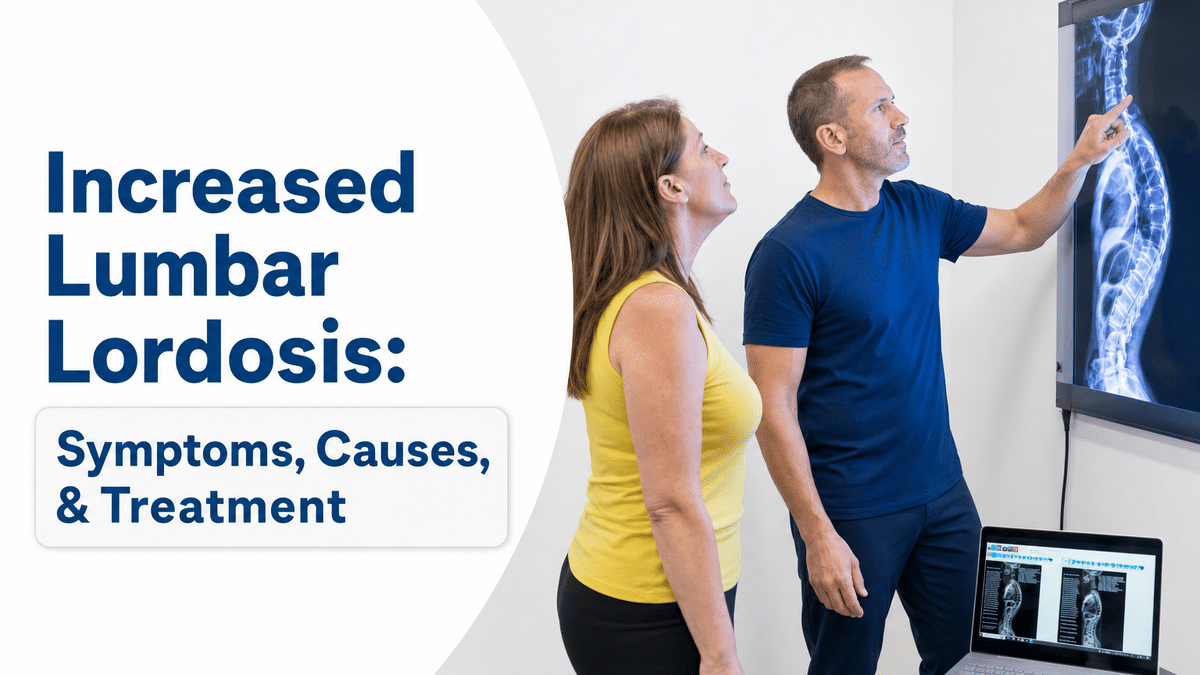
Increased Lumbar Lordosis: Symptoms, Causes, & Treatment

Increased Lumbar Lordosis: Symptoms, Causes, & Treatment

The spine’s healthy curves, when viewed from the side, increase its strength, flexibility, and ability to handle mechanical stress. The spine naturally has an inward curve in the neck (cervical spine) and lower back (lumbar spine) called a lordosis and a more-outward curve in the middle back (thoracic spine). Healthy spinal curves can vary in … Read more

Dowager’s Hump Treatment: Why Posture Fixes Aren’t Enough

Dowager’s Hump Treatment: Why Posture Fixes Aren’t Enough

A Dowager’s hump commonly affects older females and refers to an excessive rounded-forward appearance of the upper back at the base of the neck (hyperkyphosis), referencing the spine’s natural outward curvature (kyphosis) that characterizes the thoracic spine. While postural hyperkyphosis may respond well to postural restoration alone through kyphosis-specific exercise-based treatment, a Dowager’s hump commonly … Read more

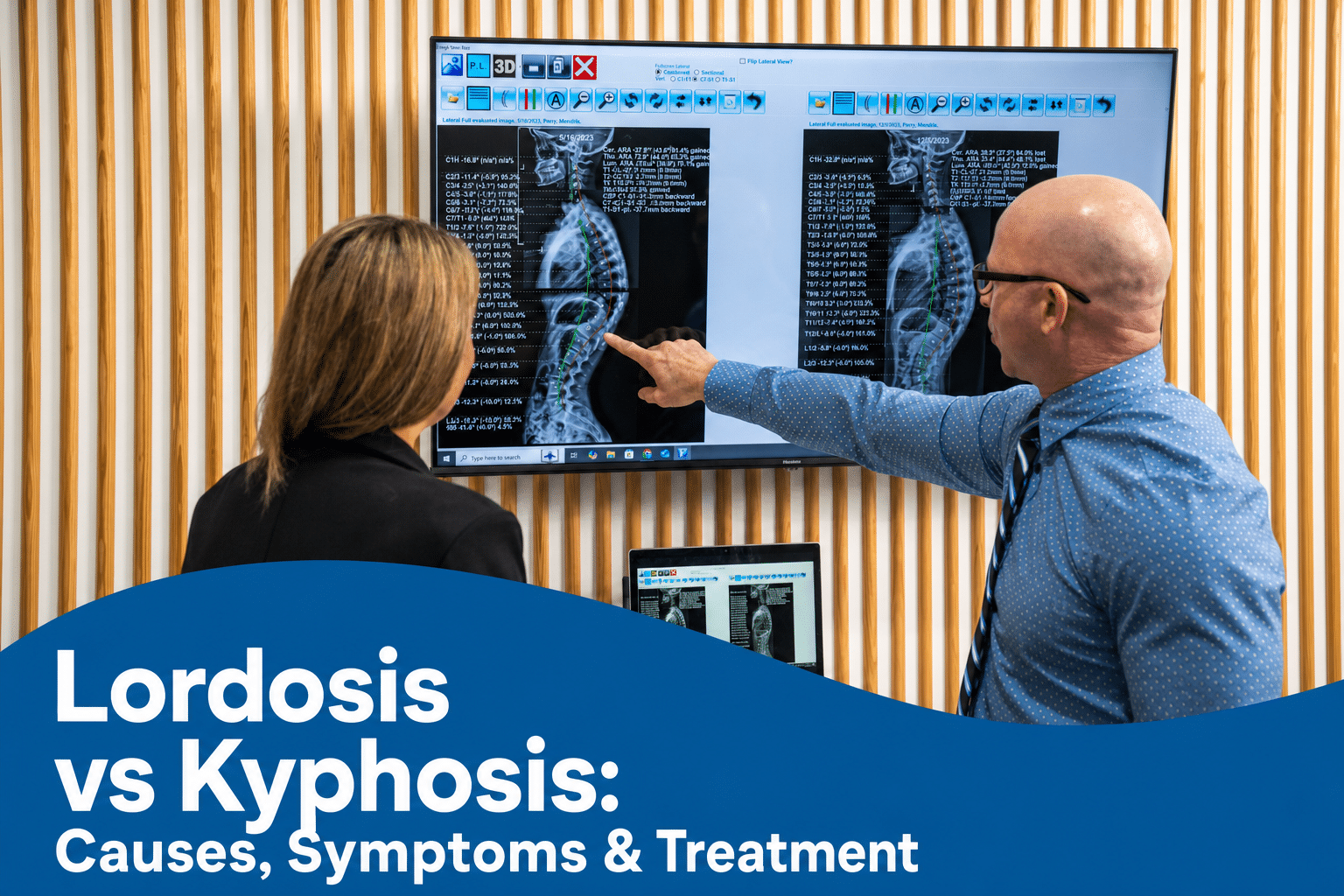
Lordosis vs Kyphosis: Causes, Symptoms & Treatment

Lordosis vs Kyphosis: Causes, Symptoms & Treatment

Lordosis and kyphosis are types of spinal curves, and the spine’s curves can shape overall spinal health. A spine with its natural and healthy curves in place is stronger, more flexible, and better able to handle the stress of daily activity. Lordosis makes the spine curve inward, while kyphosis refers to an outward curvature of … Read more