
Understanding Curvatures of the Spine: Scoliosis

Understanding Curvatures of the Spine: Scoliosis

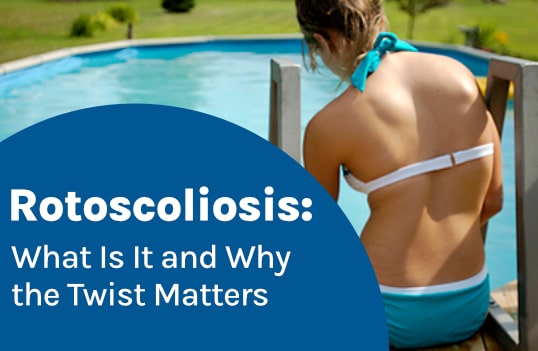
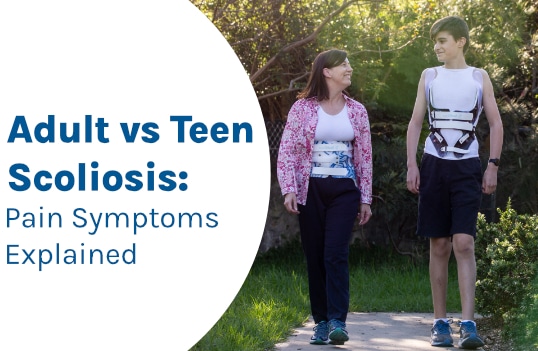
Scoliosis is a condition that affects the spine: an unnatural sideways-bending spinal curvature that rotates develops. As a progressive lateral curvature of the spine, the nature of scoliosis is to increase in severity over time, along with its effects. As spinal health is key to overall health, it can be beneficial to understand how the … Read more

Does Running Make Scoliosis Worse? Key Insights

Does Running Make Scoliosis Worse? Key Insights

Running with scoliosis may be deemed safe for some, safe with modifications for others, or can be restricted. Potential pros of running include the mental health benefits of staying active, improved circulation, weight management, maintaining core strength and muscle balance; potential cons of running with scoliosis can include increasing compression, strain, and risk of injury. … Read more

Scoliosis Self-Care Tips for Everyday Comfort and Relief

Scoliosis Self-Care Tips for Everyday Comfort and Relief

Scoliosis is progressive, so its effects can change and increase over time. While daily self-care strategies are important, the most powerful step a patient can take, in terms of long-term comfort, is to treat the scoliosis proactively. No two cases of scoliosis are the same, so each patient’s experience, symptoms, and everyday needs will vary. … Read more

Scoliosis and Genetics: Exploring the Connection

Scoliosis and Genetics: Exploring the Connection

The connection between scoliosis and genetics isn’t fully clear; the cause does depend on the type in question, and the majority of cases involve idiopathic scoliosis. When the cause is known, it shapes the design of treatment plans. Scoliosis is a progressive unhealthy lateral curvature of the spine. The spine’s healthy curves are important for its … Read more

Understanding Atypical Scoliosis: Types, Causes, and Treatment

Understanding Atypical Scoliosis: Types, Causes, and Treatment

Scoliosis treatment plans need to be customized because there are multiple severity levels, age groups affected, and types of scoliosis. Type is determined by causation, and in most cases, the cause is unknown; known causes include neuromuscular disease, congenital abnormalities, and degenerative instability. Typical scoliosis cases involve the most common form: idiopathic scoliosis with right-bending … Read more

Can Scoliosis Affect Your Heart? Understanding the Risks

Can Scoliosis Affect Your Heart? Understanding the Risks

The most common symptoms of scoliosis include asymmetrical posture and back pain. Postural changes are the earliest signs of childhood scoliosis, and it’s most often back and radiating pain that leads to an adult’s diagnosis. Cases most likely to impact cardiac function are severe and/or atypical types of scoliosis. Scoliosis mainly affects the spine, but … Read more

Scoliosis and Breathing Problems: Causes and Symptoms

Scoliosis and Breathing Problems: Causes and Symptoms

Scoliosis can affect people differently, but common symptoms involve postural and mobility changes, and pain. Breathing problems aren’t common in mild and moderate cases and are more closely associated with severe cases; preventing increasing symptom severity is a benefit of proactive treatment. Scoliosis develops in the spine, but its effects can be widespread, particularly if … Read more

Structural vs Functional Scoliosis: Key Differences

Structural vs Functional Scoliosis: Key Differences

There are a number of conditions that affect the spine by causing an unnatural spinal curve to develop, but scoliosis has a number of unique characteristics. In order to be diagnosed as structural scoliosis, the spine has to bend unnaturally to the side and rotate, making it 3-dimensional. If the spine’s unnatural curve is nonstructural … Read more

Structural vs Functional Scoliosis: Key Differences

Structural vs Functional Scoliosis: Key Differences

There are a number of conditions that affect the spine by causing an unnatural spinal curve to develop, but scoliosis has a number of unique characteristics. In order to be diagnosed as structural scoliosis, the spine has to bend unnaturally to the side and rotate, making it 3-dimensional. If the spine’s unnatural curve is nonstructural … Read more

Thoracic Kyphosis: Normal, Hyperkyphosis & Hypokyphosis

Thoracic Kyphosis: Normal, Hyperkyphosis & Hypokyphosis

As the body’s main structural support, the spine plays a number of key roles in overall health. For healthy movement patterns and posture to protecting important organs and the spinal cord within, the spine’s healthy curves are key. Kyphosis is a type of spinal curvature that curves outwards in a reverse C-shape, when viewed from … Read more