

Scoliosis
Auto Added by WPeMatico
Can You Sleep With a Back Brace On? What to Know
Can You Sleep With a Back Brace On? What to Know
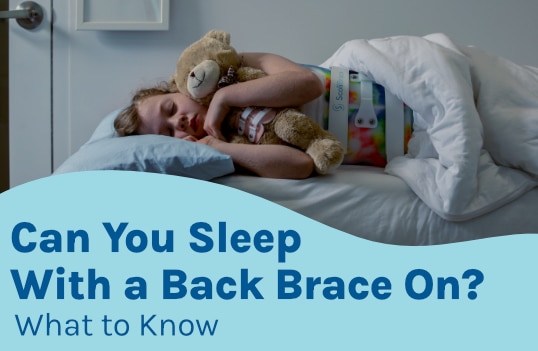
Scoliosis bracing can play a key role in the treatment of early childhood, adolescent, and adult scoliosis, and when combined with the power of a scoliosis-specific rehabilitative exercise plan, the corrective potential of bracing increases. No two cases of scoliosis are the same, which is why the customization of treatment plans is so important. The … Read more
Scoliosis After 60: What Seniors Should Know
Scoliosis After 60: What Seniors Should Know
Scoliosis is most commonly diagnosed in adolescents but can affect all ages, including older adults. In fact, the actual rate of scoliosis increases among the aging population due to the prevalence of degenerative scoliosis: caused by age-related degenerative changes in the spine. Seniors recently diagnosed need to understand that progression is likely and degenerative instability … Read more
Adam’s Forward Bend Test Explained: How It Detects Scoliosis
Adam’s Forward Bend Test Explained: How It Detects Scoliosis
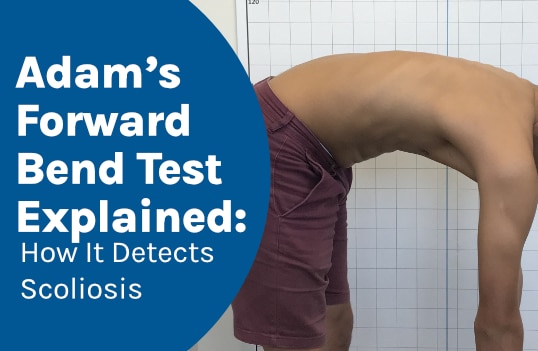
Scoliosis can be difficult to notice early, especially when changes are subtle. That is why knowing the common signs and arranging a necessary professional assessment can be important. Early assessment can help determine whether monitoring, imaging, or treatment is needed. The Adam’s forward bend test is a simple scoliosis screening test where a clinician looks … Read more
The 4 Main Types of Scoliosis (and What They Mean)
The 4 Main Types of Scoliosis (and What They Mean)
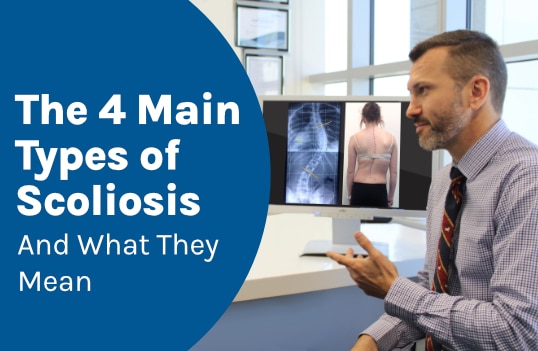
Part of diagnosing scoliosis includes comprehensive assessment to further classify cases by patient age, curve location, severity, and type. The accuracy of a patient’s initial assessment directs treatment recommendations, so a knowledgeable, experienced team of scoliosis Clinicians diagnosing and treating scoliosis is key. The 4 main types of scoliosis are idiopathic scoliosis, degenerative scoliosis, neuromuscular … Read more
Risser Stage and Scoliosis Progression Risk
Risser Stage and Scoliosis Progression Risk
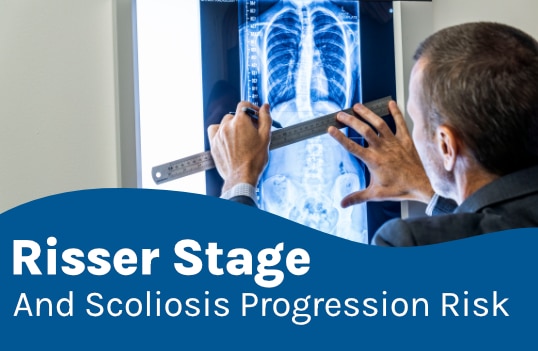
Part of the focus of childhood scoliosis treatment is counteracting progression. Growth is the main trigger for progression, so how scoliosis is managed during periods of rapid growth is key. Adolescents are the most at risk for rapid curve progression due to the rapid and unpredictable nature of pubescent growth spurts. The Risser stage is … Read more
Weight Training With Scoliosis: Is It Safe?
Weight Training With Scoliosis: Is It Safe?
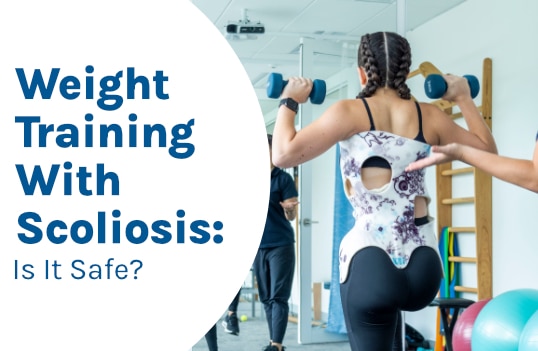
No weight lifting should be attempted before having the activity cleared by a patient’s scoliosis treatment provider. The more severe a patient’s scoliosis, the more caution may be needed when approaching strenuous exercise and strength training. For many scoliosis patients, the potential benefits of weight training outweigh the potential risks. Cases of scoliosis can vary … Read more
Thoracic Scoliosis: Causes, Symptoms & Treatment
Thoracic Scoliosis: Causes, Symptoms & Treatment
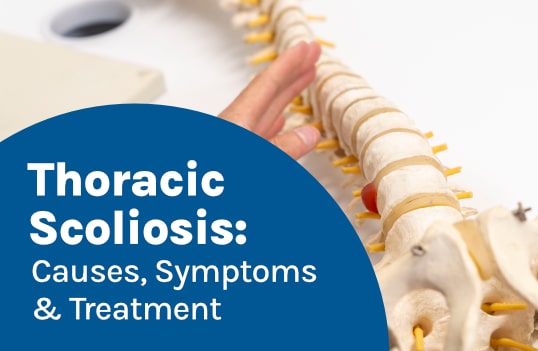
There are many different types of scoliosis with unique causes, symptoms, rates of progression, and treatment needs. Scoliosis causes the spine to develop an unnatural sideways curvature that also rotates, and it most commonly develops in the thoracic spinal section as thoracic scoliosis. Thoracic scoliosis develops in the largest spinal section and is the most … Read more
Does Mild Scoliosis Cause Pain? Key Factors Explained
Does Mild Scoliosis Cause Pain? Key Factors Explained
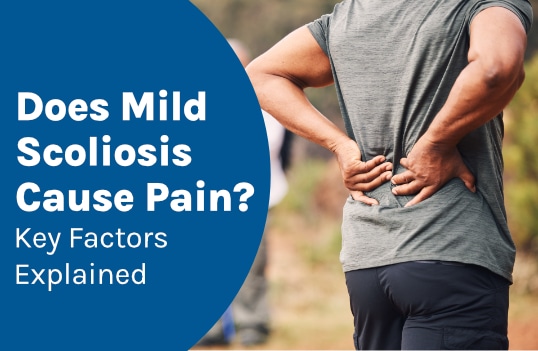
Diagnosing scoliosis should include a comprehensive assessment that determines a number of key scoliosis/patient variables. Scoliosis pain can involve the back, radiating pain, the spine’s surrounding muscles and supportive structures. Mild scoliosis is less likely to be painful than cases of moderate and severe scoliosis. Not all scoliosis patients experience pain, especially in mild cases … Read more
Can Scoliosis Affect the Heart? What to Watch For
Can Scoliosis Affect the Heart? What to Watch For
Scoliosis symptoms can vary widely and are shaped by a number of factors. While cardiac issues aren’t considered a primary effect of scoliosis, they can develop in severe and/or untreated cases. Scoliosis effects increase alongside progression, so the goal is early detection and intervention. The heart is most likely to be affected in severe cases … Read more