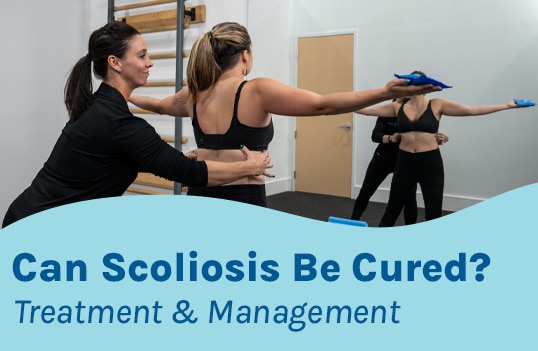
Can Scoliosis Be Cured? Treatment & Management
Can Scoliosis Be Cured? Treatment & Management
Adolescents face rapid scoliosis progression during growth. Early, customized, nonsurgical treatment can help realign the spine and prevent worsening.
Adolescents face rapid scoliosis progression during growth. Early, customized, nonsurgical treatment can help realign the spine and prevent worsening.
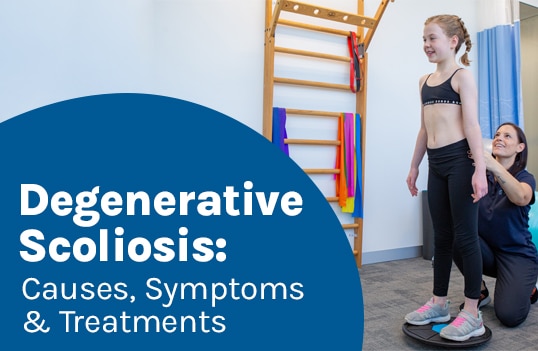
Degenerative scoliosis in older adults is painful and progressive—caused by spinal wear, it affects balance, posture, and needs proactive treatment.
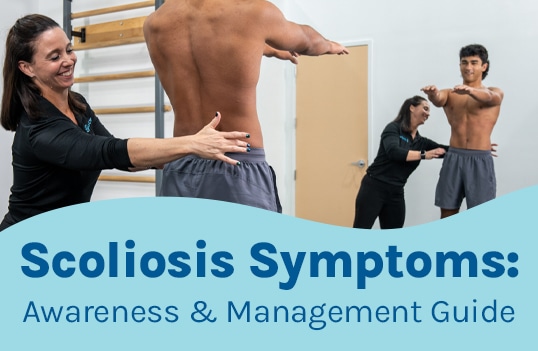
Scoliosis is best managed with early, proactive care—watch for uneven shoulders or hips, as these early signs can lead to timely diagnosis and effective treatment.
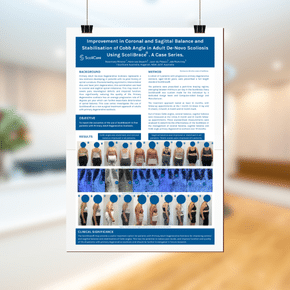
A recent case series, co-authored by ScoliCare’s Chief of Research and Communications, Rose Mirenzi, along with Nora-Lee Doueihi, Juan du …
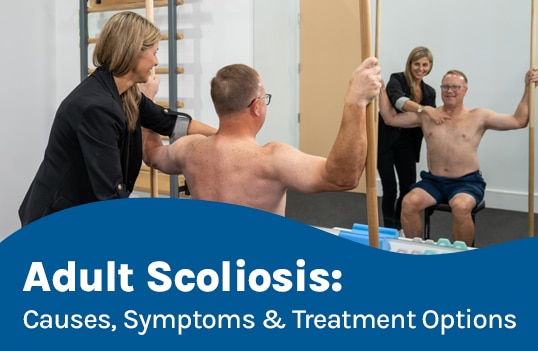
Scoliosis can affect adults too—whether ongoing or new, it’s often painful. Treatment focuses on fall prevention and restoring spinal balance.
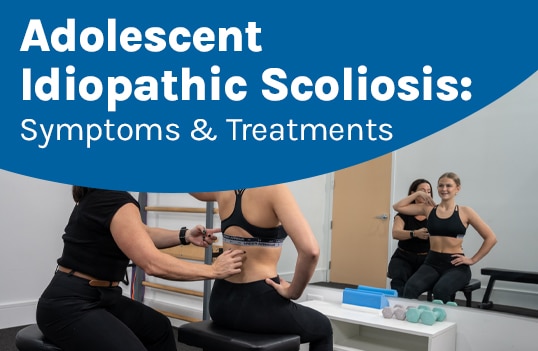
Adolescent Idiopathic Scoliosis (AIS) often develops silently during growth spurts—early diagnosis while curves are mild boosts the chance of successful, proactive treatment.
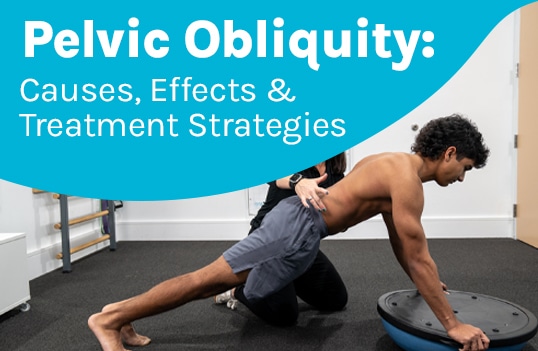
Pelvic obliquity, or an uneven tilt of the pelvis, disrupts balance and posture—often caused by leg length differences, it can lead to pain and mobility challenges.
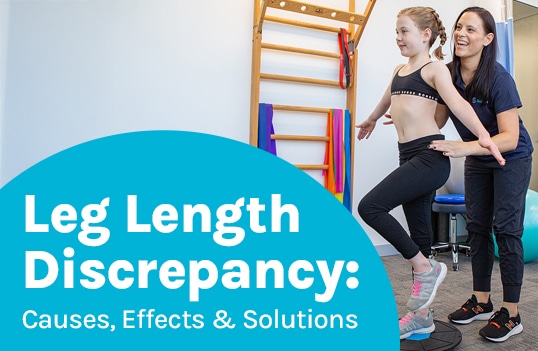
Leg length discrepancy (LLD) disrupts the body’s natural symmetry and can affect posture and movement. Whether structural or functional, proper diagnosis guides treatment.
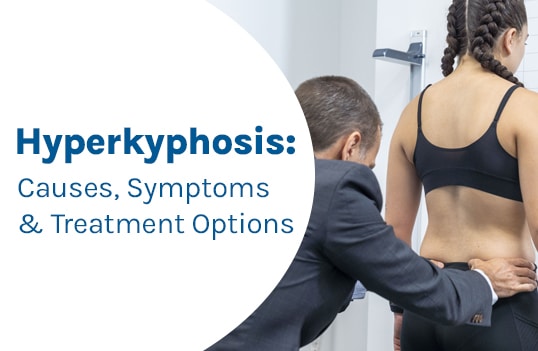
The spine’s natural curves enhance strength and flexibility—but when curves become excessive, like in hyperkyphosis, problems can arise. Early detection is key.
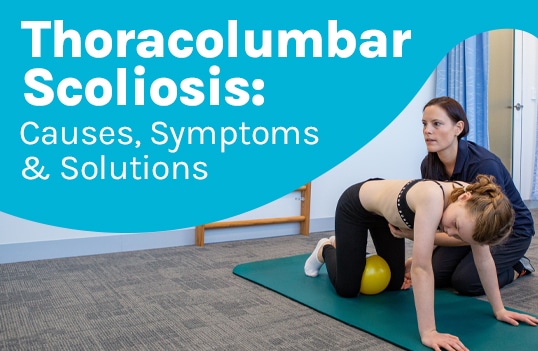
Thoracolumbar scoliosis affects both the mid and lower spine—its unique curve location requires a tailored diagnosis and treatment plan for optimal spinal health.
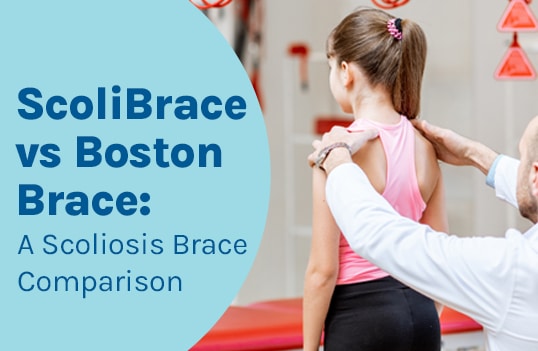
Bracing has evolved—unlike the 2D Boston Brace, the ScoliBrace® targets scoliosis in 3D, aiming to improve posture and spinal alignment more effectively.
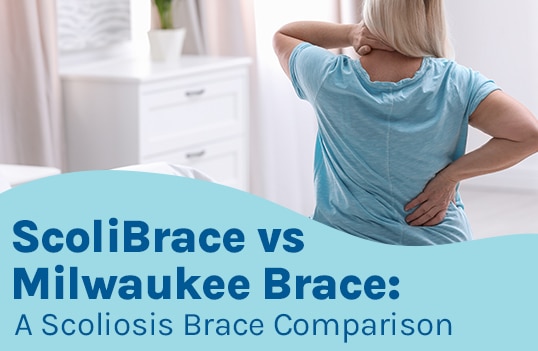
Understanding brace options is key—while the Milwaukee brace aims to immobilize, the modern ScoliBrace® uses 3D correction to actively reshape posture and the spine.

Scoliosis is a lifelong, progressive condition—age and growth impact how fast it worsens, so early, ongoing treatment is key to managing its progression.

Exercise can help scoliosis when done right—but some moves may worsen the condition. Always follow expert guidance and avoid activities that strain the spine.
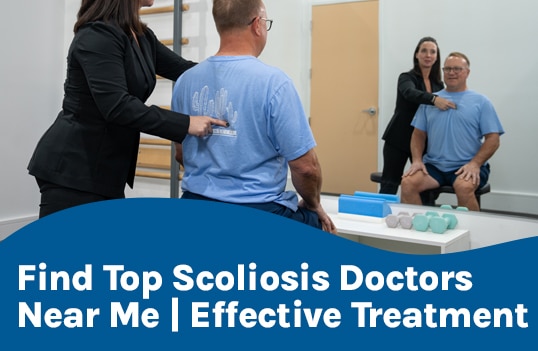
A scoliosis diagnosis can feel overwhelming, but finding the right care team and choosing a proactive, patient-focused treatment plan makes all the difference.

Scoliosis in adults 65+ is often painful and progressive—early care can improve balance, stability, and reduce fall risk caused by spinal degeneration.

While the exact cause of idiopathic scoliosis remains unknown, genetics may play a role—early, proactive treatment is key to managing the condition effectively.
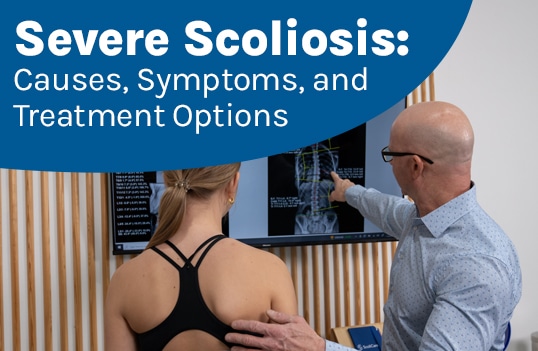
What patients need to understand about severe scoliosis is that it doesn’t start that way; as a progressive condition, scoliosis …
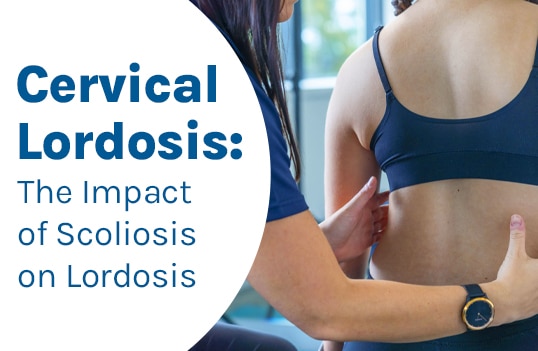
The spine’s healthy curves are key to its overall health and function, and the spine has three main sections including …
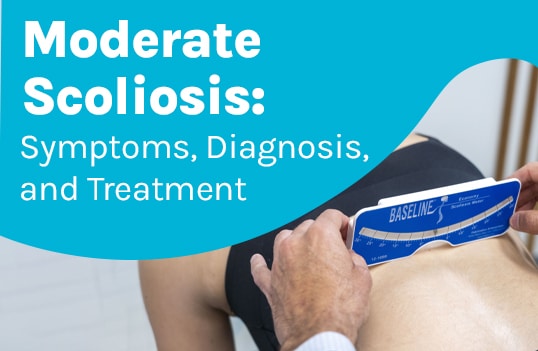
Scoliosis ranges in severity from mild to moderate and severe; it’s important to understand the different scoliosis severity levels because, …
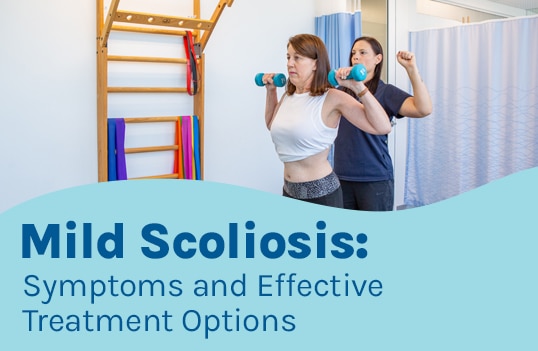
The most important thing to understand about mild scoliosis is that in most cases, proactive treatment efforts have to be …
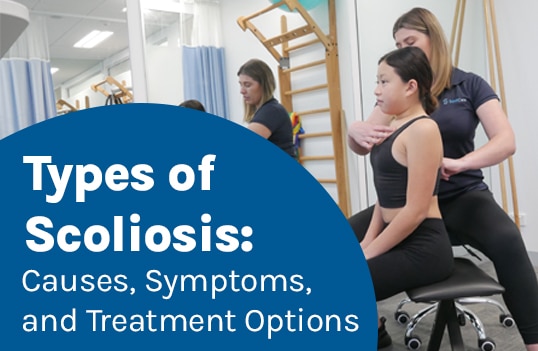
Scoliosis can be highly responsive to treatment, particularly when conditions are diagnosed and treated early. The different types of scoliosis …
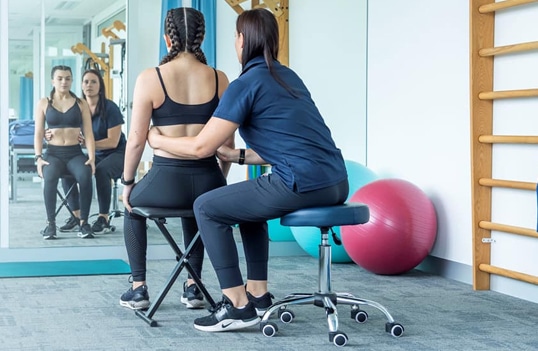
ScoliBalance® is more than just a set of exercises—it’s a strategic, research-backed system designed to address scoliosis and hyperkyphosis with …
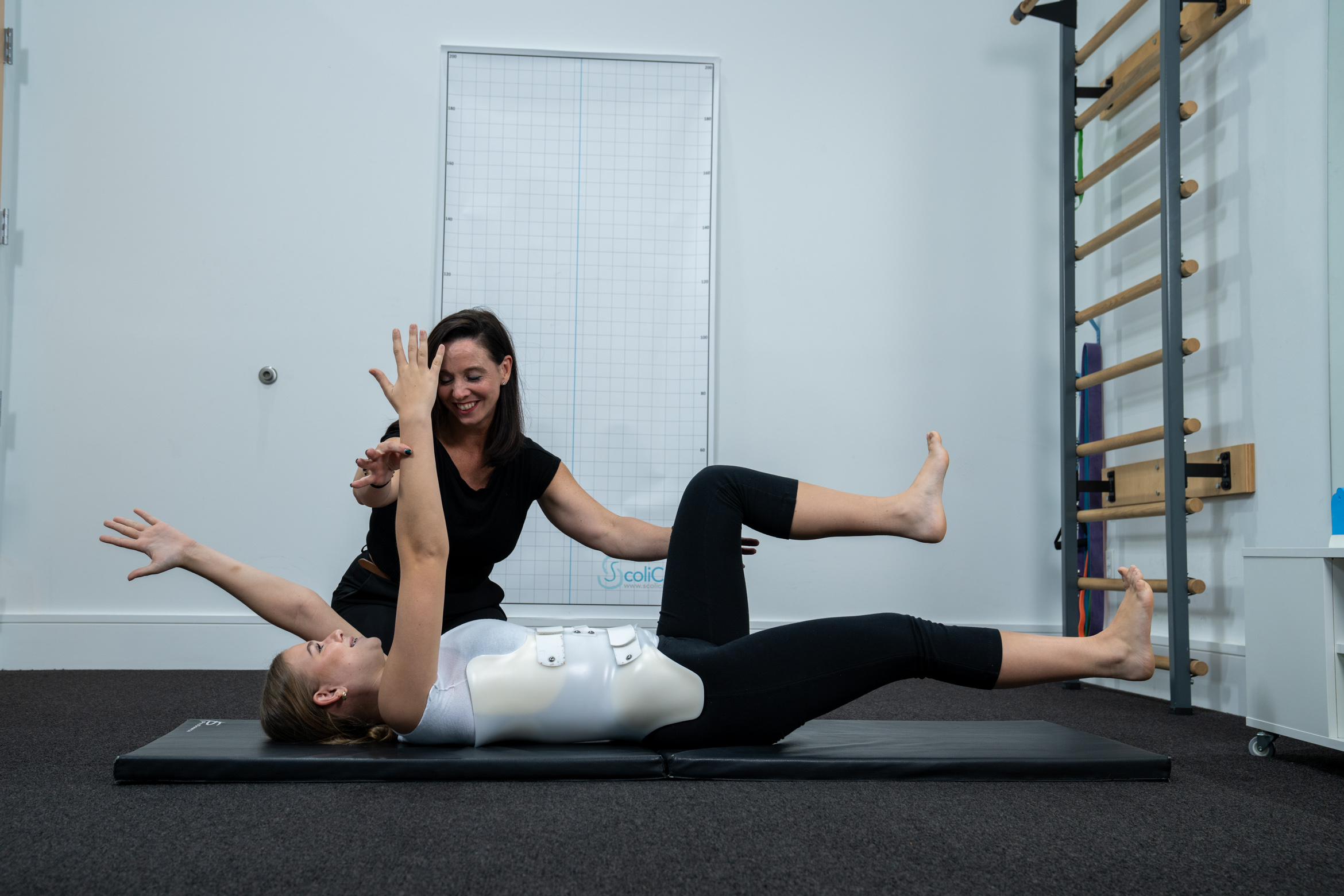
When it comes to managing scoliosis, a condition marked by an abnormal spinal curve, a one-dimensional approach often falls short. …
ScoliCare Clinics, affiliates and product providers are in over 200 locations around the world. Find your nearest ScoliCare location here.