

Adult Scoliosis
Adult scoliosis can affect a wide variety of individuals, including those who may have had scoliosis since adolescence, or those who have developed it later in life.
About Adult Scoliosis
- Scoliosis is often thought of as a condition that only affects teenagers. In fact, scoliosis can develop at any time. There are two main types of adult scoliosis. Pre-existing (usually adolescent scoliosis), which becomes known as Adolescent Scoliosis in Adult (ASA); and the development of a new scoliosis, usually as a result of spinal degeneration. This is known as Degenerative De-Novo Scoliosis (DDS).
- Adults with ASA may or may not have previously been diagnosed with adolescent scoliosis. ASA may be progressive or stable, depending on the individual case.
- In those with a previous diagnosis of AIS, monitoring progression is as easy as comparison of current X-rays to adolescent X-rays. In those where the scoliosis is discovered in adulthood, determining if the scoliosis is a pre-existing adolescent condition or a new onset of degenerative scoliosis can be difficult.
- Degenerative De-Novo Scoliosis usually develops in middle aged and older adults and is typically seen starting around 45 years of age onwards. Because DDS is a result of degenerative instability, it is almost always progressive. However the main complaint usually associated with DDS is lower back pain.
- Fortunately, treatments such as custom bracing and scoliosis specific exercise rehabiliation offer options for patients with adult scoliosis.

Common Signs of Adult Scoliosis
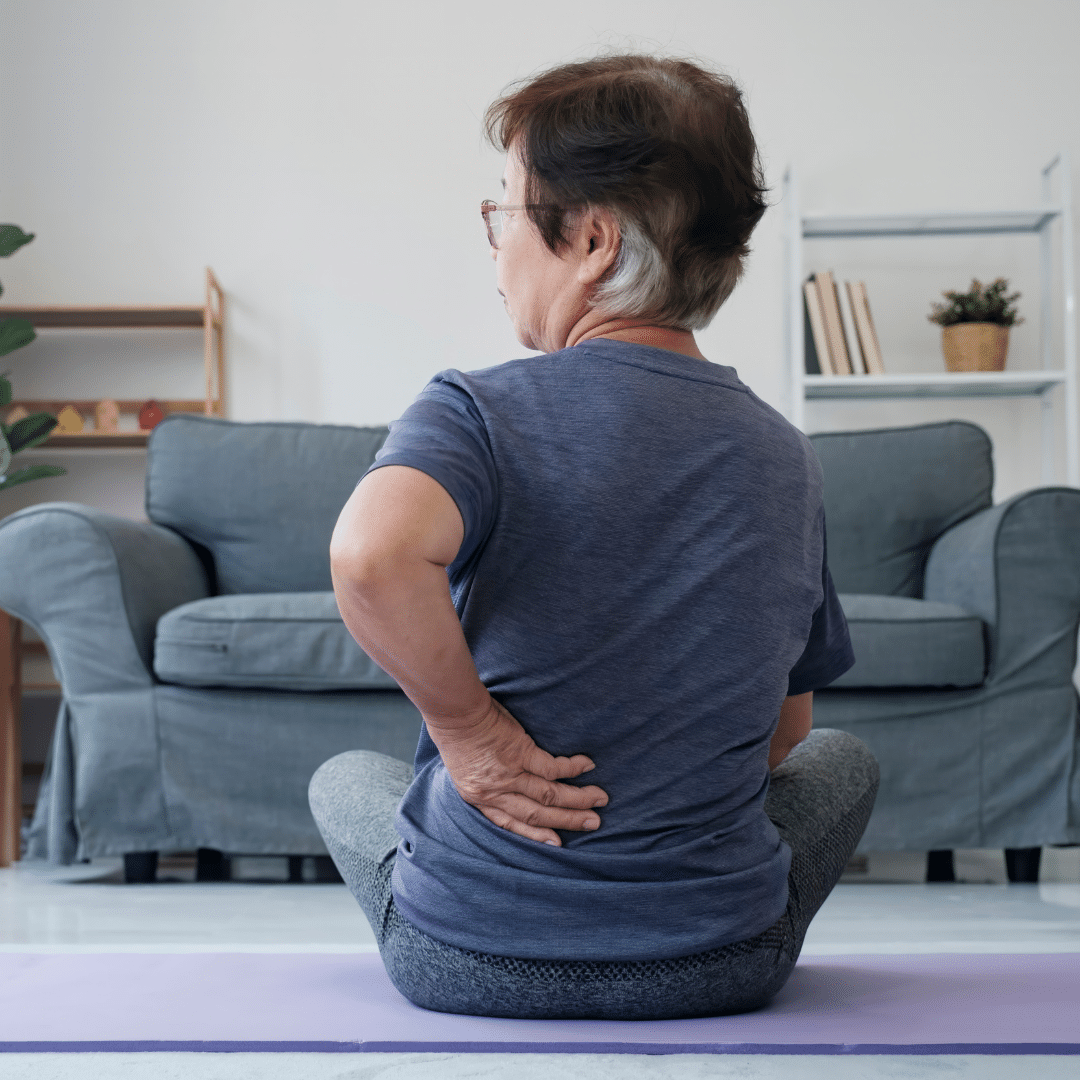
- Pain (related to the curve itself or the compression of the spinal nerves)
- Postural changes/collapse including a forward lean or hunch
- Significant loss of standing or sitting height
- Impact on movement and quality of life
Pain and Adult Scoliosis
There are Two Key Factors Related to Pain in Adults:
- Location of the curve. Almost all complaints of pain in adult scoliosis are of lower back pain. The majority of new DDS curve are lower back curves. It is rare for a single curve in the upper spine to cause lower back pain. However in some cases patients with ASA who have an “S” shaped curve, the bottom half of the curve in the lower back may cause pain as an adult.
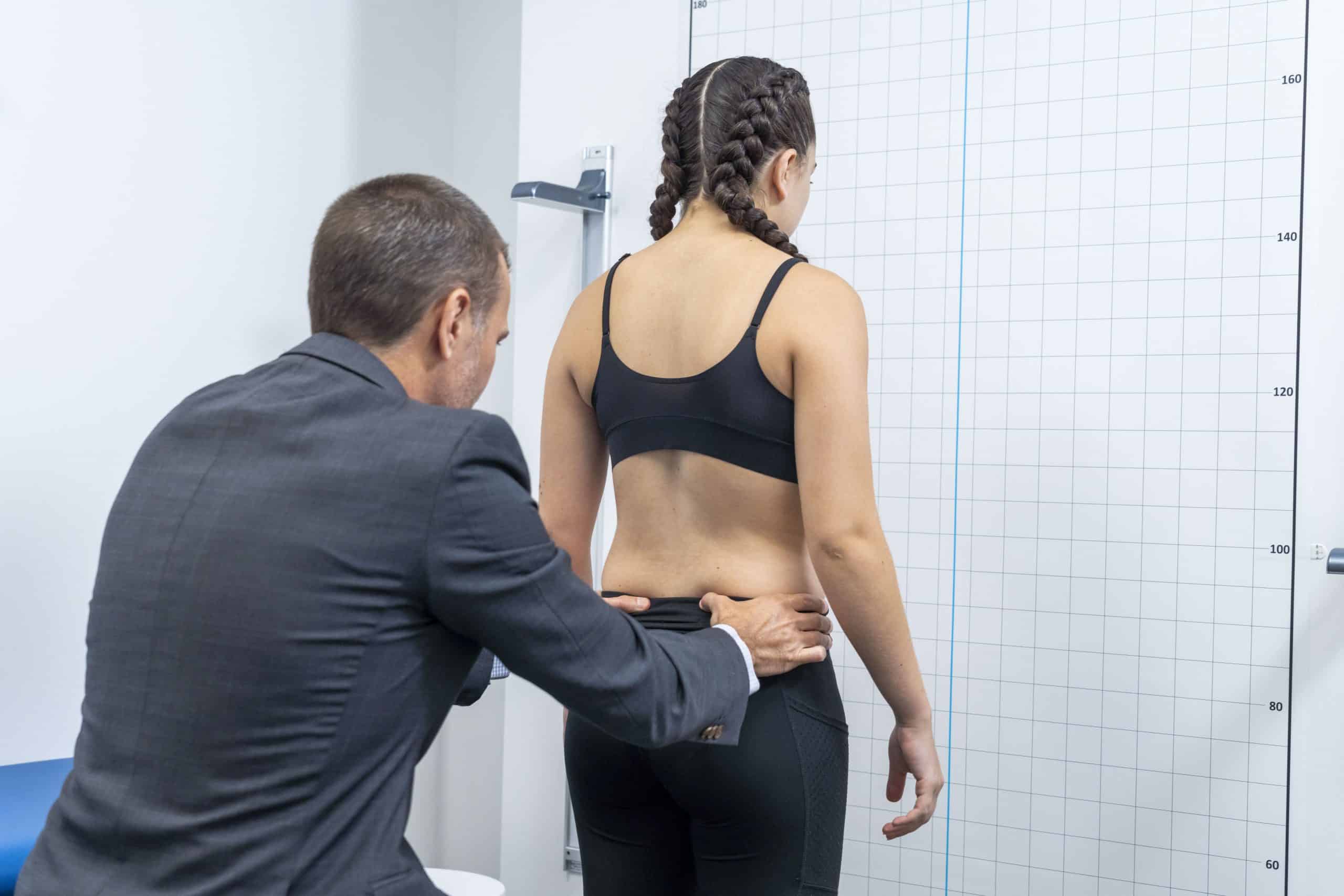
- Balance of the spine. What is meant by “balance” is the forward/backwards, left right/shift of the spine that does not necessarily related to the size of the curve. Most importantly adults with scoliosis who have a forward shifted posture, or those that are bent forward, will develop more pain than those in a neutral or backwards shifted posture.
Treatments for Adult Scoliosis
 Overview
 Exercise
 Bracing
 Surgery
The usual care recommended for patients suffering back pain with adult scoliosis is pain killers, anti-inflammatory or other drug treatments, back strengthening exercises, surgical decompression and the whole range of other medical and complementary treatments used to treat common lower back pain. On the whole these treatments do not manage the pain over the medium to long term as they generally do not help to treat the underlying condition causing the pain, which is the scoliosis.
Specialised conservative scoliosis treatments and specialised surgical treatments have been developed to treat adult scoliosis. Unfortunately as adult spines have finished growing, the potential to make correction is limited to the inherent flexibility of the scoliosis and is usually very limited. However in many cases, the scoliosis need not be corrected to reduce pain. As the majority of adult scoliosis patients suffering pain do so because of the altered spinal balance and not because of the size of the curve, both conservative and surgical treatments that specialise in treating adult scoliosis can be beneficial.
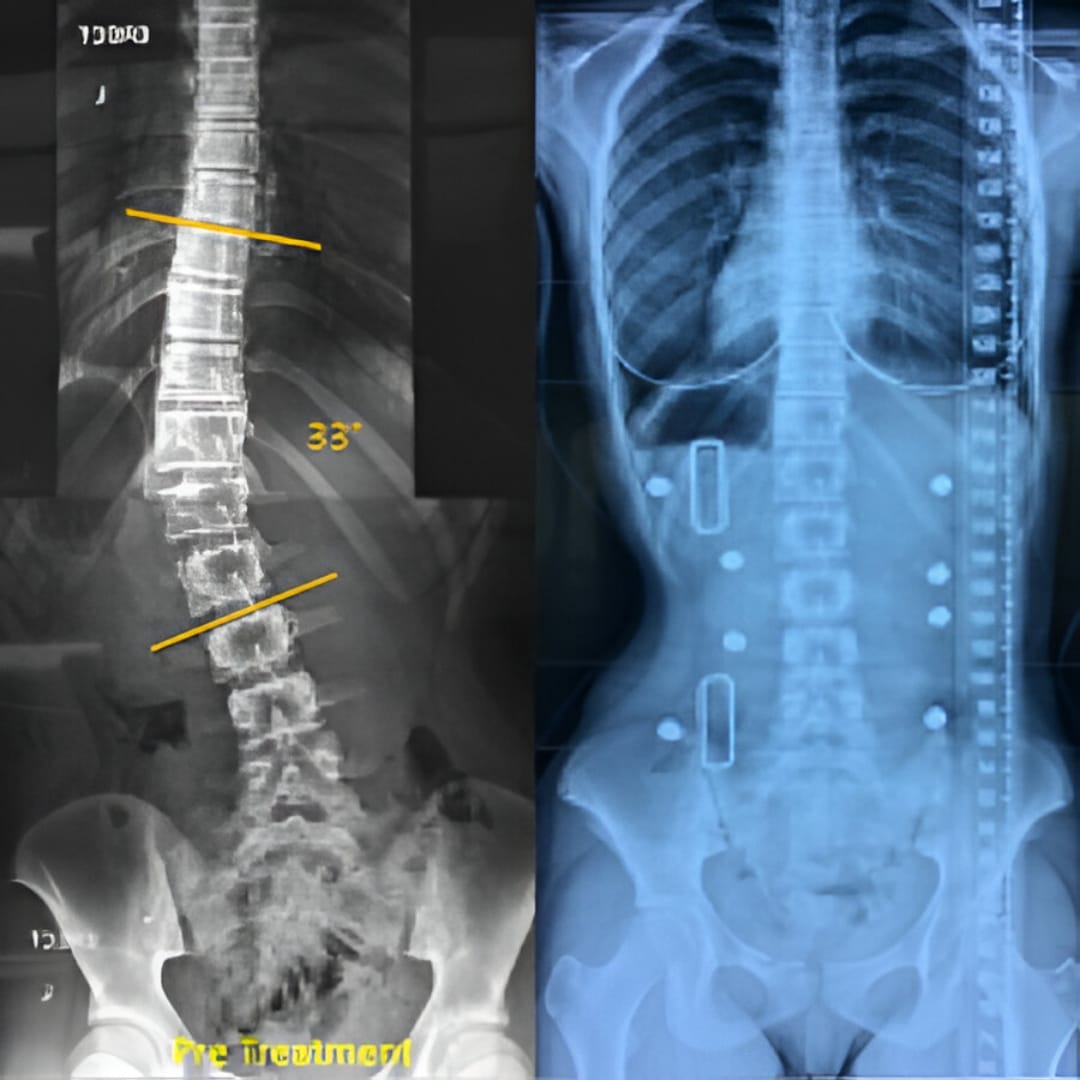
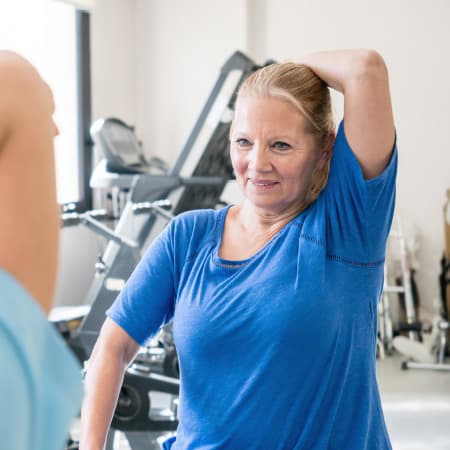
In some cases, pain relief and stabilisation can be achieved with intensive scoliosis specific exercise rehabilitation, such as ScoliBalance®, which works on spinal balance and improving spinal balance, not just strengthening core muscles.
ScoliBalance is a specialised scoliosis specific exercise program that is tailored to each individual patient according to their curve type, symptoms and treatment goals.
By focusing on improvements in spinal balance, ScoliBalance can help to reduce pain. If the curve is flexible, it may also be possible to achieve improvement to body appearance. ScoliBalance may also improve standing balance and reduce fall risk in older adults. While ScoliBalance is very helpful in pain management, it may also aid in slowing the progression of a degenerative curve. However where degenerative progression is present, an adult custom 3D brace should be recommended.
Scoliosis bracing can potentially be a treatment option for adults with scoliosis.
Wearing a custom 3D scoliosis brace, designed specifically for an adult patient, can aim to help support the spine, realign posture, reduce pain and improve quality of life for adults with scoliosis. In some cases, adults may only need to wear the brace part time each day.
In elderly adults with degenerative scoliosis, low back and leg pain are often the main complaint regarding their scoliosis. In these cases the spine may have some instability in the form of lateral listhesis. Bracing can be very effective in stabilizing the spine and reducing pain.
In younger adults, cosmetic and postural complaints are often the main issue. In these cases a custom 3D designed corrective brace, has the best chance at improving the postural cosmetic concerns.

Surgery may be recommended for those patients who do not respond to non-surgical treatment after a period of time, or when the spinal deformity is severe or getting worse and having a significant impact on their overall quality of life.
Performing surgery on adults can be challenging and carries higher risks. This is particularly true when the patient has osteoporosis, which weakens the bones and makes it harder to attach rods and bone grafts.
Although surgery may not always provide pain relief, it may be the only viable option when conventional and conservative treatments have been unsuccessful.

Other Types of Scoliosis

Infantile
Juvenile
Adolescent
Adult
Neuromuscular

