
Adolescent Scoliosis Bracing
About Adolescent Scoliosis Bracing
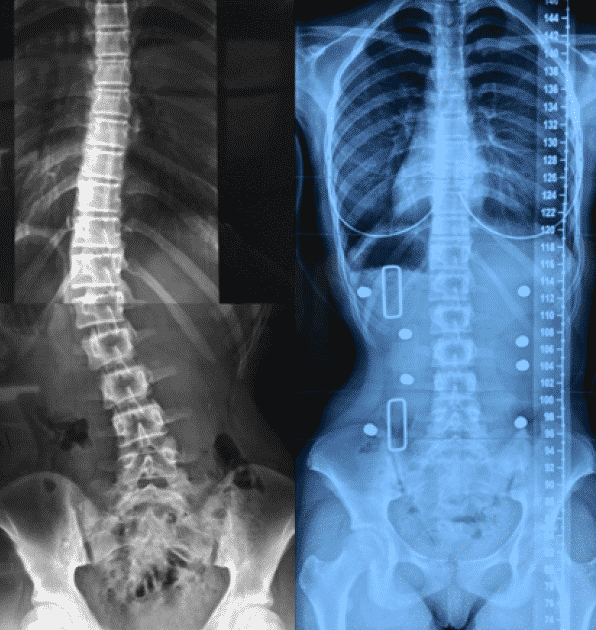
Adolescent Idiopathic Scoliosis (AIS)
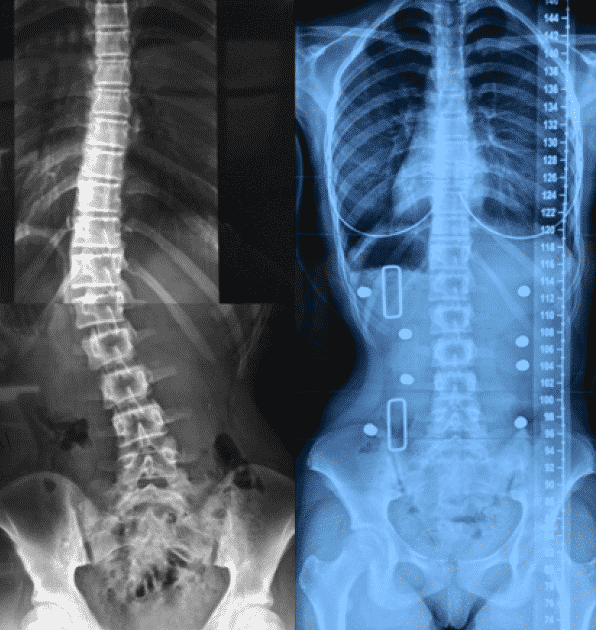
Adolescent Idiopathic Scoliosis (AIS) is a scoliosis that affects children or adolescents from the age of 10 into young adulthood. Typically it is noticed around 11 to 12 years of age in girls, and a little later in boys, and often begins to develop at the initial onset of puberty, and can progress rapidly during periods of growth.

Bracing for Adolescent Scoliosis
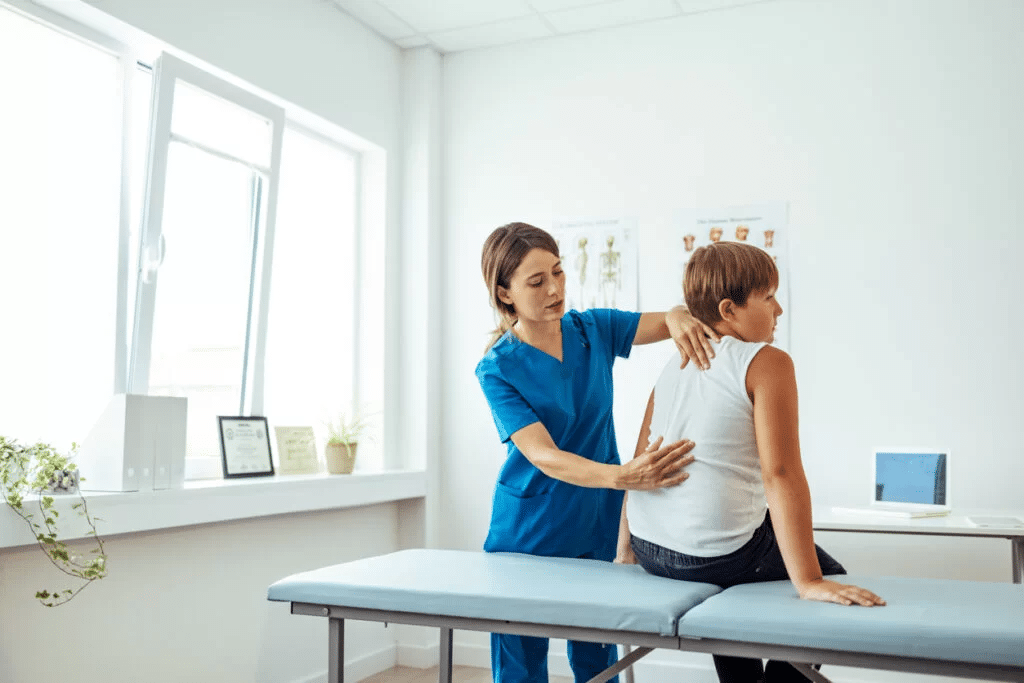
For adolescents with scoliosis, bracing is a proactive measure, usually recommended for curves, typically between 25-40 degrees. The goal of early intervention, with bracing, aims to control the progression of the curve/s, over periods of rapid growth, aiming to halt progression and where possible correct the curve. It may also aim to improve posture and body aesthetics, help with pain and potentially reduce the need for surgery.
Evidence Supporting Bracing Effectiveness
Research has shown strong evidence to the value of brace treatment for those adolescents at high risk of progression or surgery. Evidence from the BrAIST study [1] established the effectiveness of bracing as early, non-operative care. 72% of brace wearers avoided surgical recommendations. There was also a significant positive association between hours of brace wear and rate of treatment success.
- Adolescent Idiopathic Scoliosis (AIS) is a scoliosis that affects children or adolescents from the age of 10 into young adulthood. Typically it is noticed around 11 to 12 years of age in girls, and a little later in boys, and often begins to develop at the initial onset of puberty, and can progress rapidly during periods of growth.
- For adolescents with scoliosis, bracing is a proactive measure, usually recommended for curves, typically between 25-40 degrees. The goal of early intervention, with bracing, aims to control the progression of the curve/s, over periods of rapid growth, aiming to halt progression and where possible correct the curve. It may also aim to improve posture and body aesthetics, help with pain and potentially reduce the need for surgery.
- Research has shown strong evidence to the value of brace treatment for those adolescents at high risk of progression or surgery. Evidence from the BrAIST study [1] established the effectiveness of bracing as early, non-operative care. 72% of brace wearers avoided surgical recommendations. There was also a significant positive association between hours of brace wear and rate of treatment success.
Bracing Treatment

 Our Approach to Adolescent Bracing
 Custom Brace Design for Adolescents
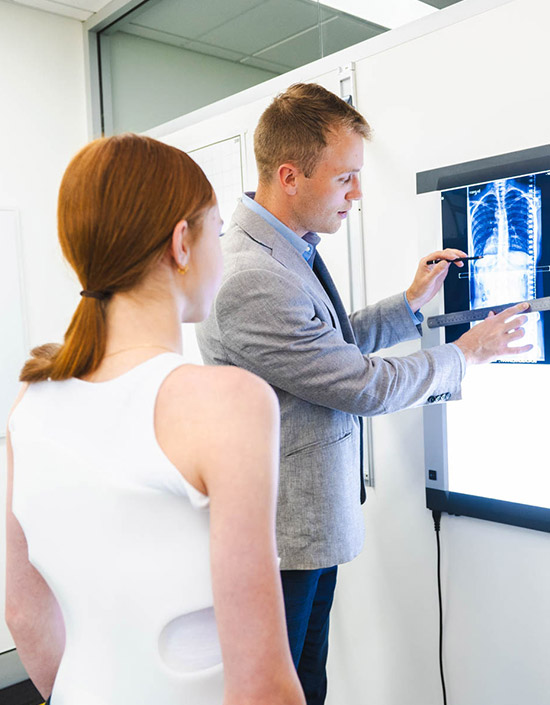
Our approach to scoliosis bracing for adolescent patients, brings together advanced technology, evidence-based techniques and dedicated clinicians to offer a 3D custom made over-corrective brace to help treat scoliosis in adolescents.
Using a structured light scanner that attaches to an iPad, the BraceScan software allows our clinicians to capture full 3D body scans of a patient in any position.
This approach means that no two braces are the same, just as no two curves are the same.
These 3D scans, digital X-rays, posture photos and other clinical information are then used to design a custom over-corrective brace which aims to harnesses spinal coupling, not 3 point pressure, and create a better position of the three-dimensional posture of the body.
ScoliCare’s approach to scoliosis treatment is to ensure each curve is accurately assessed from the outset and to recommend appropriate treatment options, tailored to each patient. To see if bracing might be a suitable treatment approach for you or a loved one, contact us for an assessment.
Our brace for Adolescent patients is a 3D custom made over-corrective brace. The over-corrective approach guides the body and spine into a posture that is the opposite of how the scoliosis is shaped.
The brace may generally be used for adolescent patients with curves between 25 to 60 Cobb angle, although specific indications will vary according to the patient’s age, curve type, flexibility and degree.
Some common goals of adolescent brace treatment are curve management and potential reduction, improving posture and the overall appearance of the body, and improving function and pain.
Contact Us if you have questions about our bracing system for adolescents or to see if bracing might be a suitable treatment approach.
Success Stories from our Clinics
Thank you to these patients for allowing us to share their case studies.
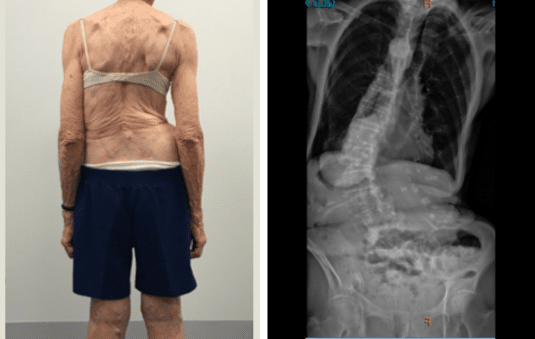
Case – Adolescent Bracing (14 year old female)
Female aged 14 years with a 34° thoracolumbar curve. Reduction of Severe Scoliosis using a 3D Designed Custom Scoliosis Orthosis in a Young Active Female Read More .
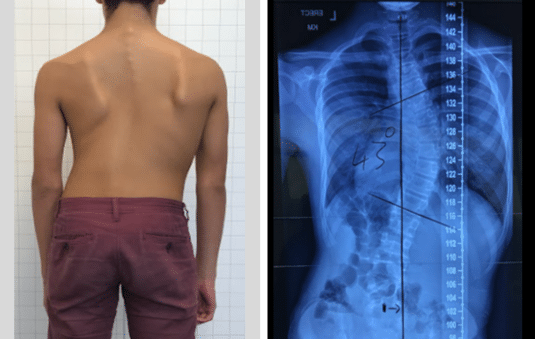
Case – Adolescent Bracing (12 year old male)
Reduction of a severe scoliosis in a young active male, using a 3D designed custom scoliosis orthosis and ScoliBalance Read More .
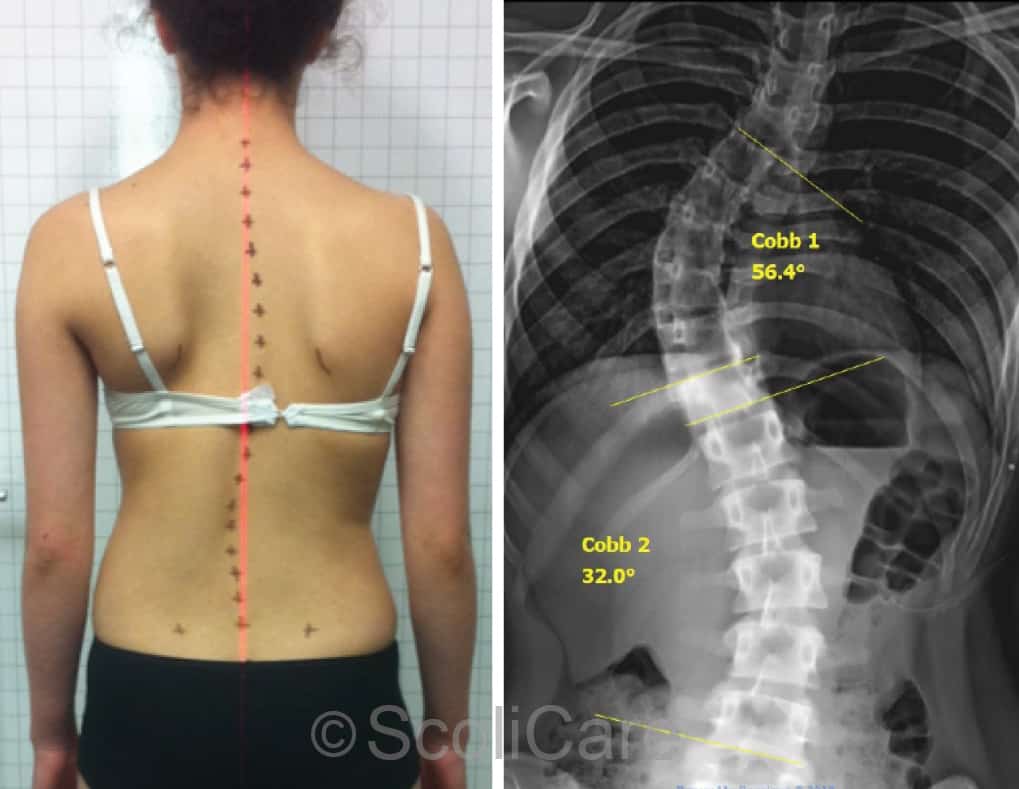
Case – Adolescent Bracing (14 year old female)
Reduction of a severe scoliosis in a young female gymnast using a 3D custom brace and ScoliBalance program Read More.
Types of Bracing Treatment
Different brace approaches are used depending on age and curve characteristics.


Infantile
Juvenile

Adolescent
Adult
Neuromuscular


[1] Weinstein S, Dolan L, Wright J, and Dobbs M. Effects of Bracing in Adolescents with Idiopathic Scoliosis.N Engl J Med 2013; 369:1512-1521 DOI: 10.1056/NEJMoa1307337