Scoliosis Bracing

Scoliosis Bracing

Scoliosis Bracing

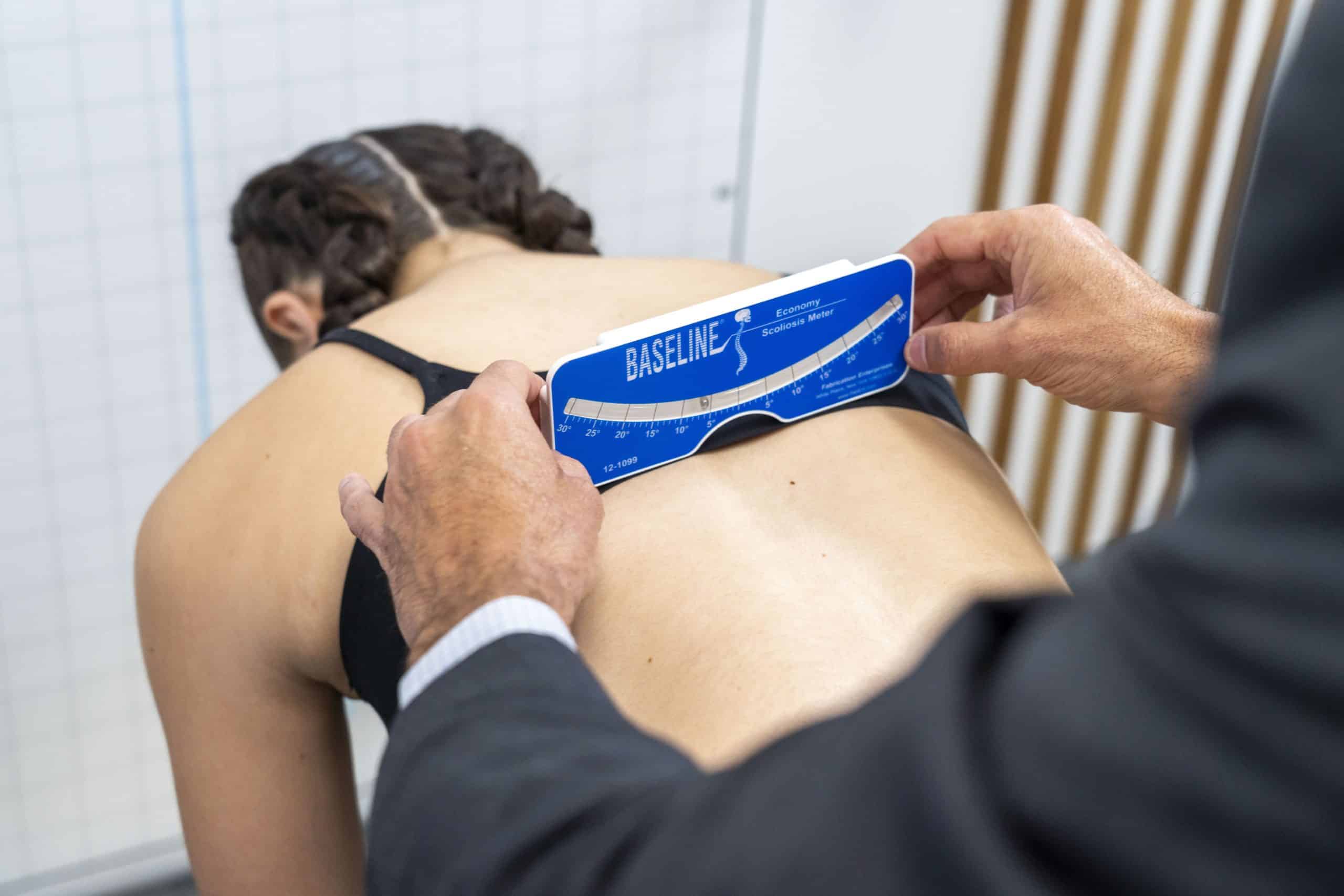
At ScoliCare, we provide evidence-based, custom-designed scoliosis bracing options for children, teens, and adults. Every scoliosis brace we create is designed from real clinical data – including posture scans, X-rays, and individual assessments – to suit each person’s spine and lifestyle.

If you or a family member has been diagnosed with scoliosis, contact your nearest ScoliCare clinic to discuss whether bracing may be suitable.
Bracing has been used as an early intervention treatment for scoliosis for decades. Over the years the way that scoliosis braces are designed and manufactured has evolved.

Why Bracing Matters

Scoliosis can progress during growth or with age. Bracing is a recognised non-surgical treatment that may help reduce the risk of curve progression in many cases. In the landmark BRAIST Study [1], bracing was shown to significantly reduce the need for surgery, with success rates over 70% when braces were worn as prescribed. 
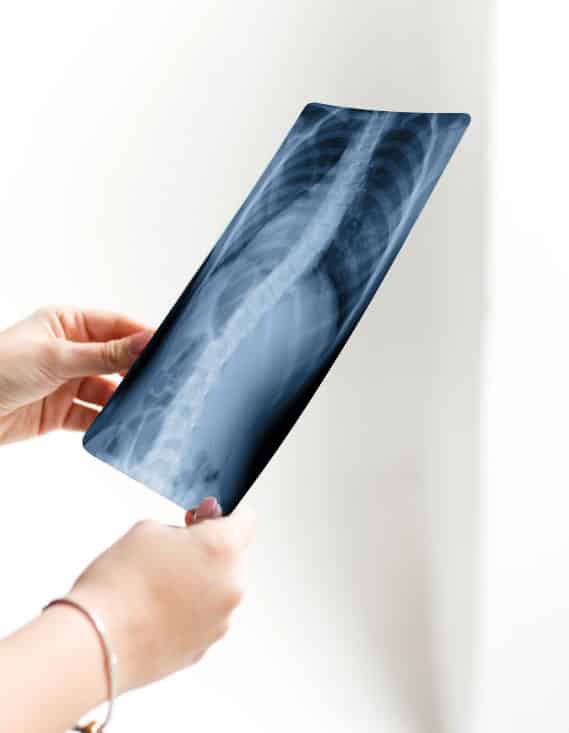
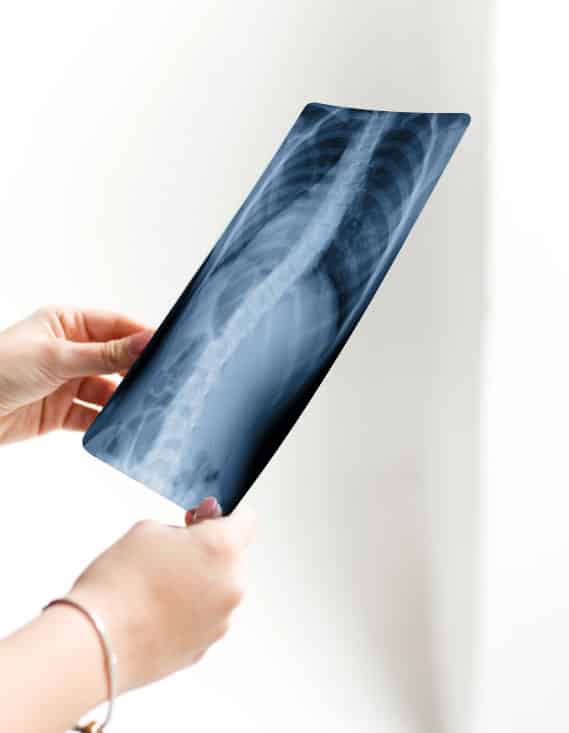
3D designed and manufactured scoliosis braces have been developed.

Traditional Braces vs. Modern Bracing

Older-style scoliosis braces are often focused only on stopping curve progression. They would treat the spine like a fracture using three-point pressure to squeeze the posture and immobilise the area. They were often also very rigid and uncomfortable. 

Modern scoliosis braces, such as the ScoliBrace®, are custom-made, lightweight, and designed using advanced technology. Each brace is prescribed and fitted by trained clinicians, with a focus on comfort, function, and individual treatment goals.

Custom 3D-Designed Bracing

At ScoliCare, our approach combines advanced scanning technology, evidence-informed design, and the expertise of experienced clinicians to create a truly individual brace for each patient.

Using a structured-light scanner and specialised BraceScan software, our clinicians capture a detailed digital model of your posture and body shape. This process helps improve both the precision and comfort of each brace.

Every ScoliBrace® is designed with the patient in mind – combining innovative technology and clinical expertise to create a custom brace.

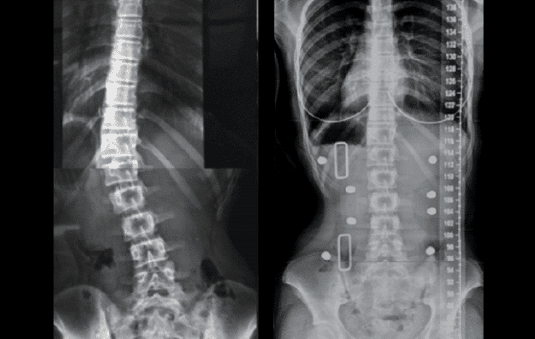
Measurement of X-rays in Scoliosis and Hyperkyphosis Assessment

Why Bracing Matters

Scoliosis can progress during growth or with age. Bracing is a recognised non-surgical treatment that may help reduce the risk of curve progression in many cases. In the landmark BRAIST Study [1], bracing was shown to significantly reduce the need for surgery, with success rates over 70% when braces were worn as prescribed. 
[1] Weinstein, S. L., Dolan, L. A., Wright, J. G., & Dobbs, M. B. (2013). Design of the bracing in adolescent idiopathic scoliosis trial (BrAIST). Spine, 38(21), 1832.

Traditional Braces vs. Modern Bracing

Older-style scoliosis braces are often focused only on stopping curve progression. They would treat the spine like a fracture using three-point pressure to squeeze the posture and immobilise the area. They were often also very rigid and uncomfortable. 
Modern scoliosis braces, such as the ScoliBrace®, are custom-made, lightweight, and designed using advanced technology. Each brace is prescribed and fitted by trained clinicians, with a focus on comfort, function, and individual treatment goals.
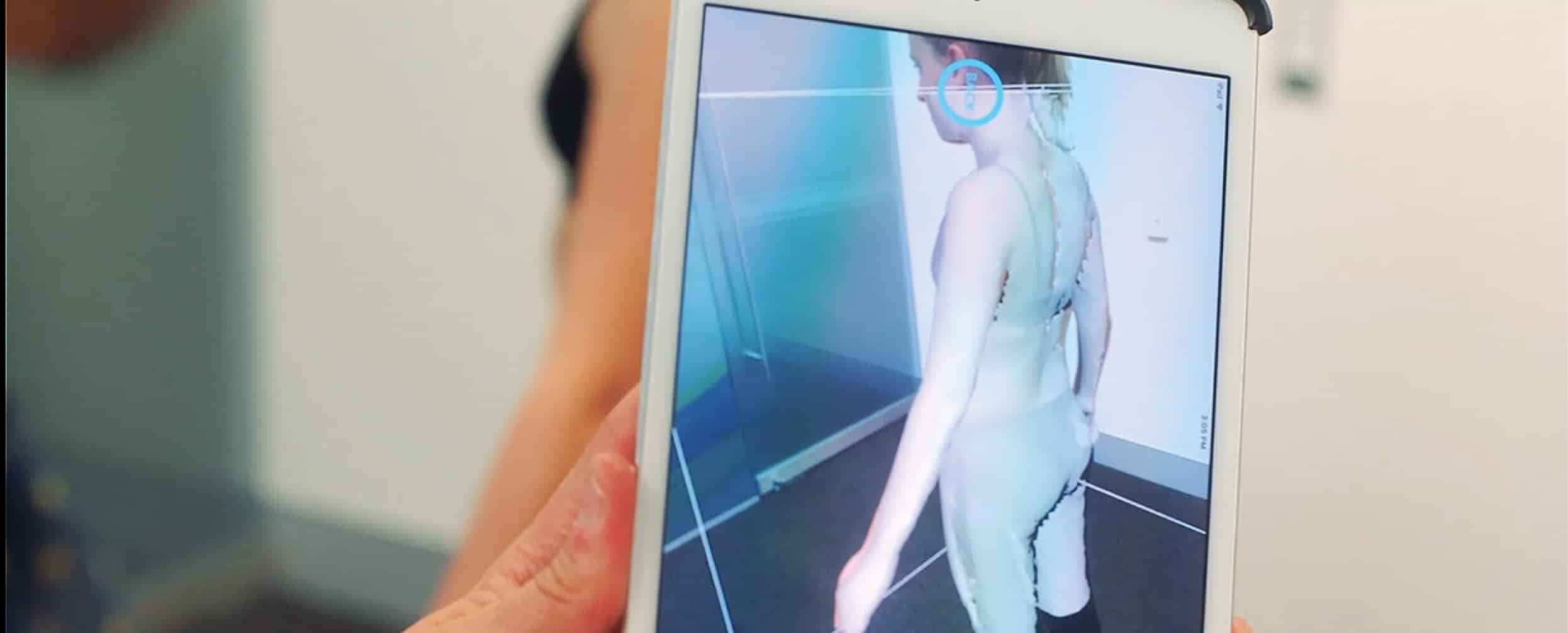
3D designed and manufactured scoliosis braces have been developed.

Custom 3D-Designed Bracing

At ScoliCare, our approach combines advanced scanning technology, evidence-informed design, and the expertise of experienced clinicians to create a truly individual brace for each patient.
Using a structured-light scanner and specialised BraceScan software, our clinicians capture a detailed digital model of your posture and body shape. This process helps improve both the precision and comfort of each brace.
Every ScoliBrace® is designed with the patient in mind – combining innovative technology and clinical expertise to create a custom brace.
Your Path Forward

A scoliosis assessment is the first step in understanding your spine and exploring the best non-surgical scoliosis treatment options for your needs. Your personalised scoliosis care plan may include ScoliBalance®, which is a scoliosis specific exercise programScoliBalance®), and a custom-designed ScoliBrace®, or, where appropriate, referral for surgical consultation.
Our goal is to help every patient – child, teen, or adult –  understand their scoliosis and make informed decisions about their care.
An early scoliosis assessment can help you explore suitable non-surgical care options.

Types of Bracing Treatment

Scoliosis Bracing has been used as an early intervention treatment for scoliosis for decades. In many cases, it may be used in the treatment of scoliosis across a wide variety of ages, including children, adolescents and adults.

Types of Bracing Treatment

Scoliosis Bracing has been used as an early intervention treatment for scoliosis for decades. In many cases, it may be used in the treatment of scoliosis across a wide variety of ages, including children, adolescents and adults.

Types of Bracing Treatment

Scoliosis Bracing has been used as an early intervention treatment for scoliosis for decades. In many cases, it may be used in the treatment of scoliosis across a wide variety of ages, including children, adolescents and adults.

Types of Bracing Treatment

Scoliosis Bracing has been used as an early intervention treatment for scoliosis for decades. In many cases, it may be used in the treatment of scoliosis across a wide variety of ages, including children, adolescents and adults.

Types of Bracing Treatment

Scoliosis Bracing has been used as an early intervention treatment for scoliosis for decades. In many cases, it may be used in the treatment of scoliosis across a wide variety of ages, including children, adolescents and adults.

Types of Bracing Treatment

Different brace approaches are used depending on age and curve characteristics.

Infantile

Juvenile

Adolescent

Adult
Neuromuscular

Find Your Nearest Clinic

ScoliCare Clinics, affiliates and product providers are in over 200 locations around the world. Find your nearest ScoliCare location here.

[1] Charles YP, Saures J-P, de Rosa V, and Diméglio A. Progression risk of idiopathic juvenile scoliosis during pubertal growth. Spine 2006. Aug 1;31(17):1933-42. doi: 10.1097/01.brs.0000229230.68870.97.