
What is Kyphosis?
Hyperkyphosis (often commonly referred to as ‘kyphosis’) can be caused by functional problems such as poor posture, low muscle tone and pain. It can also be caused by structural problems such as a fracture of one of the vertebrae or when the vertebrae grow in a deformed manner (the back of the bone grows taller than the front of the bone creating a wedge shape). Sometimes multiple vertebrae develop a wedge shape and this creates a special condition called Scheuermann’s hyperkyphosis.
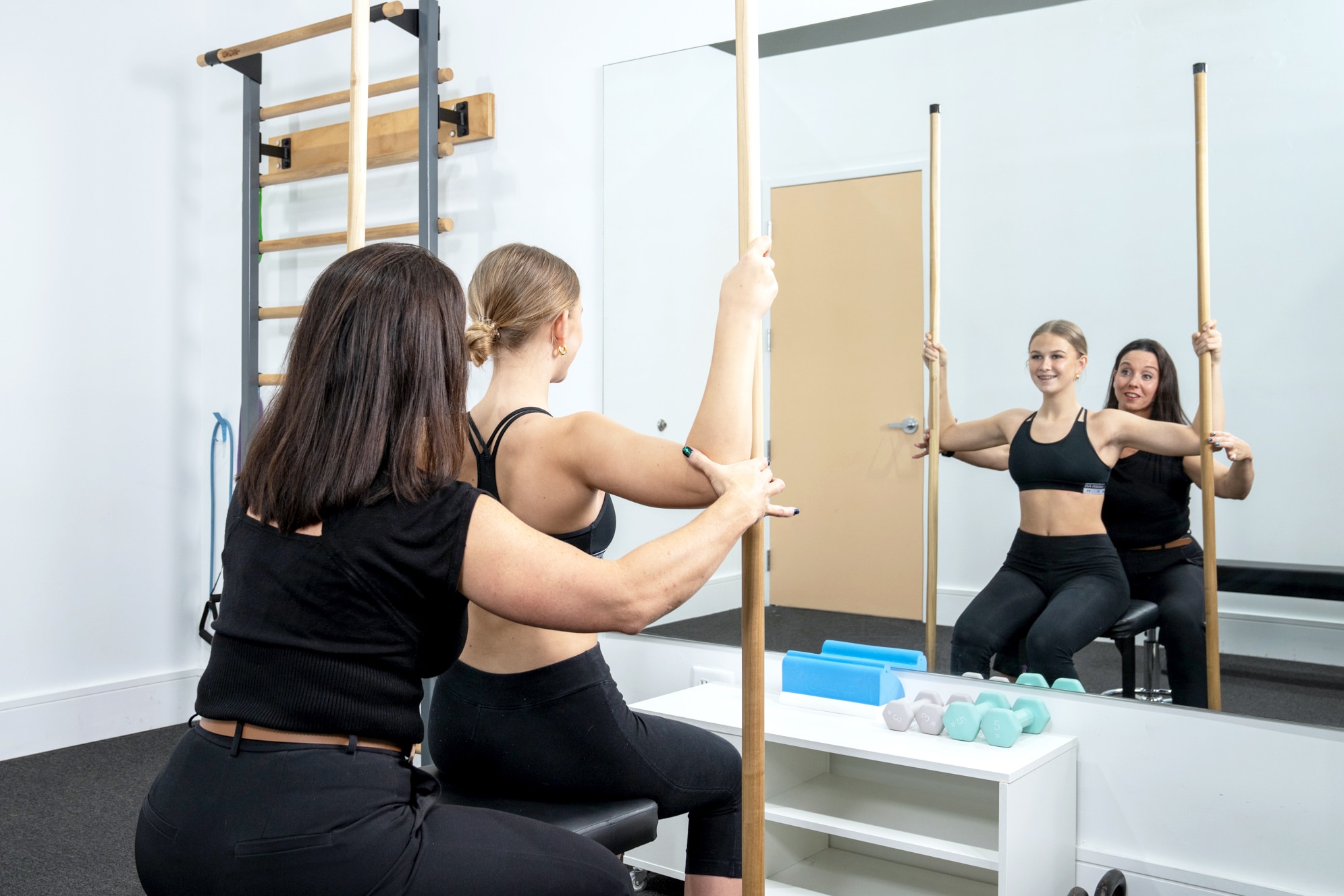
Depending on the cause, hyperkyphosis may be treated with a specific exercise program. If the kyphosis is large and/or stiff, a specialized kyphosis brace that is custom-made can stabilize and sometimes improve the kyphosis. In extreme cases, surgery may be recommended. We ensure each patient is expertly assessed and given the best options for care.
Hyperkyphosis Symptoms
Symptoms of hyperkyphosis may include:
- Poor posture with an obvious slouch or hunching appearance of the mid-back
- Consistent pain in the mid-back
- Tightness or stiffness in the mid-back
If left untreated, hyperkyphosis can worsen over time increasing symptoms and may become more difficult to treat.
Causes of hyperkyphosis
The causes of hyperkyphosis may include:
- Poor posture
- Uneven growth of the vertebrae causing a wedge (Scheuermann’s kyphosis)
- Low bone density (Osteoporosis) causing compression fracture in the spine
- Spinal infections
- Neuromuscular conditions such as cerebral palsy
- Chronic diseases such as arthritis
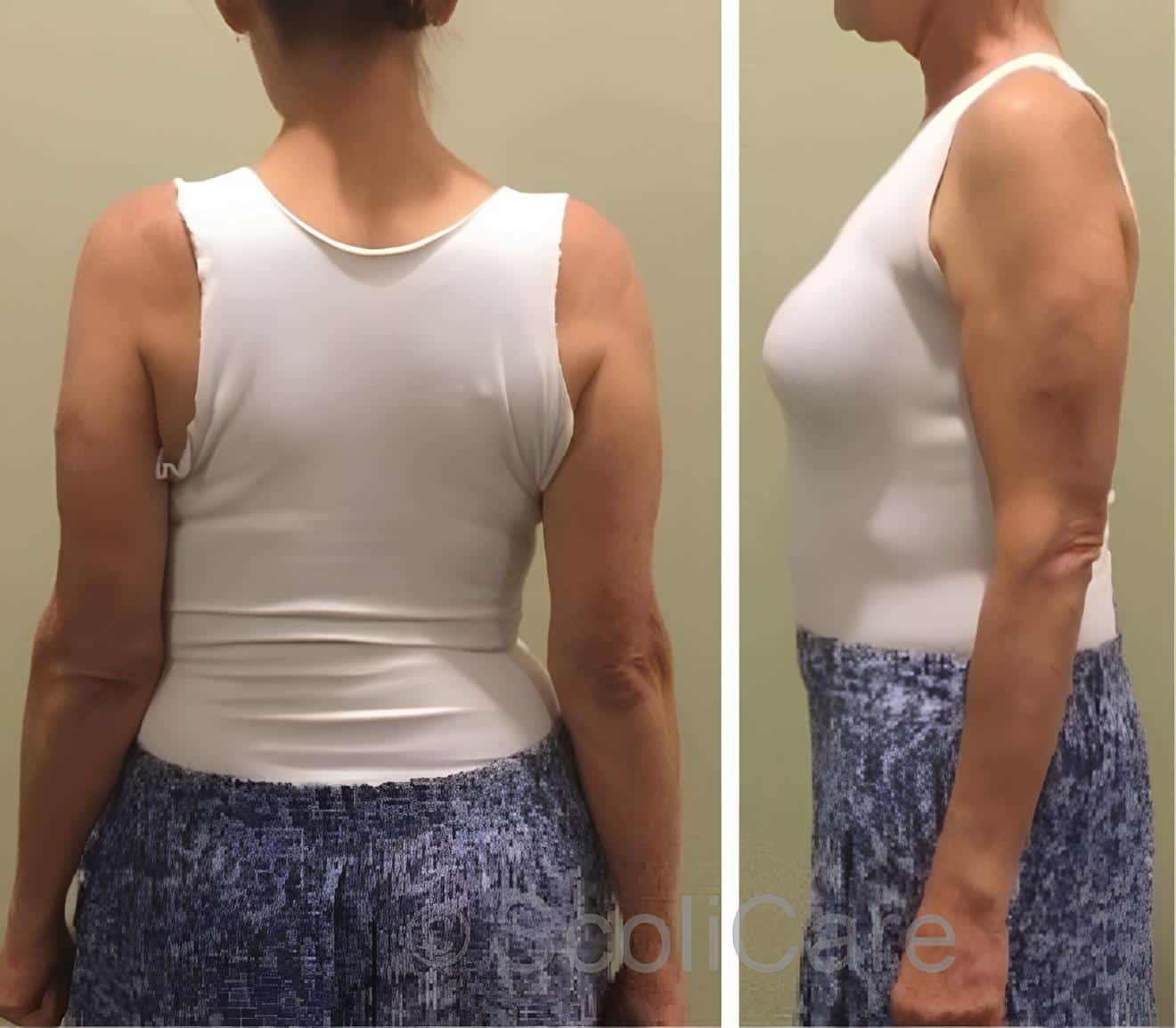
Types of hyperkyphosis
There are three main types of hyperkyphosis :

Postural hyperkyphosis
Postural hyperkyphosis is the most common type, typically appearing during adolescence. It is a functional condition, meaning it is not caused by structural changes in the spine. Instead, it is often linked to poor posture and/or reduced strength in the muscles and ligaments that support the spine.
In most cases, kyphosis-specific exercises are effective in improving posture. If the spine is particularly stiff or exercises are difficult to perform, bracing may also be considered.
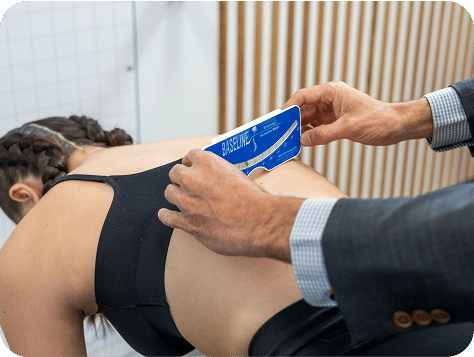
Scheuermann’s hyperkyphosis
Scheuermann’s hyperkyphosis develops during adolescence and is caused by structural changes in the vertebrae, which take on a wedge shape. It is typically diagnosed when multiple vertebrae are affected.
Treatment usually involves a combination of kyphosis-specific exercises and bracing to support spinal alignment and improve outcomes.
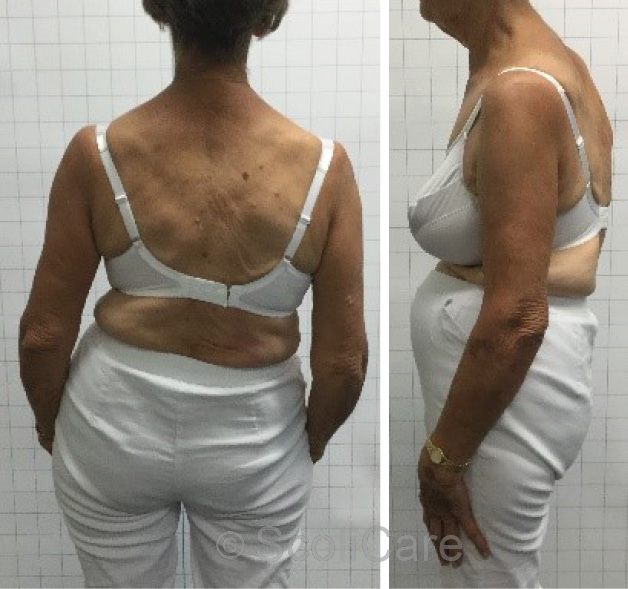
Aging-related hyperkyphosis
As we age, there is a natural tendency to develop hyperkyphosis due to gravity pulling us down. As muscles and ligaments weaken, our ability to maintain upright posture decreases. In cases of low bone density, this can lead to compression fractures, where the front of the vertebrae collapse and form a wedge shape. The best way to manage age-related kyphosis is to maintain good posture and the strength to support it. If posture declines and hyperkyphosis develops, active treatment with kyphosis-specific exercises and/or bracing is important.
How is hyperkyphosis treated?
 Overview
 Exercise
 Bracing
 Surgery
In the early stages, hyperkyphosis can be treated with kyphosis specific exercise. If the kyphosis worsens beyond a certain degree, kyphosis specific bracing is the best non-surgical treatment to help stop the worsening of the kyphosis and in some cases may be able to improve the curve. Surgery may be recommended if the kyphosis progresses beyond the range that can be helped with bracing and exercise.
We offer kyphosis specific exercise rehabilitation programs and custom-made kyphosis specific braces.
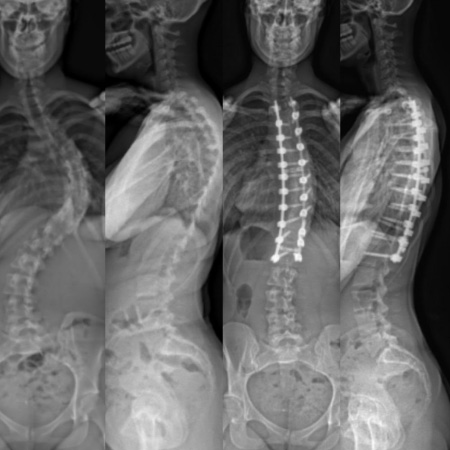
Depending on the type of hyperkyphosis, kyphosis specific exercises may be helpful. If the kyphosis is flexible, especially when it is a postural hyperkyphosis, specific exercise rehabilitation can be very helpful. When the kyphosis is stiffer, exercise rehabilitation alone may not be enough to improve or stabilize a worsening kyphosis.
Kyphosis specific bracing can play a role in both children and adults. In postural hyperkyphosis, bracing is rarely used unless the patient is unable to perform the exercises or the spine is particularly stiff. Kyphosis specific bracing is almost always recommended in children who have Scheuermann’s kyphosis during their period of growth.
In adults, kyphosis bracing can be used to stabilize the posture if it is declining as a result of age. Kyphosis bracing can also be used to stabilize the spine following a compression fracture.
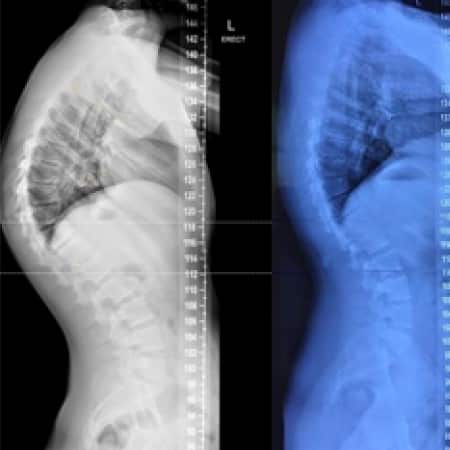
Surgery is generally reserved for the severe cases where non-surgical treatments are not appropriate. Kyphosis surgery is a major spinal surgery with the goal of stabilizing a kyphosis that is worsening over time.