
What is Scoliosis?
Scoliosis is a condition that affects the spine. It can affect people of all ages, from children and teens to adults.
Understanding Scoliosis
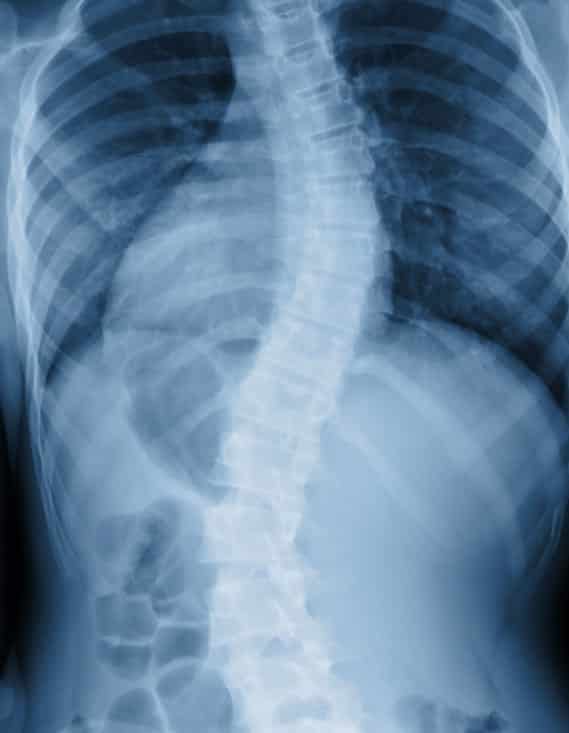
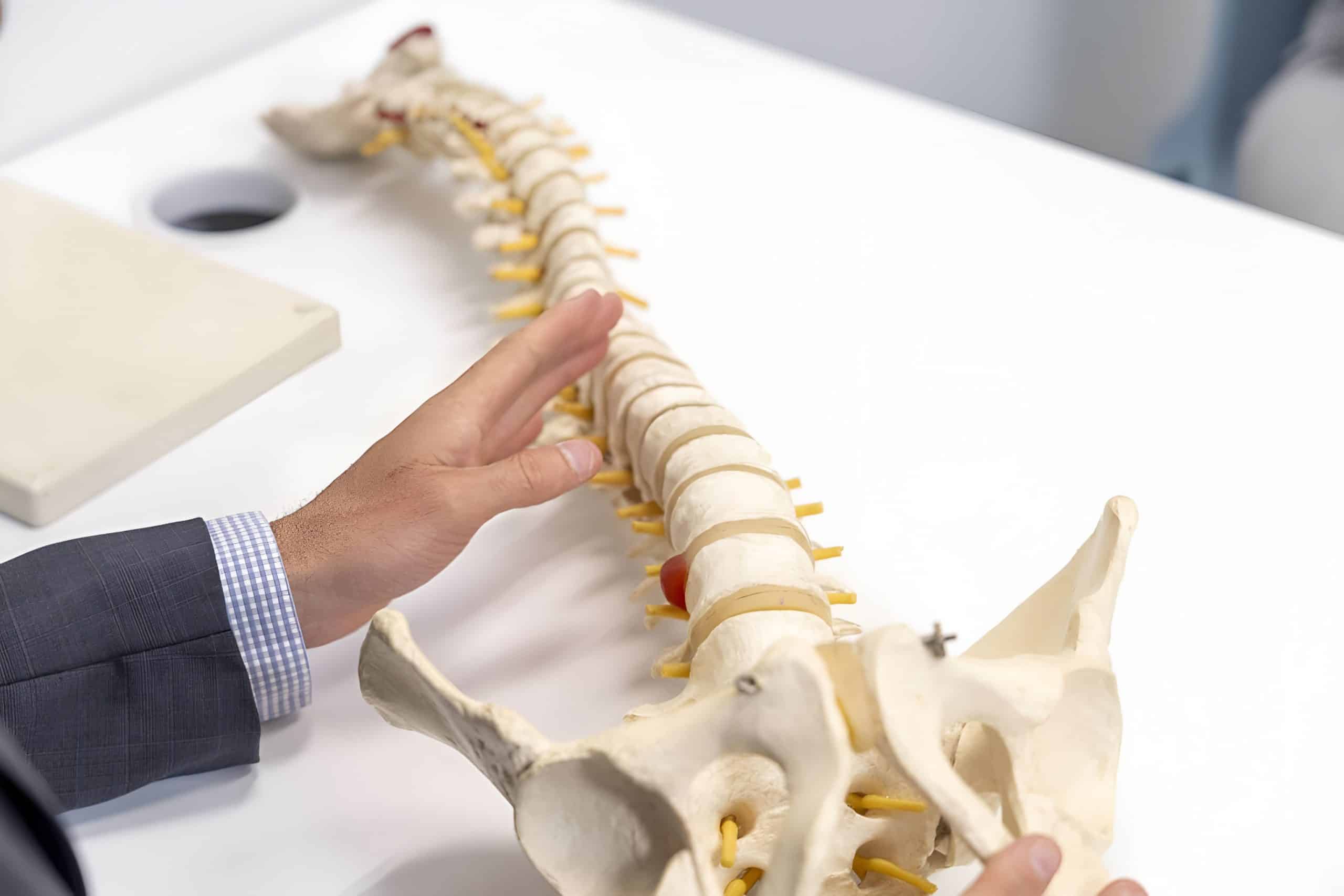
- Scoliosis is a progressive, lateral curvature of the spine. When viewed from the side, the spine should have curves. However when viewed from the back, the spine should be straight.
- Typically someone is diagnosed as having scoliosis if the curve is measured on an X-ray at 10 degrees or more combined with rotation of the vertebrae/spine. This measurement is known as the cobb angle of the scoliosis curve.
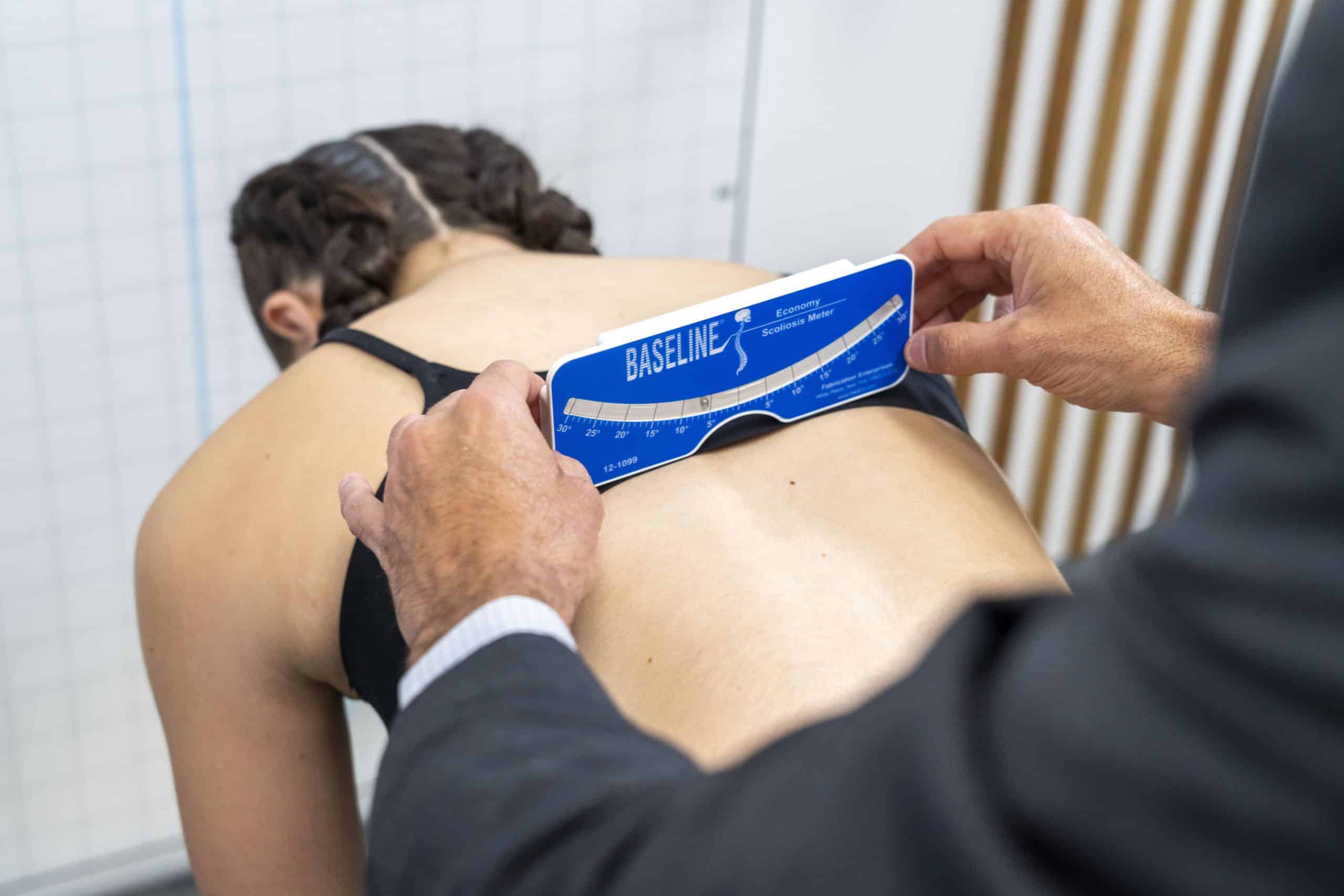
- Scoliosis can affect people of all ages, from infants and children, to adolescents and adults. It’s commonly detected during periods of rapid spinal growth in a child’s life. This is usually between the age of 10 and 16 years of age. However, infants and children can also be affected.
Adult Scoliosis
There are also increasing numbers of adults with scoliosis. This can be scoliosis which was not detected when they were younger or degenerative scoliosis (De Novo Scoliosis) which has developed as they have aged.
What Causes Scoliosis?
The causes of scoliosis can vary. Sometimes, it happens without a clear reason, and that is called idiopathic scoliosis. Sometimes scoliosis can be linked to family history meaning if someone in your family had it, you might be more likely to get it too. As people age, they can also be affected by degenerative types of scoliosis.
Less Common Causes of Scoliosis
In rare cases, certain health conditions or problems with the spine’s development can also cause scoliosis, for example, neuromuscular conditions like cerebral palsy.

Other Types of Scoliosis

Infantile
Juvenile
Adolescent

Adult
Neuromuscular

