
Adult Scoliosis: Causes, Symptoms & Treatment Options

Adult Scoliosis: Causes, Symptoms & Treatment Options
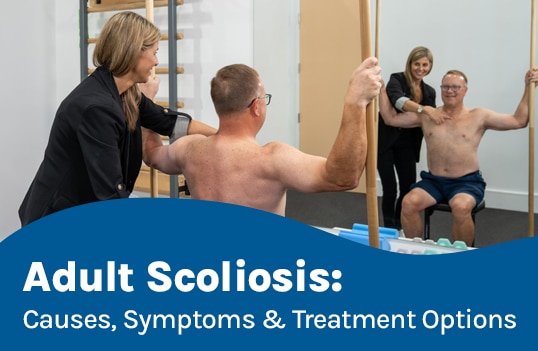
Although scoliosis is most often diagnosed during adolescence, scoliosis can also develop later in life. Once skeletal maturity is reached, scoliosis changes in terms of progression and pain. A focus of scoliosis treatment for older adults is fall prevention. Adult scoliosis can involve individuals who have had scoliosis since adolescence, or those who develop it … Read more
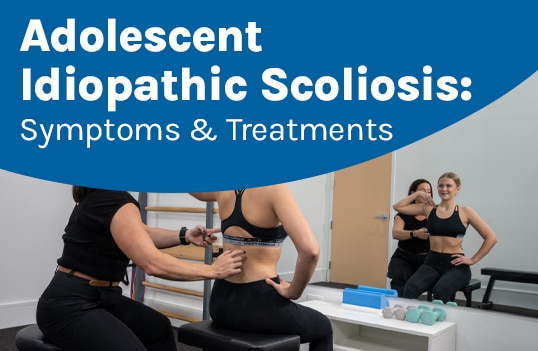
Adolescent Idiopathic Scoliosis: Symptoms & Treatments

Adolescent Idiopathic Scoliosis: Symptoms & Treatments

Diagnosing scoliosis early means while it’s still mild, and while there are no treatment guarantees, early detection and intervention are associated with treatment success. Adolescent Idiopathic Scoliosis is the most common form of scoliosis; it’s diagnosed between the ages of 10 and reaching young adulthood. This age group is also the most prone to rapid … Read more

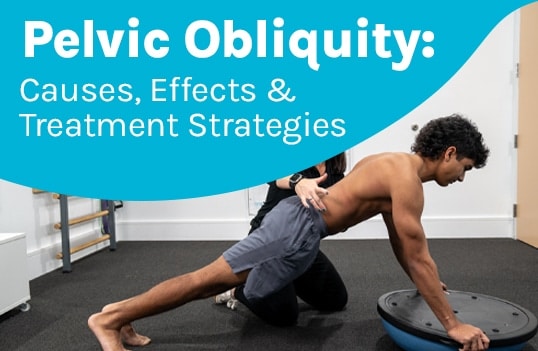
Pelvic Obliquity: Causes, Effects & Treatment Strategies

Pelvic Obliquity: Causes, Effects & Treatment Strategies

A body’s balance and stability is based on many factors, including its symmetry and alignment. Given the importance of the pelvis in facilitating healthy movement patterns and supporting upper body weight, a disruption in its position can have a number of effects. Pelvic obliquity causes the pelvis to become unnaturally tilted, causing one hip to … Read more

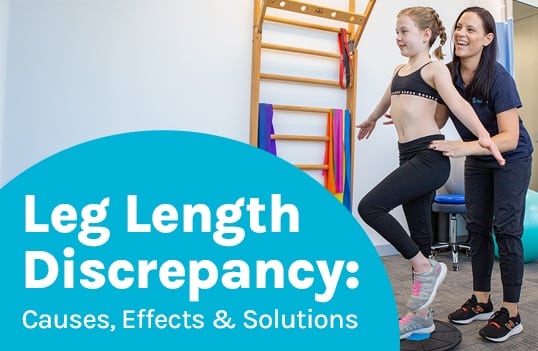
Leg Length Discrepancy: Causes, Effects & Solutions

Leg Length Discrepancy: Causes, Effects & Solutions

Nature favors symmetry, so a disruption to the body’s overall symmetry, including leg length, may be problematic. It’s important to note that a difference in leg length can be anatomical, or it can be due to a misalignment elsewhere in the body. Leg length discrepancy (LLD), also known as anisomelia and unequal leg length, is … Read more

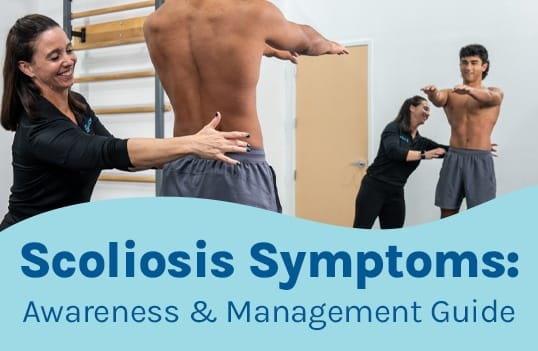
Scoliosis Symptoms: Awareness & Management Guide

Scoliosis Symptoms: Awareness & Management Guide

Scoliosis is progressive, but it can be highly treatable. The best way to manage scoliosis and its symptoms is to treat it proactively. As uneven shoulders and hips are often the earliest signs of scoliosis, these types of postural changes should be watched for and assessed, particularly in children; progression is triggered by growth. When … Read more

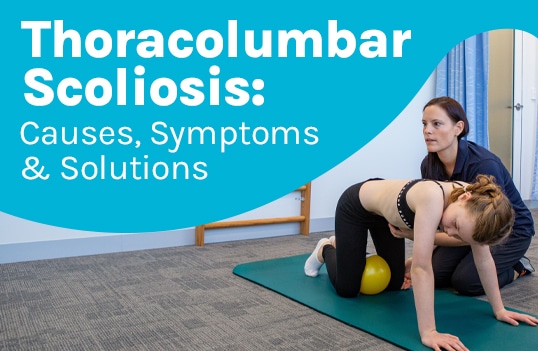
Thoracolumbar Scoliosis: Causes, Symptoms & Solutions

Thoracolumbar Scoliosis: Causes, Symptoms & Solutions

No two cases of scoliosis are the same, which is why it’s crucial that treatment plans are individualized. The process of diagnosing scoliosis involves comprehensive assessment and classification based on a number of variables, one of which is curvature type and location. A diagnosis of thoracolumbar scoliosis means a single progressive unnatural lateral spinal curve … Read more

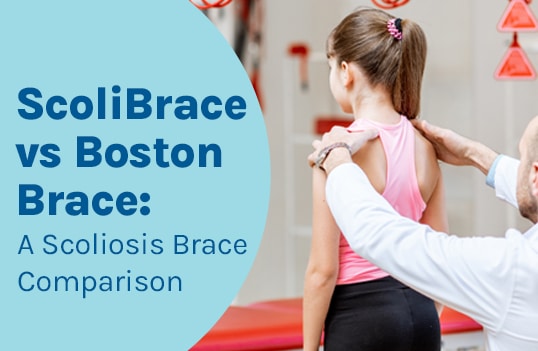
ScoliBrace vs Boston Brace: A Scoliosis Brace Comparison

ScoliBrace vs Boston Brace: A Scoliosis Brace Comparison

Scoliosis bracing has been used in scoliosis treatment for centuries, and while the concept of bracing isn’t new, we’ve learned a lot about scoliosis-brace efficacy over the years; ScoliCare Clinicians applied that knowledge to the design of the world’s most advanced scoliosis brace: the ScoliBrace®. The most commonly prescribed scoliosis brace in traditional treatment is … Read more

ScoliBrace vs Milwaukee Brace: A Scoliosis Brace Comparison

ScoliBrace vs Milwaukee Brace: A Scoliosis Brace Comparison

When it comes to scoliosis treatment, it’s important that patients and their families are informed. Scoliosis can change quickly, but in many cases, it can be highly responsive to conservative treatment. Knowing how different scoliosis braces compare in treatment can help patients make informed treatment choices. There is a significant difference between traditional scoliosis braces … Read more

When Does Scoliosis Stop Progressing? Facts & Insights

When Does Scoliosis Stop Progressing? Facts & Insights

As a progressive condition, the nature of scoliosis is to become more severe over time and with growth, but rates and levels of progression can range widely from patient to patient. It’s important to understand that scoliosis treatment involves addressing an ongoing spinal condition. As a progressive condition, scoliosis won’t simply go away or improve … Read more

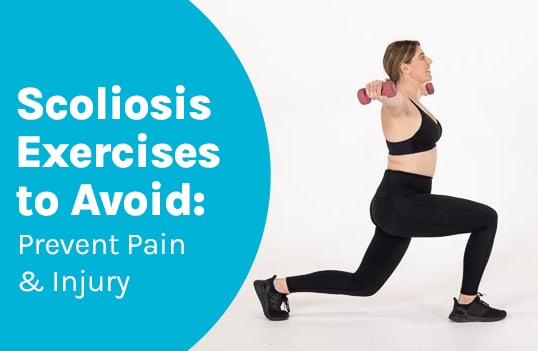
Scoliosis Exercises to Avoid: Prevent Pain & Injury

Scoliosis Exercises to Avoid: Prevent Pain & Injury

Any type of sport or exercise needs to be deemed appropriate by a scoliosis patient’s treatment provider. People with scoliosis can benefit from exercise that helps maintain spinal flexibility and increases core strength so the spine has more support and stability, but some cases of scoliosis come with activity restrictions, and some exercises will need … Read more