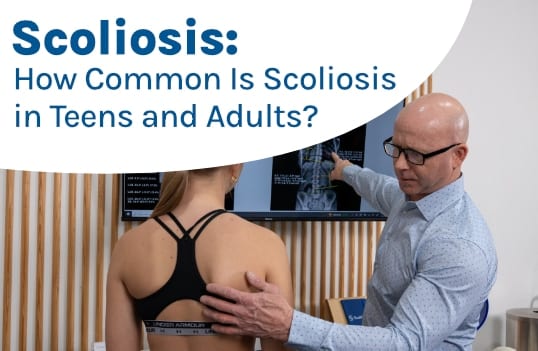
Scoliosis: How Common Is Scoliosis in Teens and Adults?
Scoliosis: How Common Is Scoliosis in Teens and Adults?
With current estimates at close to seven million people currently living with scoliosis in the United States alone, spreading … Read more

With current estimates at close to seven million people currently living with scoliosis in the United States alone, spreading … Read more
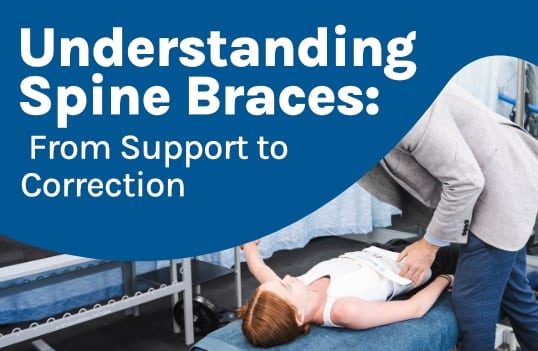
There are different approaches to treating scoliosis. Patients need to be informed about the benefits of different brace types … Read more
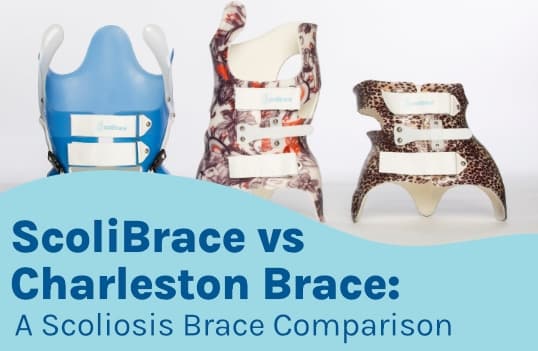
Because scoliosis is progressive, treatment needs are ongoing, and how scoliosis is addressed can shape the spine’s overall health. … Read more
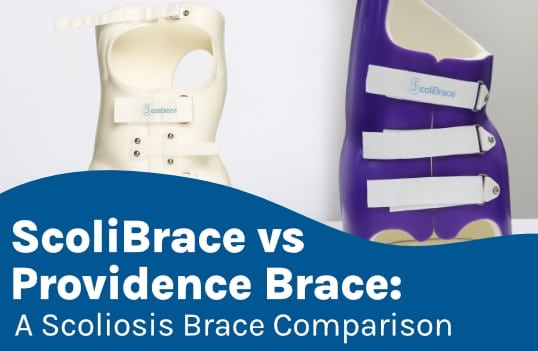
Scoliosis brace design has come a long way over the years. As an early nonsurgical scoliosis treatment option, bracing … Read more

Scoliosis mainly affects the spine and its immediate surroundings, but because the spine attaches directly to the pelvis, it … Read more

Kyphosis and scoliosis are both spinal curve conditions, but they affect the spine in different ways. Kyphosis usually describes … Read more
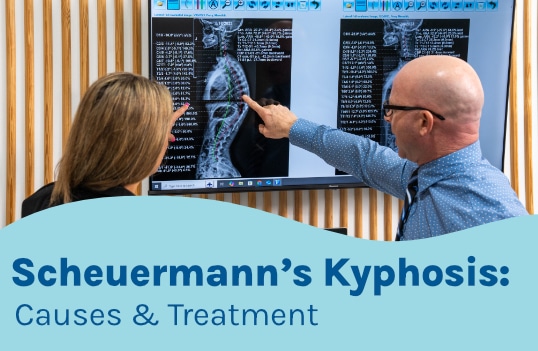
Scheuermann’s kyphosis is a structural spinal condition that usually develops during adolescence and causes the upper back to become … Read more
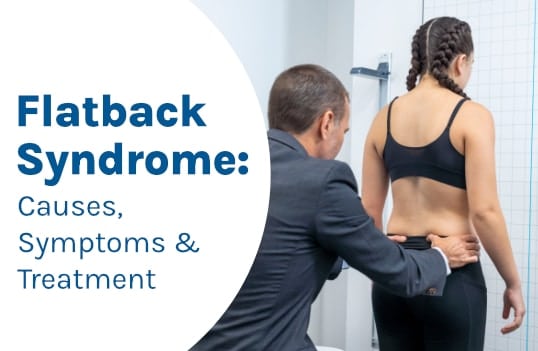
When the lower back loses some of its natural inward curve, it can affect posture, comfort, walking, and the … Read more

When someone with scoliosis develops nerve-like symptoms such as tingling, numbness, weakness, or pain that travels into the arms … Read more
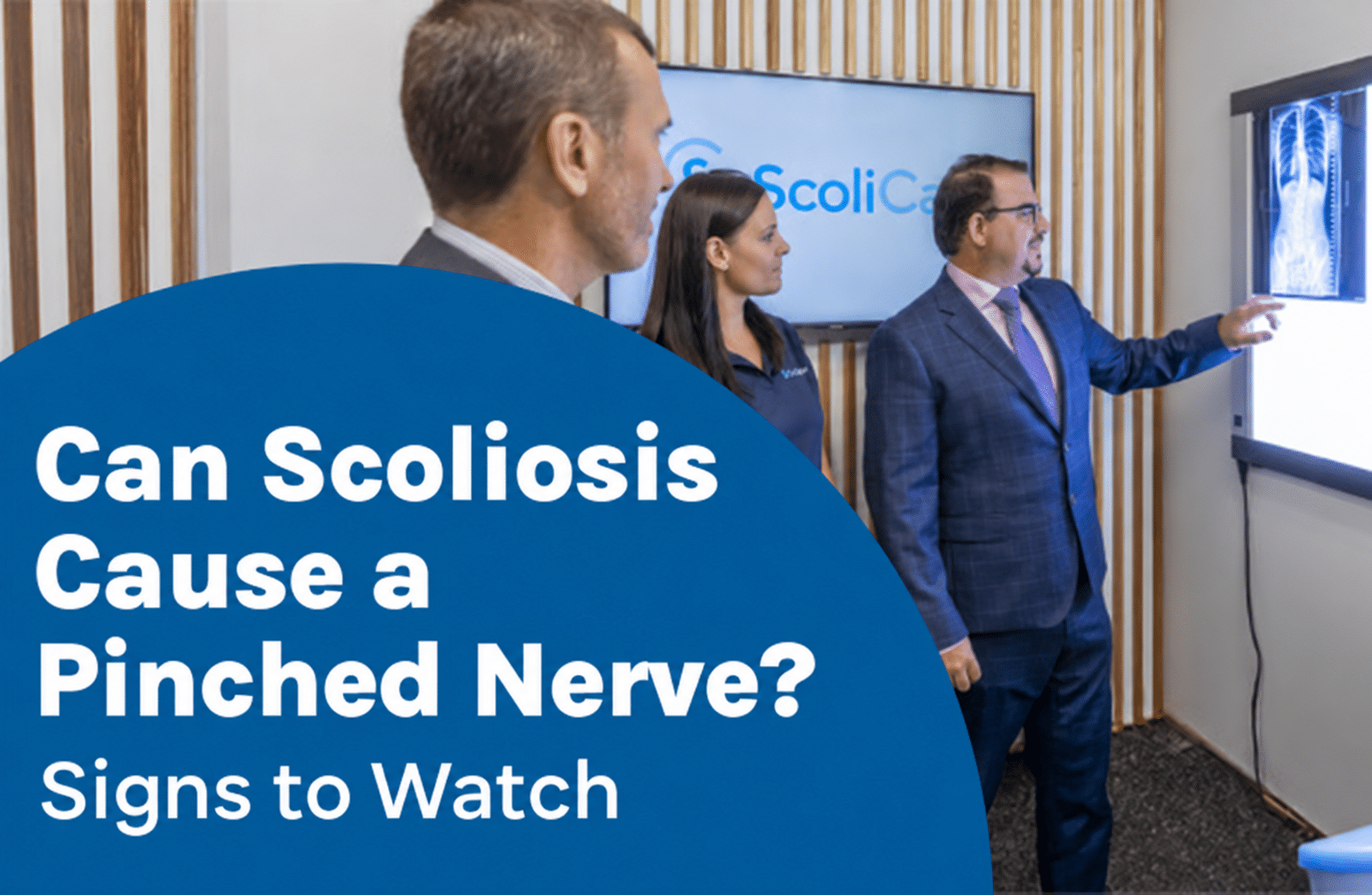
Yes, scoliosis can sometimes contribute to a pinched nerve, especially in adults or in more severe curves. This can … Read more

A common cause of pars defect is repetitive hyperextension and is a common injury in young athletes that repeatedly … Read more

While a variety of physical therapy approaches work towards a similar goal of pain relief and improving mobility, the … Read more
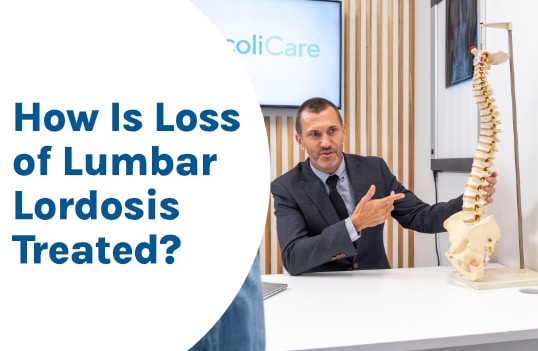
The spine’s natural and healthy curves are key to its overall health. A healthy spine should have its curves … Read more
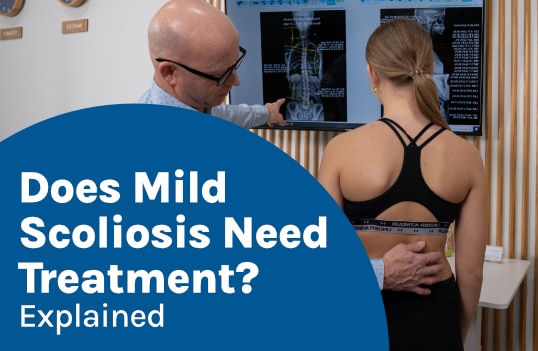
Mild scoliosis does not always need the same level of treatment, but it should be assessed and monitored carefully. … Read more

Scoliosis bracing can play a key role in the treatment of early childhood, adolescent, and adult scoliosis, and when … Read more

Scoliosis is most commonly diagnosed in adolescents but can affect all ages, including older adults. In fact, the actual … Read more
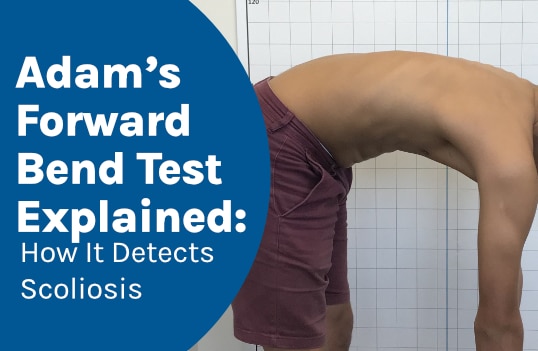
Scoliosis can be difficult to notice early, especially when changes are subtle. That is why knowing the common signs … Read more
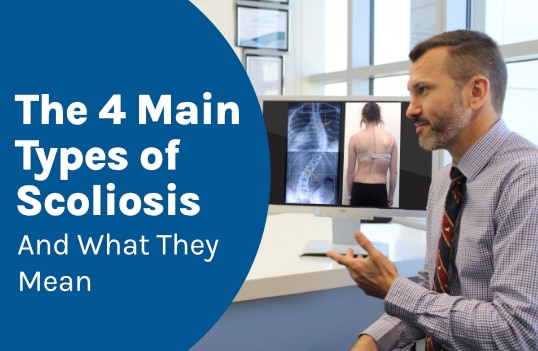
Part of diagnosing scoliosis includes comprehensive assessment to further classify cases by patient age, curve location, severity, and type. … Read more
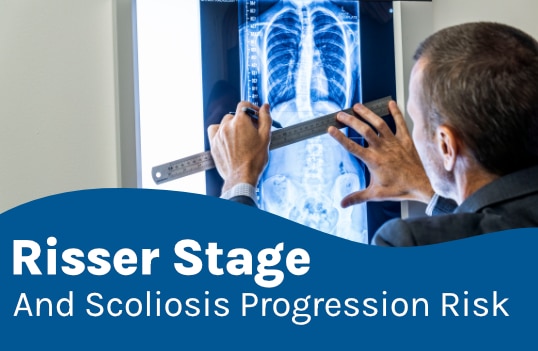
Part of the focus of childhood scoliosis treatment is counteracting progression. Growth is the main trigger for progression, so … Read more

No weight lifting should be attempted before having the activity cleared by a patient’s scoliosis treatment provider. The more … Read more
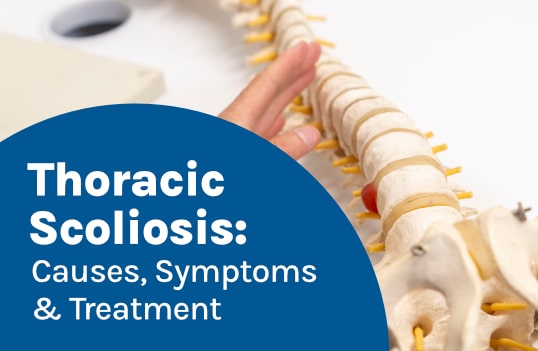
There are many different types of scoliosis with unique causes, symptoms, rates of progression, and treatment needs. Scoliosis causes … Read more

Diagnosing scoliosis should include a comprehensive assessment that determines a number of key scoliosis/patient variables. Scoliosis pain can involve … Read more

Scoliosis symptoms can vary widely and are shaped by a number of factors. While cardiac issues aren’t considered a … Read more
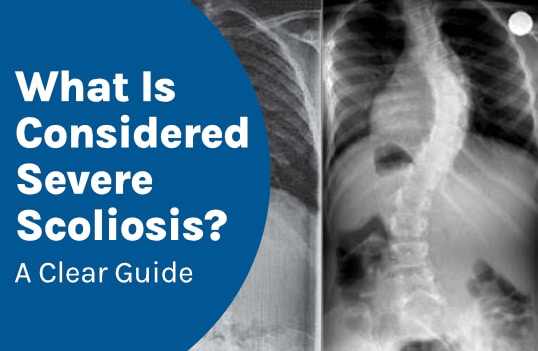
Scoliosis severity is determined by curve size and treatment plans are crafted in response. A number of measurements are … Read more