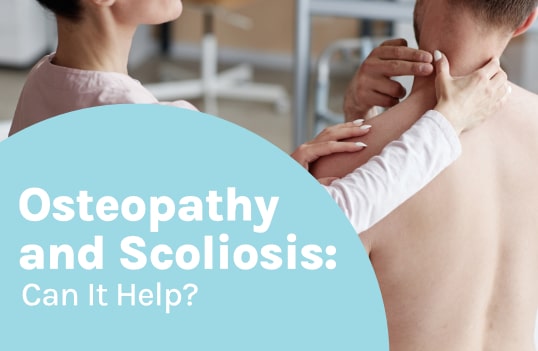
Osteopathy and Scoliosis: Can It Help?
Osteopathy and Scoliosis: Can It Help?
While a variety of physical therapy approaches work towards a similar goal of pain relief and improving mobility, the … Read more

Auto Added by WPeMatico
While a variety of physical therapy approaches work towards a similar goal of pain relief and improving mobility, the … Read more
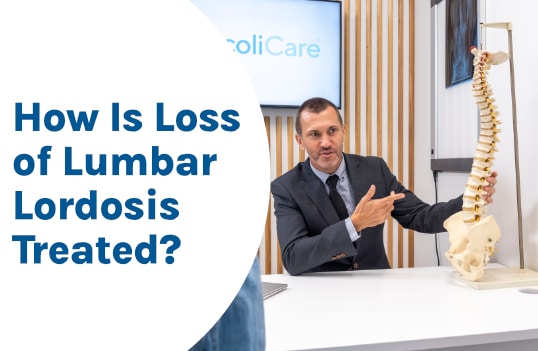
The spine’s natural and healthy curves are key to its overall health. A healthy spine should have its curves … Read more
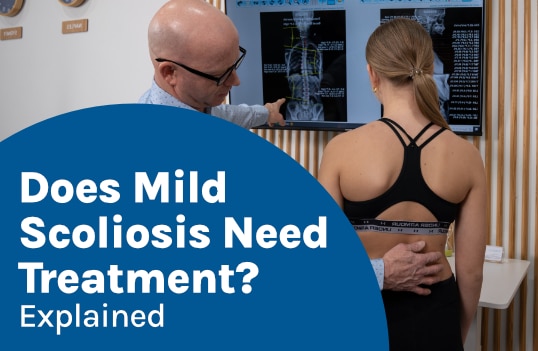
Mild scoliosis does not always need the same level of treatment, but it should be assessed and monitored carefully. … Read more
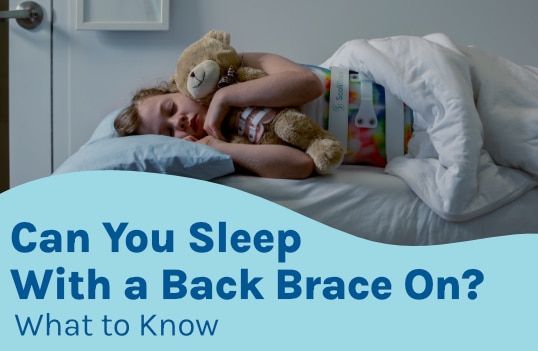
Scoliosis bracing can play a key role in the treatment of early childhood, adolescent, and adult scoliosis, and when … Read more
Scoliosis is most commonly diagnosed in adolescents but can affect all ages, including older adults. In fact, the actual … Read more
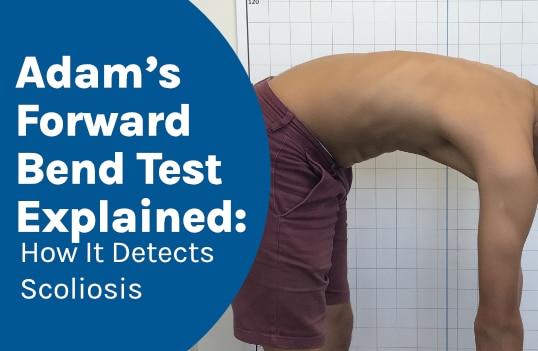
Scoliosis can be difficult to notice early, especially when changes are subtle. That is why knowing the common signs … Read more
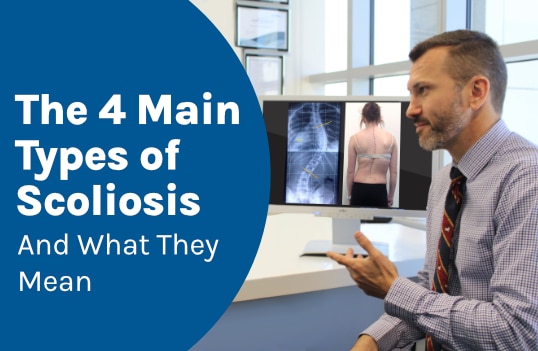
Part of diagnosing scoliosis includes comprehensive assessment to further classify cases by patient age, curve location, severity, and type. … Read more
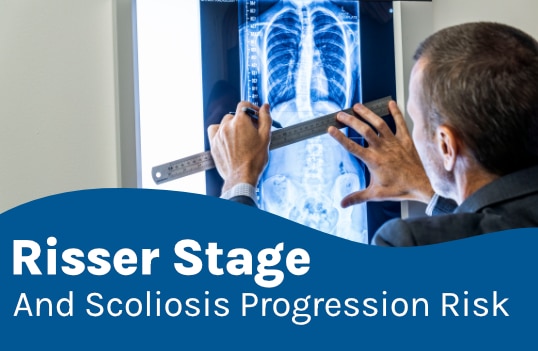
Part of the focus of childhood scoliosis treatment is counteracting progression. Growth is the main trigger for progression, so … Read more
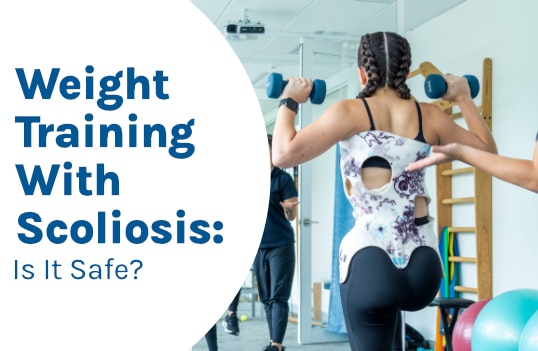
No weight lifting should be attempted before having the activity cleared by a patient’s scoliosis treatment provider. The more … Read more
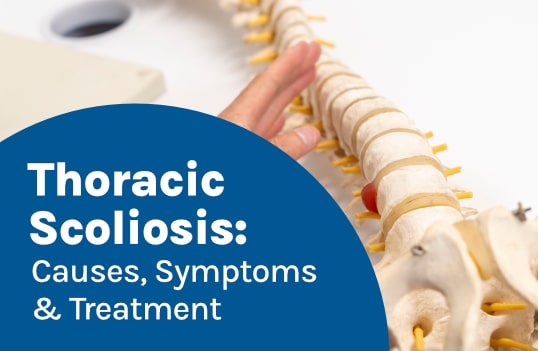
There are many different types of scoliosis with unique causes, symptoms, rates of progression, and treatment needs. Scoliosis causes … Read more
Diagnosing scoliosis should include a comprehensive assessment that determines a number of key scoliosis/patient variables. Scoliosis pain can involve … Read more

Scoliosis symptoms can vary widely and are shaped by a number of factors. While cardiac issues aren’t considered a … Read more
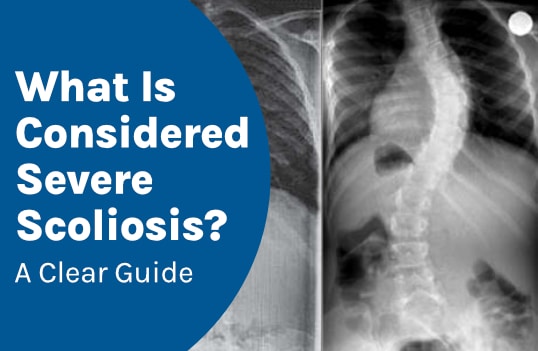
Scoliosis severity is determined by curve size and treatment plans are crafted in response. A number of measurements are … Read more
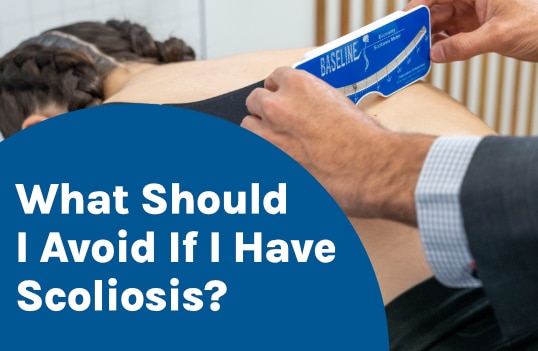
While no two cases of scoliosis are the same, there are certain activities and lifestyle factors that may need … Read more
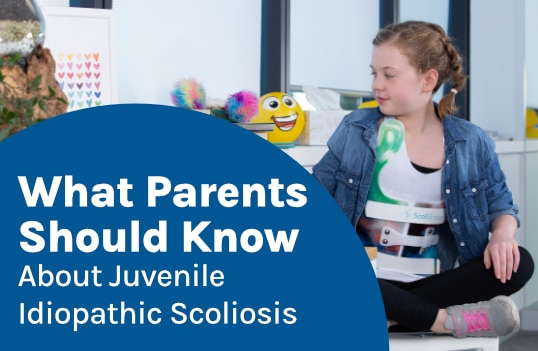
Juvenile scoliosis is idiopathic, but we know it’s growth that makes it progress, and we understand the importance of … Read more
Sciatica refers to symptoms of pain and discomfort felt along the sciatic nerve’s pathway. Lumbar scoliosis in adults is … Read more
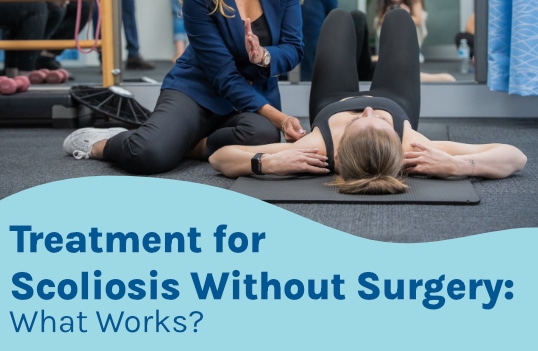
Evidence-based nonsurgical scoliosis treatment includes scoliosis-specific rehabilitative exercise, corrective bracing, and the potential of Chiropractic BioPhysics® as an adjunctive … Read more
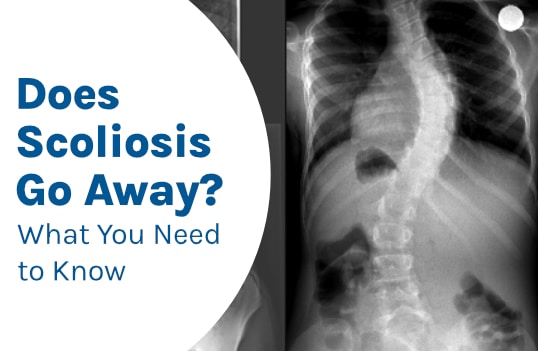
The majority of scoliosis cases are progressive, and the main trigger for progression is growth, so most cases of … Read more
Scoliosis causes the spine to curve and rotate unnaturally, and common effects include postural changes, mobility changes, and pain. … Read more
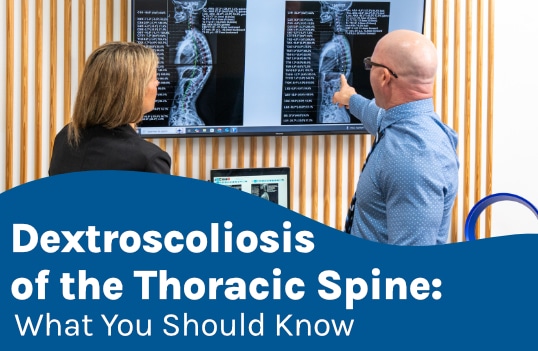
Scoliosis ranges widely in severity, and there are also different types with a variety of curve patterns. A comprehensive … Read more
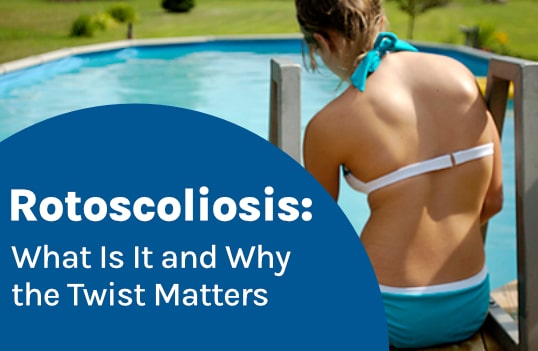
Scoliosis severity is determined by a measurement known as Cobb angle that’s based on curve size, but a patient’s … Read more
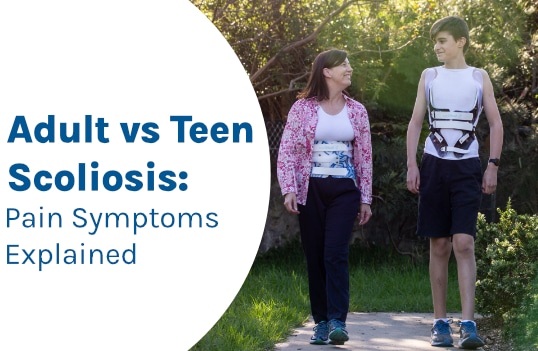
In addition to pain, scoliosis can cause postural changes and disruptions to balance, coordination, and gait. There are a … Read more
Like the rest of the body, the spine will experience degenerative changes with age and the cumulative effect of … Read more
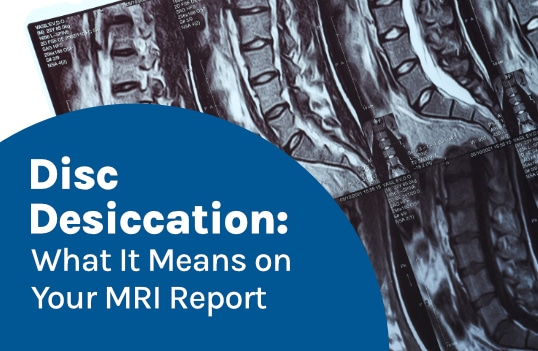
Magnetic resonance imaging (MRI) is a noninvasive diagnostic tool that captures high-resolution 3-dimensional images of an area in question, … Read more