


Scoliosis and Genetics: Exploring the Connection
Scoliosis and Genetics: Exploring the Connection
The connection between scoliosis and genetics isn’t fully clear; the cause does depend on the type in question, and the … Read more


ScoliCare Clinics, affiliates and product providers are in over 200 locations around the world. Find your nearest ScoliCare location here.

The connection between scoliosis and genetics isn’t fully clear; the cause does depend on the type in question, and the … Read more
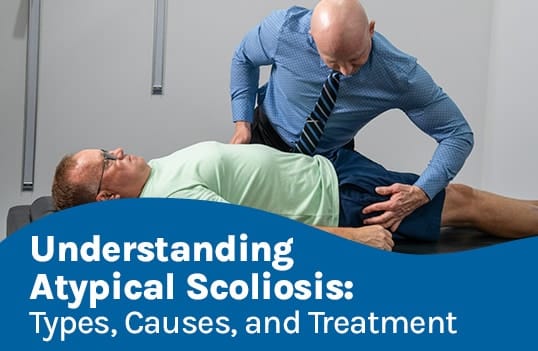
Scoliosis treatment plans need to be customized because there are multiple severity levels, age groups affected, and types of scoliosis. … Read more
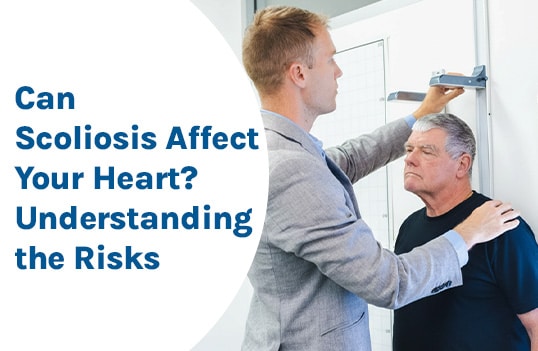
The most common symptoms of scoliosis include asymmetrical posture and back pain. Postural changes are the earliest signs of childhood … Read more
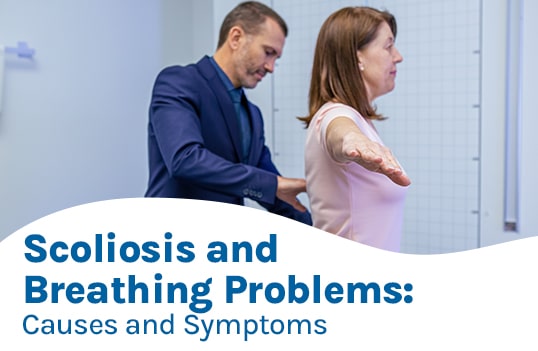
Scoliosis can affect people differently, but common symptoms involve postural and mobility changes, and pain. Breathing problems aren’t common in … Read more
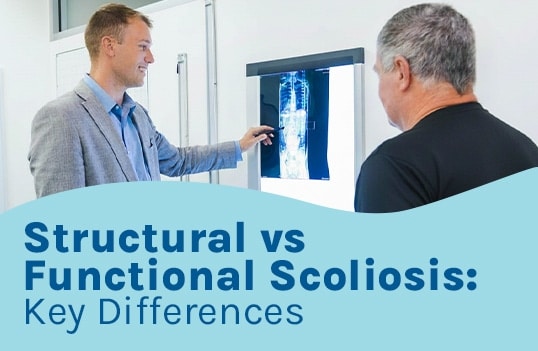
There are a number of conditions that affect the spine by causing an unnatural spinal curve to develop, but scoliosis … Read more
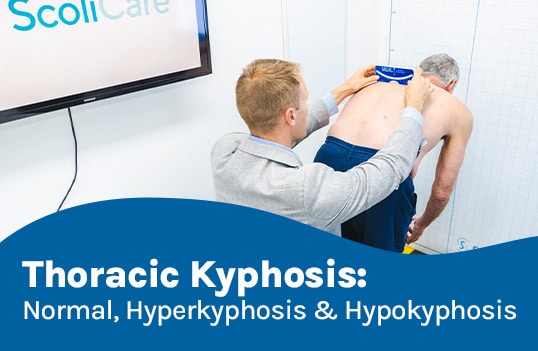
As the body’s main structural support, the spine plays a number of key roles in overall health. For healthy movement … Read more
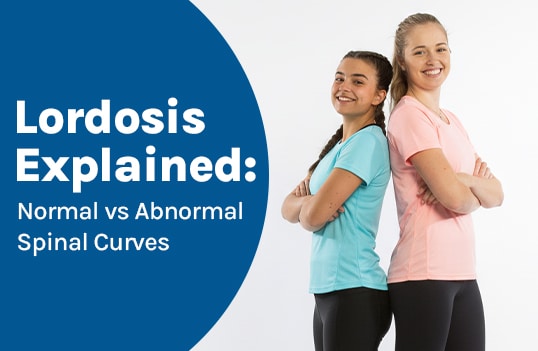
The spine’s healthy curves are important; they make the spine stronger and less vulnerable to injury, more flexible with a … Read more
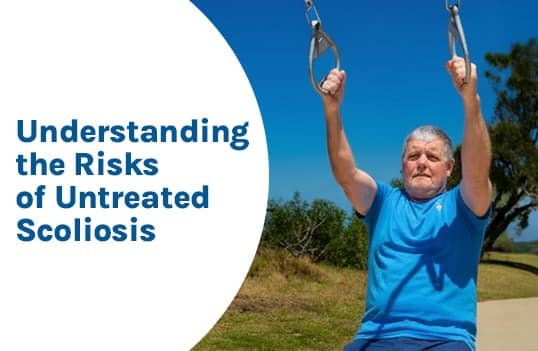
Scoliosis is progressive, so its nature is to get more severe over time, but in many cases, it’s highly treatable. … Read more
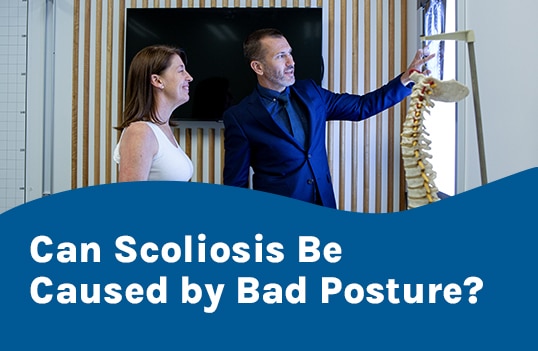
The spine plays many key roles in overall health, including facilitating the ability to stand upright and practice healthy posture. … Read more
Scoliosis is an unnatural lateral spinal curvature, but its effects can be felt throughout the body. The more severe scoliosis … Read more
Understanding the signs and symptoms of scoliosis can lead to early diagnosis and intervention. There are never treatment guarantees, but … Read more
No two scoliosis cases are the same. Scoliosis can range widely in severity, affect all ages, and progress at different … Read more
The thoracic spine is the largest spinal section, and its health and function is shaped, in part, by its degree … Read more
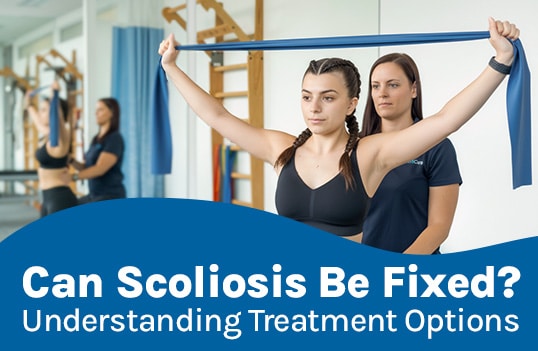
There are no treatment guarantees, but the sooner scoliosis is diagnosed and treated, the better. The best way to increase … Read more
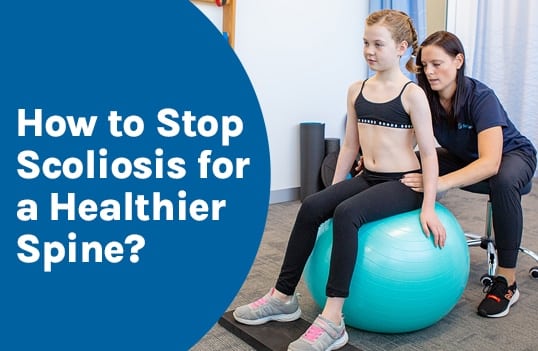
When it comes to understanding scoliosis treatment efficacy, this involves the importance of early detection and intervention. The best way … Read more
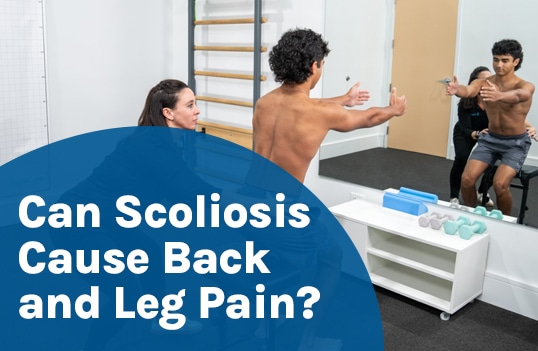
The effects of scoliosis can be felt throughout the body. While not all patients will experience scoliosis pain, the more … Read more

When it comes to scoliosis rehabilitation, progress doesn’t just happen in the clinic, it happens in the moments between sessions. … Read more

To reach a scoliosis diagnosis, an X-ray is needed to determine the size of the curve and the presence of … Read more

What’s more likely than a scoliosis misdiagnosis is diagnosing scoliosis late in its progressive line. Despite the potential benefits of … Read more

Childhood scoliosis affects children of all ages, and adolescent idiopathic scoliosis is the most common type. Adult scoliosis is diagnosed … Read more

Scoliosis-related pain can involve the back muscles, spinal structures, and nerves, leading to radiating pain. Chest pain is most closely … Read more
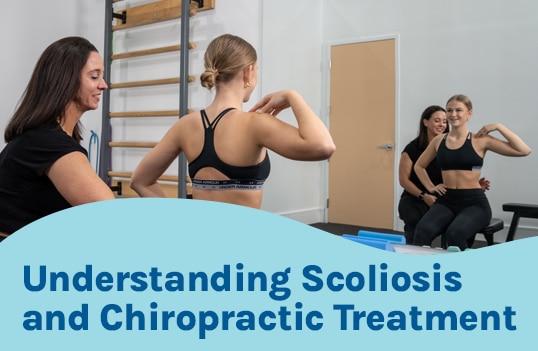
There is more than one way to treat scoliosis, and the right treatment plan can improve the spine’s long-term health … Read more
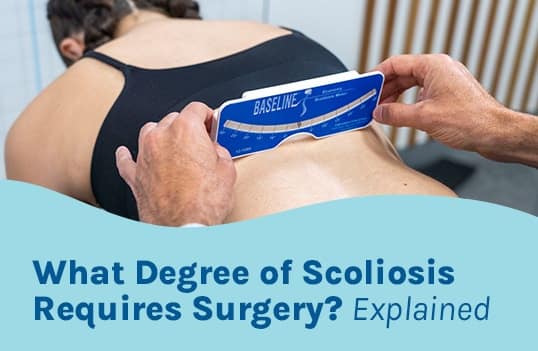
Not all cases of scoliosis require surgery; many are responsive to nonsurgical treatment, and while there are never treatment guarantees, … Read more
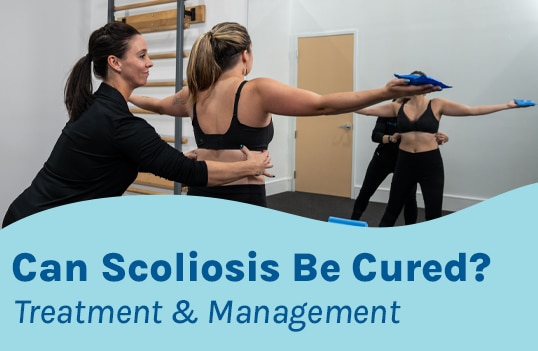
Scoliosis progression is triggered by growth spurts, so adolescents are the most at risk for rapid advancement. The key to … Read more