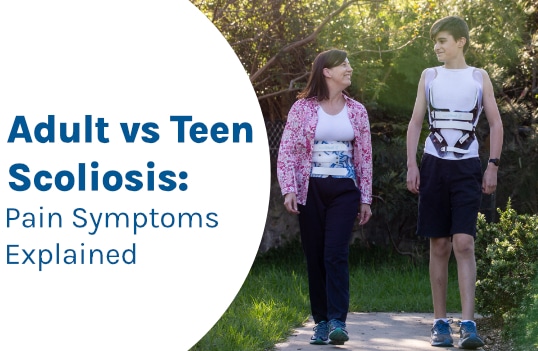
Adult vs Teen Scoliosis Pain Symptoms Explained
Adult vs Teen Scoliosis Pain Symptoms Explained
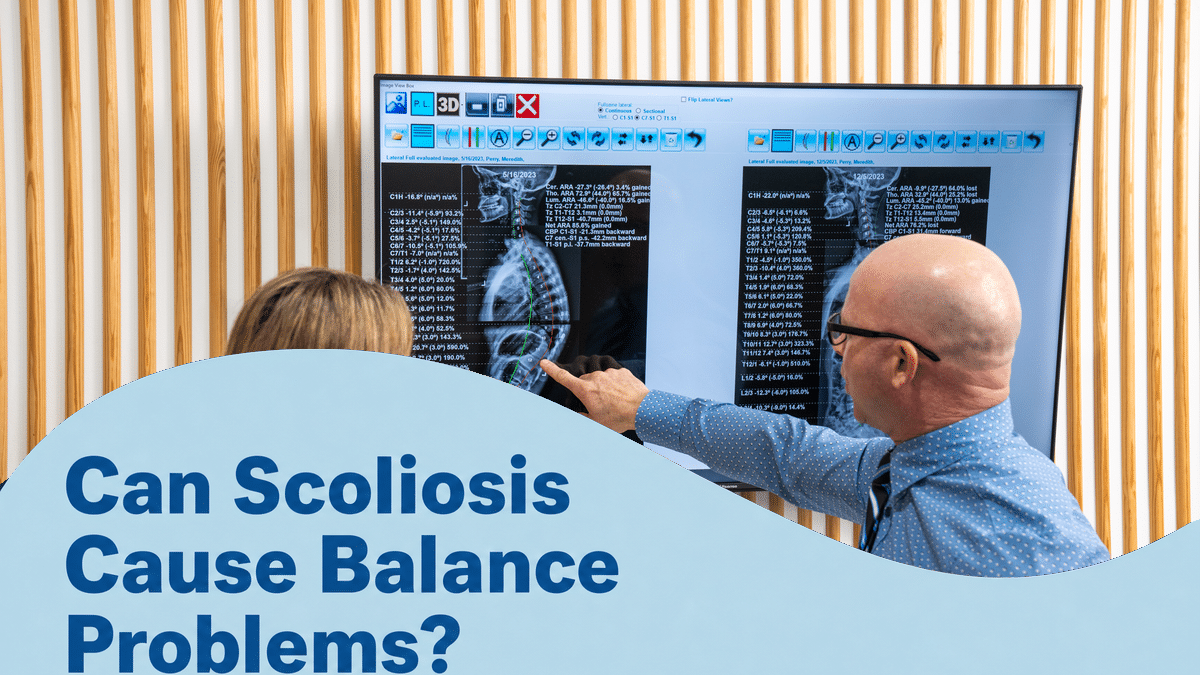
In addition to pain, scoliosis can cause postural changes and disruptions to balance, coordination, and gait. There are a number … Read more

Auto Added by WPeMatico
In addition to pain, scoliosis can cause postural changes and disruptions to balance, coordination, and gait. There are a number … Read more
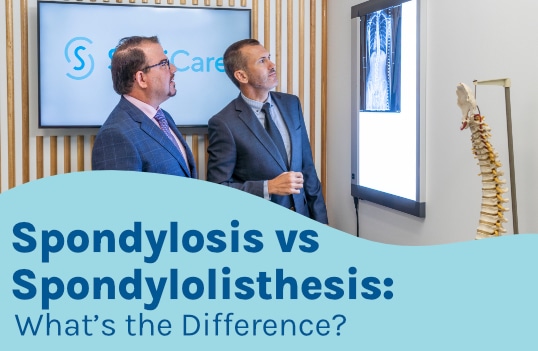
Like the rest of the body, the spine will experience degenerative changes with age and the cumulative effect of lifestyle … Read more
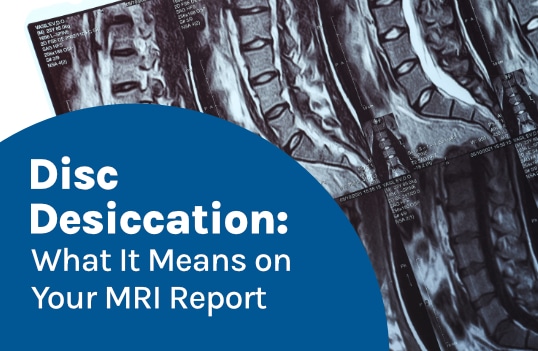
Magnetic resonance imaging (MRI) is a noninvasive diagnostic tool that captures high-resolution 3-dimensional images of an area in question, including … Read more
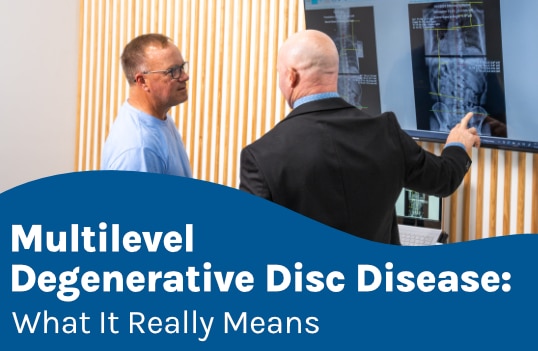
The spine’s intervertebral discs shape overall spinal health in a number of ways. Most degenerative changes in the spine start … Read more
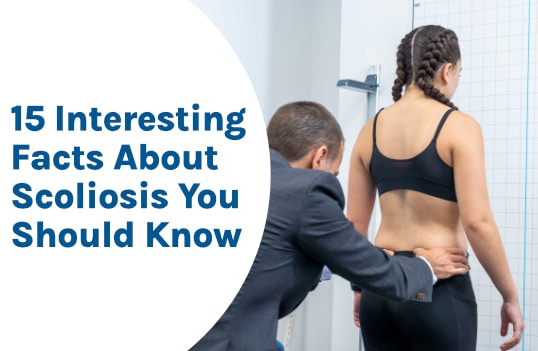
Current estimates have close to seven million people living with scoliosis in the United States alone. While there are no … Read more

Spinal health can be shaped by a number of lifestyle choices and factors; preserving its health and function involves maintaining … Read more
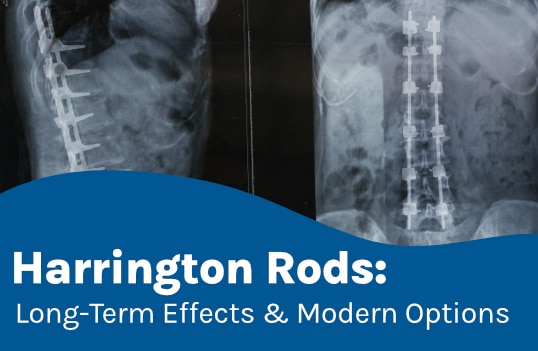
Spinal fusion surgery has the goal of stopping progression. Harrington rods revolutionized spinal fusion surgery in the mid-20th century, but … Read more
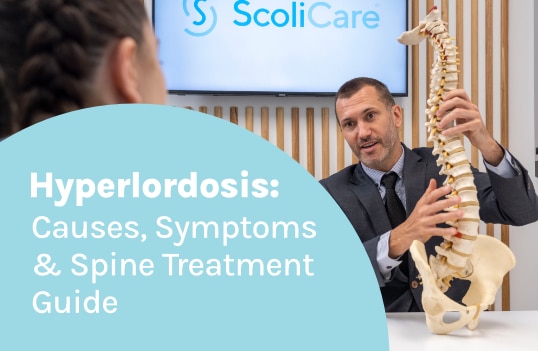
Lordosis refers to an inward spinal curve, and while there is a healthy range of lordosis, if a person’s lordosis … Read more
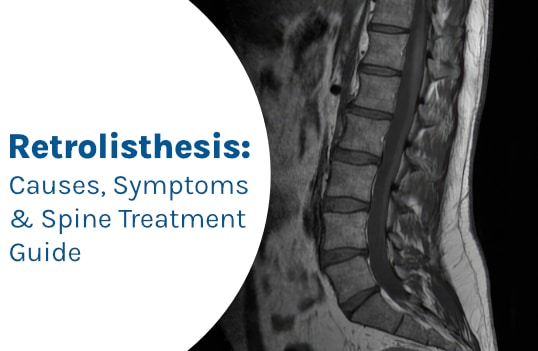
Retrolisthesis causes a vertebra to slip backwards onto the vertebral body below. Vertebrae that aren’t stacked on top of one … Read more
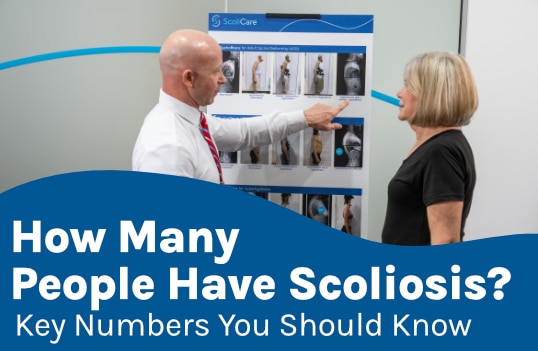
Scoliosis causes the spine to develop an unnatural lateral spinal curvature that rotates, and while most people have heard of … Read more
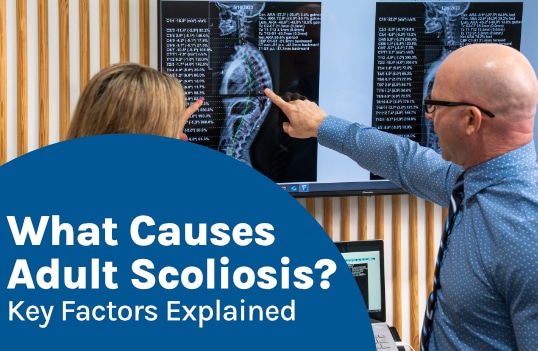
While childhood scoliosis is more commonly diagnosed, the rate of scoliosis increases among the aging population, and this is due … Read more
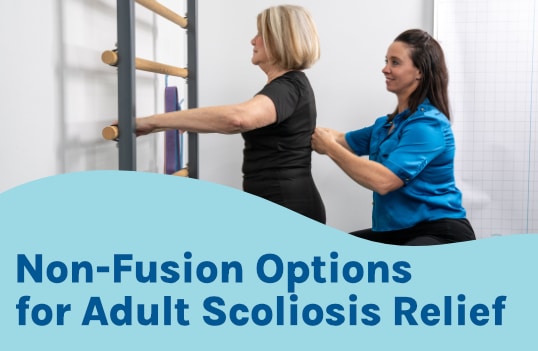
Not all cases of adult scoliosis develop in adulthood. The main type to affect adults is pre-existing, likely from adolescence, … Read more
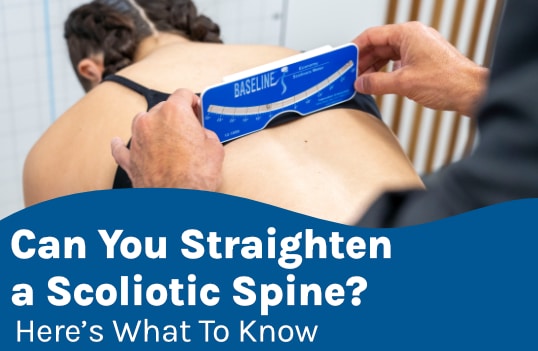
Progressive conditions can be more complex to treat because their nature is to get worse over time, so successful treatment … Read more

Scoliosis affects the spine by causing an unnatural lateral curvature to develop that also rotates, and osteoporosis is a bone … Read more
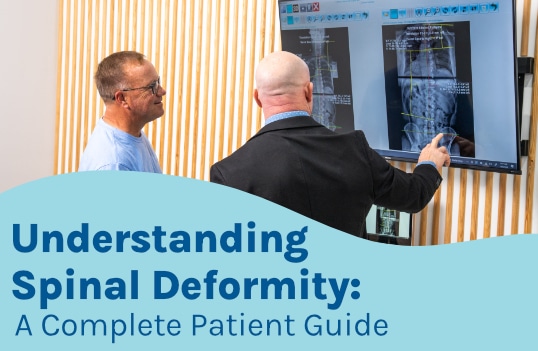
A healthy spine has its vertebrae aligned and its natural curves in place. If the spine’s alignment changes and deviates … Read more
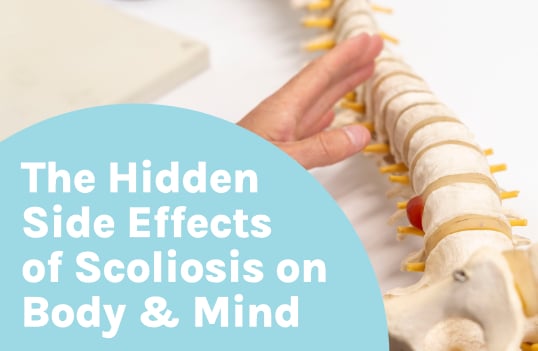
As scoliosis is progressive, its effects can increase over time, becoming more widespread. While many scoliosis effects are visual, less-obvious … Read more

Modern treatment options for teen scoliosis patients include traditional spinal fusion surgery or conservative nonsurgical treatment. Here at ScoliCare, patients … Read more
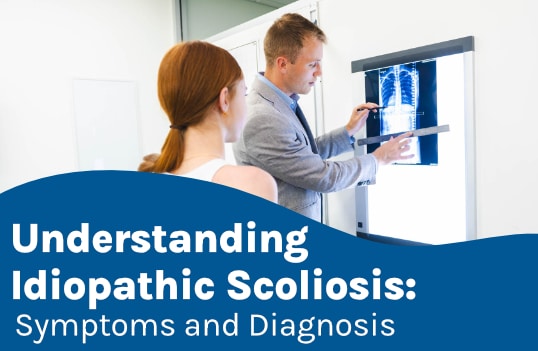
Understanding idiopathic scoliosis and the potential benefits of early diagnosis is crucial, especially for parents. We don’t know what causes … Read more
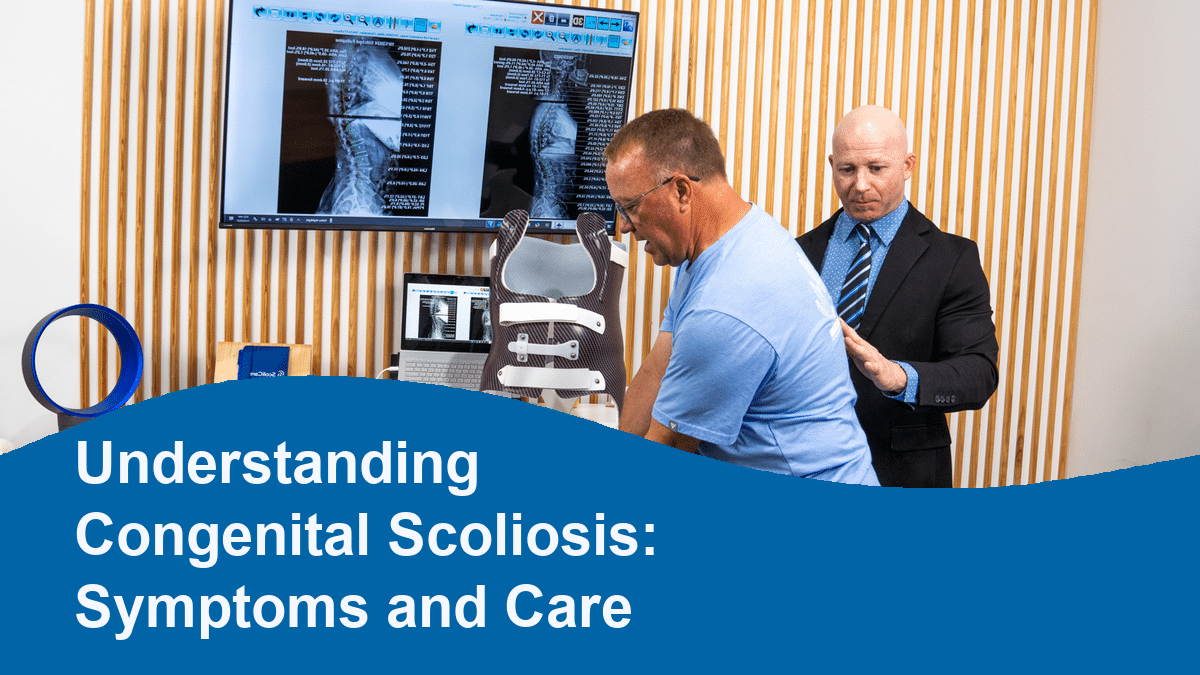
Part of diagnosing scoliosis involves further classifying cases based on key variables, and the more thorough and accurate a patient’s … Read more
What you need to know about scoliosis is that while treatment results can never be guaranteed, many potential effects can … Read more

There are a number of factors that shape a patient’s potential experience with scoliosis, one of which is the type … Read more

There are different types of scoliosis with varying severity levels and causes. While most cases of scoliosis are idiopathic, scoliosis … Read more

The spine’s healthy curves, when viewed from the side, increase its strength, flexibility, and ability to handle mechanical stress. The … Read more

A Dowager’s hump commonly affects older females and refers to an excessive rounded-forward appearance of the upper back at the … Read more