
Tools & Accessories
Using the right tools for scoliosis assessment and diagnosis helps get the best results for patients. Only health professionals can purchase from our shop.
-
 How to Sleep with Scoliosis: Best Positions & TipsBuy Now:
Scoliosis causes the spine to curve and rotate unnaturally, and common effects include postural changes, mobility changes, and pain. While not everyone with scoliosis experiences pain and sleeping issues, they are common effects, and knowing the best sleeping positions for spinal health can help. When it comes to sleeping with scoliosis, it’s important to understand…
How to Sleep with Scoliosis: Best Positions & Tips -
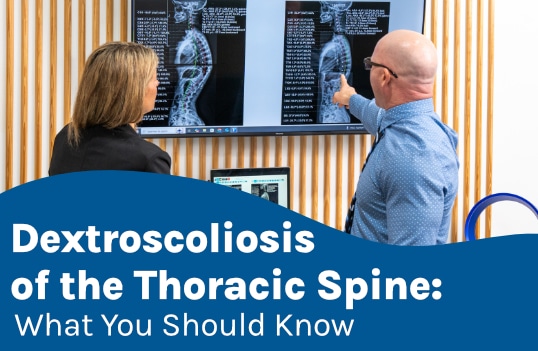
Dextroscoliosis of the Thoracic Spine: What You Should Know
Buy Now: Dextroscoliosis of the Thoracic Spine: What You Should KnowScoliosis ranges widely in severity, and there are also different types with a variety of curve patterns. A comprehensive initial assessment classifies scoliosis based on patient age, type, severity, and curve location, and these factors shape the customization of treatment plans. Dextroscoliosis of the thoracic spine means the middle/upper back has developed an unnatural spinal…
-
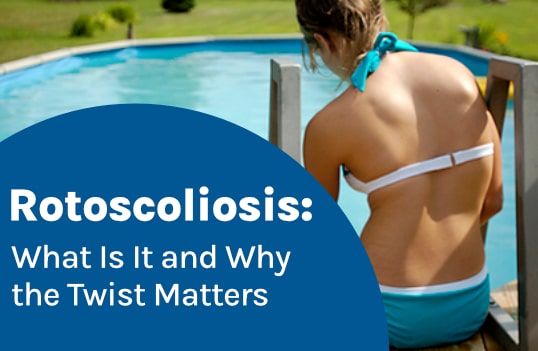
Rotoscoliosis: What Is It and Why the Twist Matters
Buy Now: Rotoscoliosis: What Is It and Why the Twist MattersScoliosis severity is determined by a measurement known as Cobb angle that’s based on curve size, but a patient’s angle of rotation (ATR) is also important because it shapes symptoms and treatment needs. High degrees of rotation are most closely associated with severe thoracic scoliosis and/or neuromuscular scoliosis. Rotoscoliosis is severe because it involves an…
-
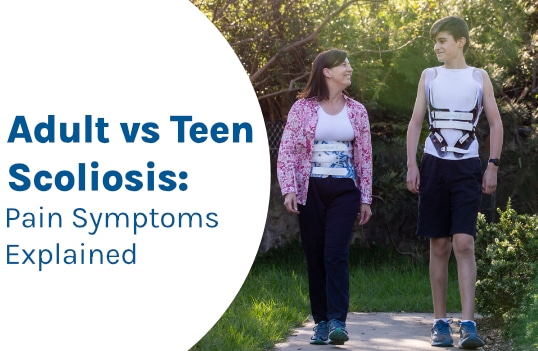
Adult vs Teen Scoliosis Pain Symptoms Explained
Buy Now: Adult vs Teen Scoliosis Pain Symptoms ExplainedIn addition to pain, scoliosis can cause postural changes and disruptions to balance, coordination, and gait. There are a number of factors that shape whether a patient’s scoliosis is painful, one of which is compression. Skeletal maturity plays a role in when scoliosis becomes compressive. There are some key differences between adolescent and adult scoliosis;…
-
Spondylosis vs Spondylolisthesis: What’s the Difference?
Buy Now: Spondylosis vs Spondylolisthesis: What’s the Difference?Like the rest of the body, the spine will experience degenerative changes with age and the cumulative effect of lifestyle factors. Spondylosis refers to general degenerative changes in the spine, affecting the discs and joints; spondylolisthesis, however, references the specific occurrence of a slipped vertebra. Both spondylosis and spondylolisthesis involve changes to spinal health and…
-

Disc Desiccation: What It Means on Your MRI Report
Buy Now: Disc Desiccation: What It Means on Your MRI ReportMagnetic resonance imaging (MRI) is a noninvasive diagnostic tool that captures high-resolution 3-dimensional images of an area in question, including soft tissue, bones, and organs. Disc desiccation is part of the degenerative process and contributes to degenerative disc disease (DDD). Disc desiccation can occur naturally with age. When we’re born, the discs are made largely…
-

Multilevel Degenerative Disc Disease: What It Really Means
Buy Now: Multilevel Degenerative Disc Disease: What It Really MeansThe spine’s intervertebral discs shape overall spinal health in a number of ways. Most degenerative changes in the spine start with the discs; they perform a number of key functions to facilitate the spine’s flexibility, structure, and ability to handle stress. Multilevel degenerative disc disease involves the spine’s intervertebral discs degenerating in more than one…
-
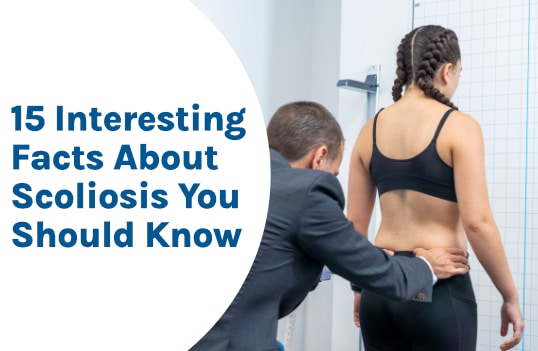
15 Interesting Facts About Scoliosis You Should Know
Buy Now: 15 Interesting Facts About Scoliosis You Should KnowCurrent estimates have close to seven million people living with scoliosis in the United States alone. While there are no treatment guarantees, many cases are highly treatable, and early detection and intervention increases the scope of nonsurgical treatment. There are a number of conditions that affect the spine, but scoliosis has some interesting characteristics that…
-
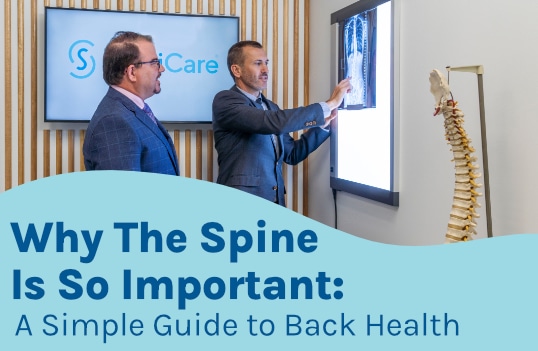
Why the Spine Is So Important: A Simple Guide to Back Health
Buy Now: Why the Spine Is So Important: A Simple Guide to Back HealthSpinal health can be shaped by a number of lifestyle choices and factors; preserving its health and function involves maintaining a healthy weight, activity level, and strong supportive muscles. A spine-friendly lifestyle can slow age-related degenerative changes in the spine. Maintaining core strength is key. Spinal health is important for quality of life. A healthy…
-
 Harrington Rods: Long-Term Effects & Modern OptionsBuy Now:
Spinal fusion surgery has the goal of stopping progression. Harrington rods revolutionized spinal fusion surgery in the mid-20th century, but have since been replaced by alternative spinal instrumentation and modern nonsurgical treatment options. Harrington rods are stainless steel implants used in spinal fusion surgery. Invented in the 1950s as revolutionary surgical instrumentation of the time,…
Harrington Rods: Long-Term Effects & Modern Options -
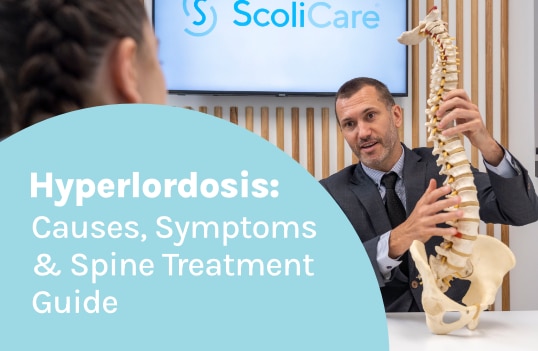 Hyperlordosis: Causes, Symptoms & Spine Treatment GuideBuy Now:
Lordosis refers to an inward spinal curve, and while there is a healthy range of lordosis, if a person’s lordosis is excessive, it can disrupt the spine’s overall health and biomechanics. Common causes for hyperlordosis include weak and/or unbalanced core muscles, chronic poor posture, and obesity. Hyperlordosis is an excessive inward spinal curvature that commonly…
Hyperlordosis: Causes, Symptoms & Spine Treatment Guide -
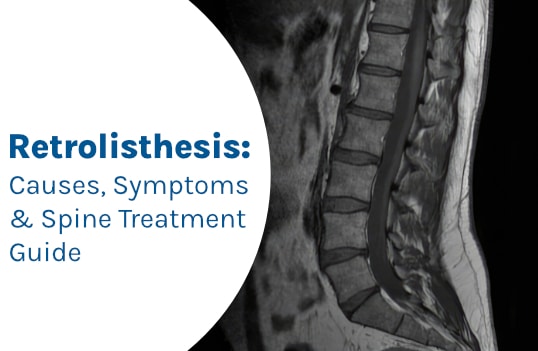 Retrolisthesis: Causes, Symptoms & Spine Treatment GuideBuy Now:
Retrolisthesis causes a vertebra to slip backwards onto the vertebral body below. Vertebrae that aren’t stacked on top of one another as they were designed interferes with neutral alignment, which disrupts the spine’s balance and stability. This can further disrupt healthy posture and movement patterns. Retrolisthesis affects the spine by causing a vertebral body to…
Retrolisthesis: Causes, Symptoms & Spine Treatment Guide -
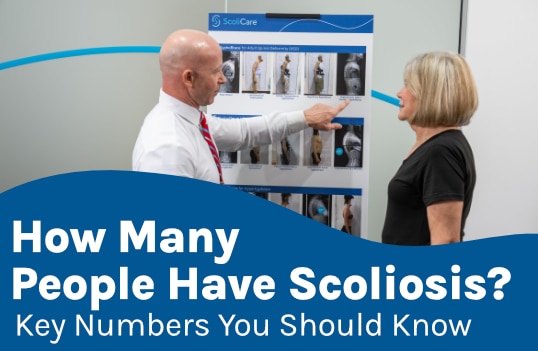
How Many People Have Scoliosis? Key Numbers You Should Know
Buy Now: How Many People Have Scoliosis? Key Numbers You Should KnowScoliosis causes the spine to develop an unnatural lateral spinal curvature that rotates, and while most people have heard of scoliosis, its prevalence may be surprising. Scoliosis is the leading spinal condition among school-aged children, but it also affects adults of all ages. Current estimates have close to seven million people diagnosed with scoliosis in…
-

What Causes Adult Scoliosis? Key Factors Explained
Buy Now: What Causes Adult Scoliosis? Key Factors ExplainedWhile childhood scoliosis is more commonly diagnosed, the rate of scoliosis increases among the aging population, and this is due to the development of degenerative scoliosis. As scoliosis progression is triggered by growth, it was once thought that progression stopped once skeletal maturity was reached, but years of observation have shown that adult scoliosis can…
-

Non-Fusion Options for Adult Scoliosis Relief
Buy Now: Non-Fusion Options for Adult Scoliosis ReliefNot all cases of adult scoliosis develop in adulthood. The main type to affect adults is pre-existing, likely from adolescence, but doesn’t get diagnosed until after skeletal maturity is reached, and degenerative scoliosis affects older adults experiencing degenerative instability. Traditional scoliosis treatment often involves spinal fusion surgery, but there are also nonsurgical treatment options for…
-
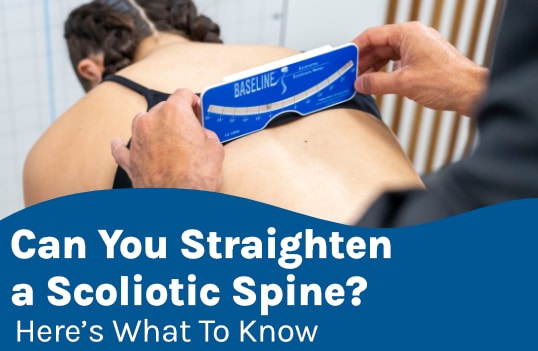
Can You Straighten a Scoliotic Spine? Here’s What To Know
Buy Now: Can You Straighten a Scoliotic Spine? Here’s What To KnowProgressive conditions can be more complex to treat because their nature is to get worse over time, so successful treatment has to work towards counteracting that tendency. What’s important to know about scoliosis treatment is the earlier scoliosis is diagnosed and addressed, the more potential there is for treatment success. Scoliosis is often progressive, so…
-
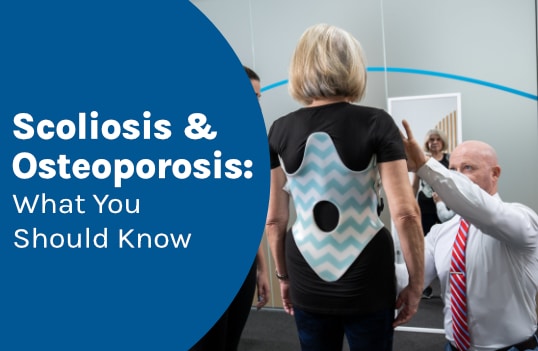 Scoliosis & Osteoporosis: What You Should KnowBuy Now:
Scoliosis affects the spine by causing an unnatural lateral curvature to develop that also rotates, and osteoporosis is a bone disease that causes a loss of bone tissue, making bones weak and vulnerable to injury. If osteoporosis develops in the spine, it can contribute to scoliosis progression and/or the onset of degenerative scoliosis, particularly in…
Scoliosis & Osteoporosis: What You Should Know -

Understanding Spinal Deformity: A Complete Patient Guide
Buy Now: Understanding Spinal Deformity: A Complete Patient GuideA healthy spine has its vertebrae aligned and its natural curves in place. If the spine’s alignment changes and deviates from its straight position, it can become problematic and considered a spinal deformity. A typical healthy spine has a soft ‘S’ shape when viewed from either side: maintained by each spinal section’s curve. If the…
-
 The Hidden Side Effects of Scoliosis on Body & MindBuy Now:
As scoliosis is progressive, its effects can increase over time, becoming more widespread. While many scoliosis effects are visual, less-obvious effects can also develop. It’s not just the spine that’s affected by scoliosis, but also its surrounding muscles and nerves. In addition, mental health can also be affected. Scoliosis causes an unnatural lateral spinal curvature…
The Hidden Side Effects of Scoliosis on Body & Mind -

Modern Treatment Options for Teen Scoliosis Patients
Buy Now: Modern Treatment Options for Teen Scoliosis PatientsModern treatment options for teen scoliosis patients include traditional spinal fusion surgery or conservative nonsurgical treatment. Here at ScoliCare, patients benefit from a proactive and modern nonsurgical approach that offers a less-invasive alternative to spinal surgery. Scoliosis affects all ages, but the most-common type is adolescent idiopathic scoliosis. Modern nonsurgical treatment options are integrative, proactive,…
-
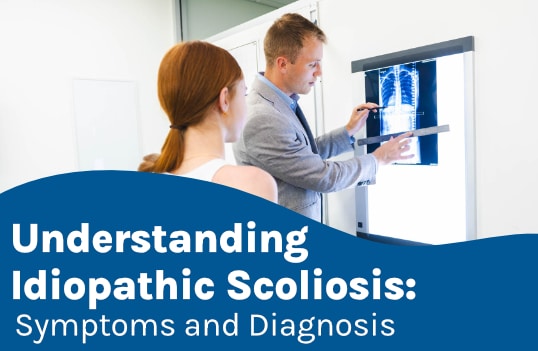
Understanding Idiopathic Scoliosis: Symptoms and Diagnosis
Buy Now: Understanding Idiopathic Scoliosis: Symptoms and DiagnosisUnderstanding idiopathic scoliosis and the potential benefits of early diagnosis is crucial, especially for parents. We don’t know what causes the initial onset of idiopathic scoliosis, but we understand the main trigger for progressive scoliosis: growth. Idiopathic scoliosis accounts for the majority of scoliosis cases, has no single-known cause, and is diagnosed through a physical…
-

Understanding Congenital Scoliosis: Symptoms and Care Options
Buy Now: Understanding Congenital Scoliosis: Symptoms and Care OptionsPart of diagnosing scoliosis involves further classifying cases based on key variables, and the more thorough and accurate a patient’s initial assessment, the more customized a treatment plan can be. When it comes to congenital scoliosis patients, these cases can present with additional congenital abnormalities so require thorough assessment. Congenital scoliosis is a rare type…
-
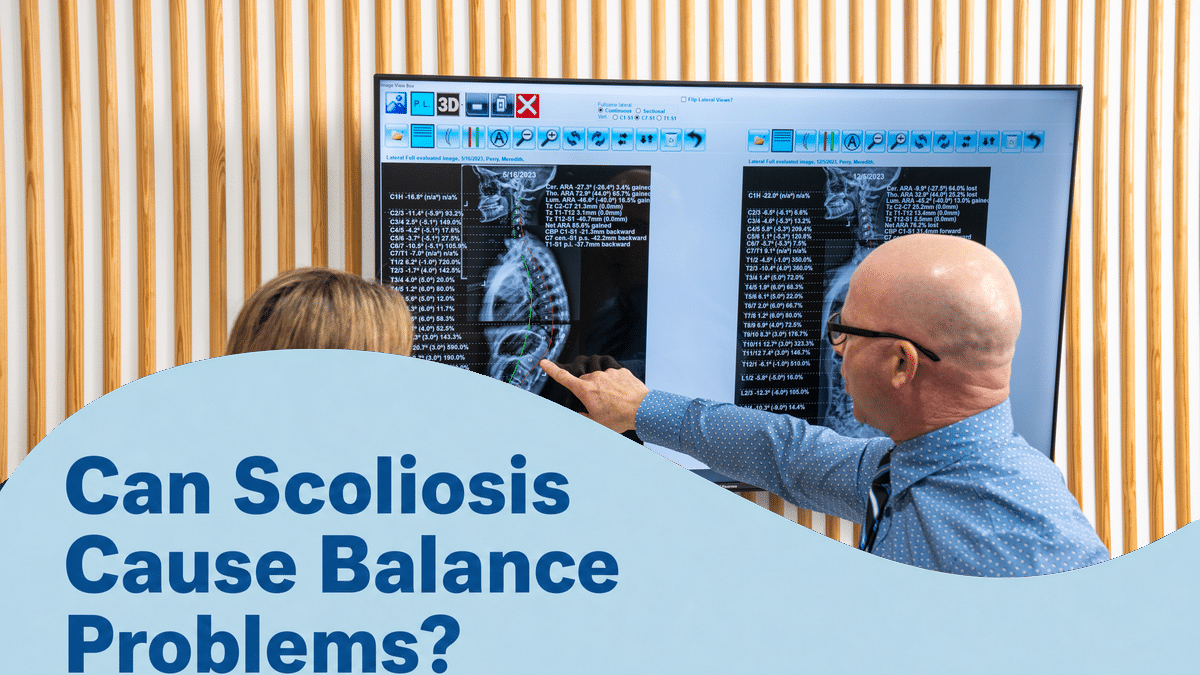
Can Scoliosis Cause Balance Problems? What You Need to Know
Buy Now: Can Scoliosis Cause Balance Problems? What You Need to KnowWhat you need to know about scoliosis is that while treatment results can never be guaranteed, many potential effects can be avoided through a proactive and customized treatment plan capable of improving the spine and body’s overall balance and stability. One of the spine’s roles is to facilitate a straight and upright posture. As scoliosis…
-
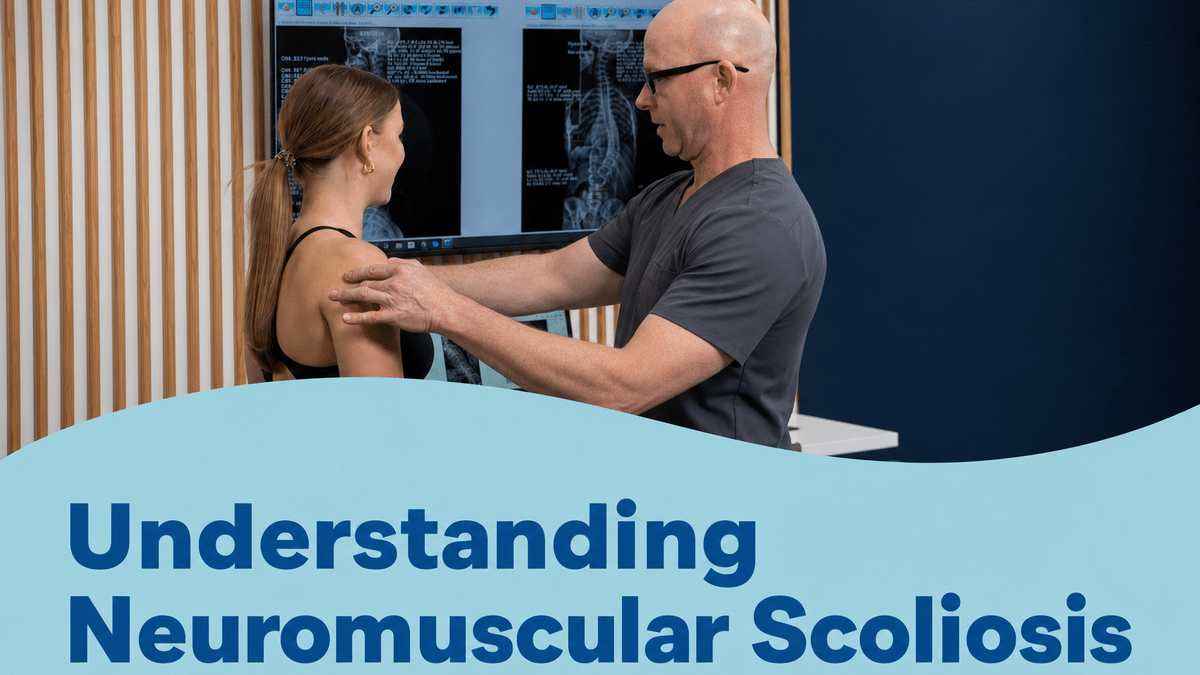
Understanding Neuromuscular Scoliosis
Buy Now: Understanding Neuromuscular ScoliosisThere are a number of factors that shape a patient’s potential experience with scoliosis, one of which is the type of scoliosis, determined by causation. While the most prevalent form of scoliosis has no known cause, there are atypical types, like neuromuscular scoliosis, that are associated with known causes. Neuromuscular scoliosis is caused by the…
-
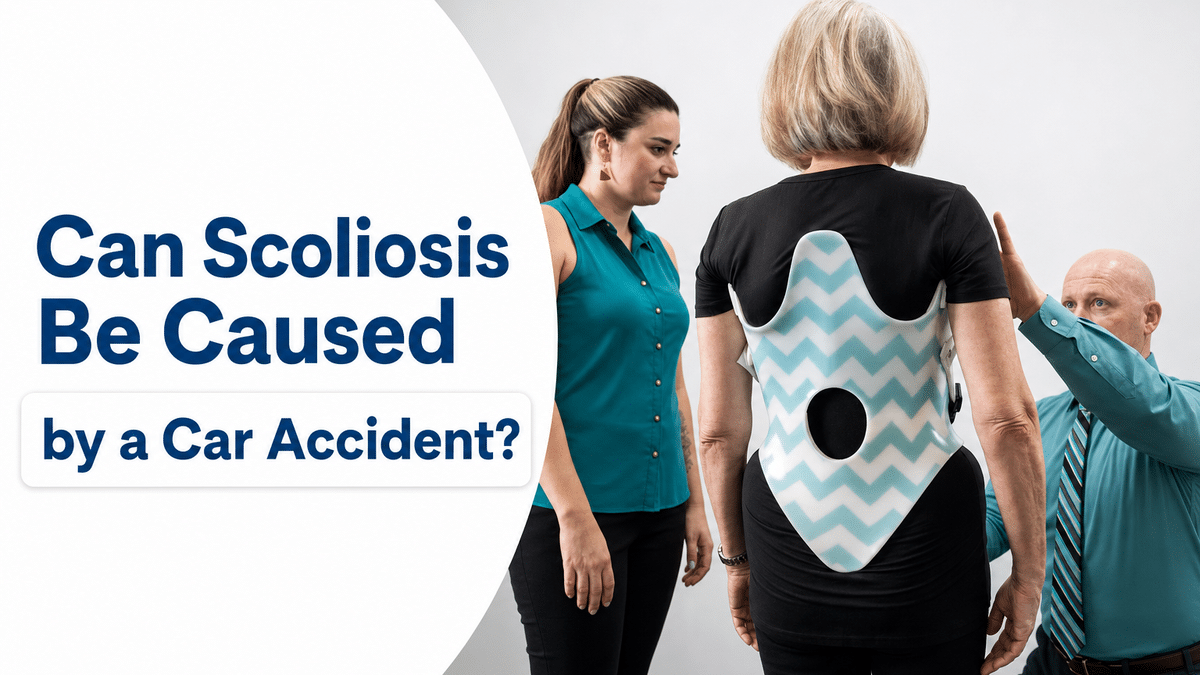
Can Scoliosis Be Caused by a Car Accident? Learn More
Buy Now: Can Scoliosis Be Caused by a Car Accident? Learn MoreThere are different types of scoliosis with varying severity levels and causes. While most cases of scoliosis are idiopathic, scoliosis can also be caused by neuromuscular conditions, degenerative instability, and trauma. Traumatic scoliosis develops due to the spine sustaining a significant trauma that impacts its alignment and stability. While it’s more likely that a car…
-
 Increased Lumbar Lordosis: Symptoms, Causes, & TreatmentBuy Now:
The spine’s healthy curves, when viewed from the side, increase its strength, flexibility, and ability to handle mechanical stress. The spine naturally has an inward curve in the neck (cervical spine) and lower back (lumbar spine) called a lordosis and a more-outward curve in the middle back (thoracic spine). Healthy spinal curves can vary in…
Increased Lumbar Lordosis: Symptoms, Causes, & Treatment -
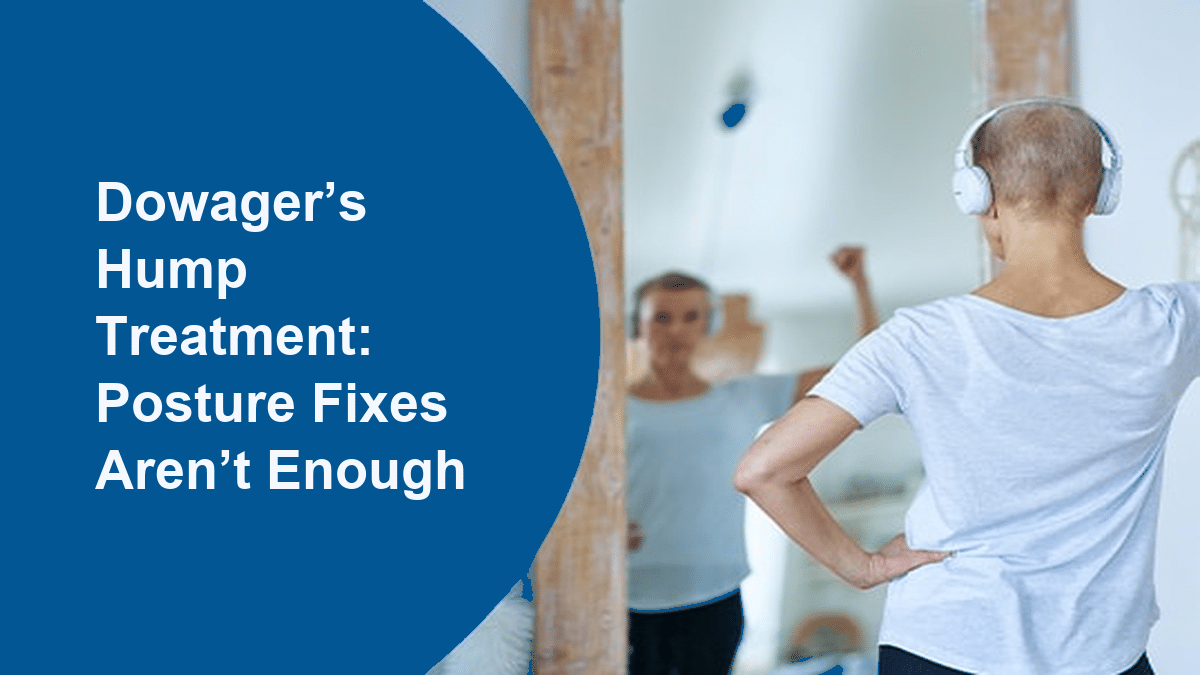
Dowager’s Hump Treatment: Why Posture Fixes Aren’t Enough
Buy Now: Dowager’s Hump Treatment: Why Posture Fixes Aren’t EnoughA Dowager’s hump commonly affects older females and refers to an excessive rounded-forward appearance of the upper back at the base of the neck (hyperkyphosis), referencing the spine’s natural outward curvature (kyphosis) that characterizes the thoracic spine. While postural hyperkyphosis may respond well to postural restoration alone through kyphosis-specific exercise-based treatment, a Dowager’s hump commonly…
-
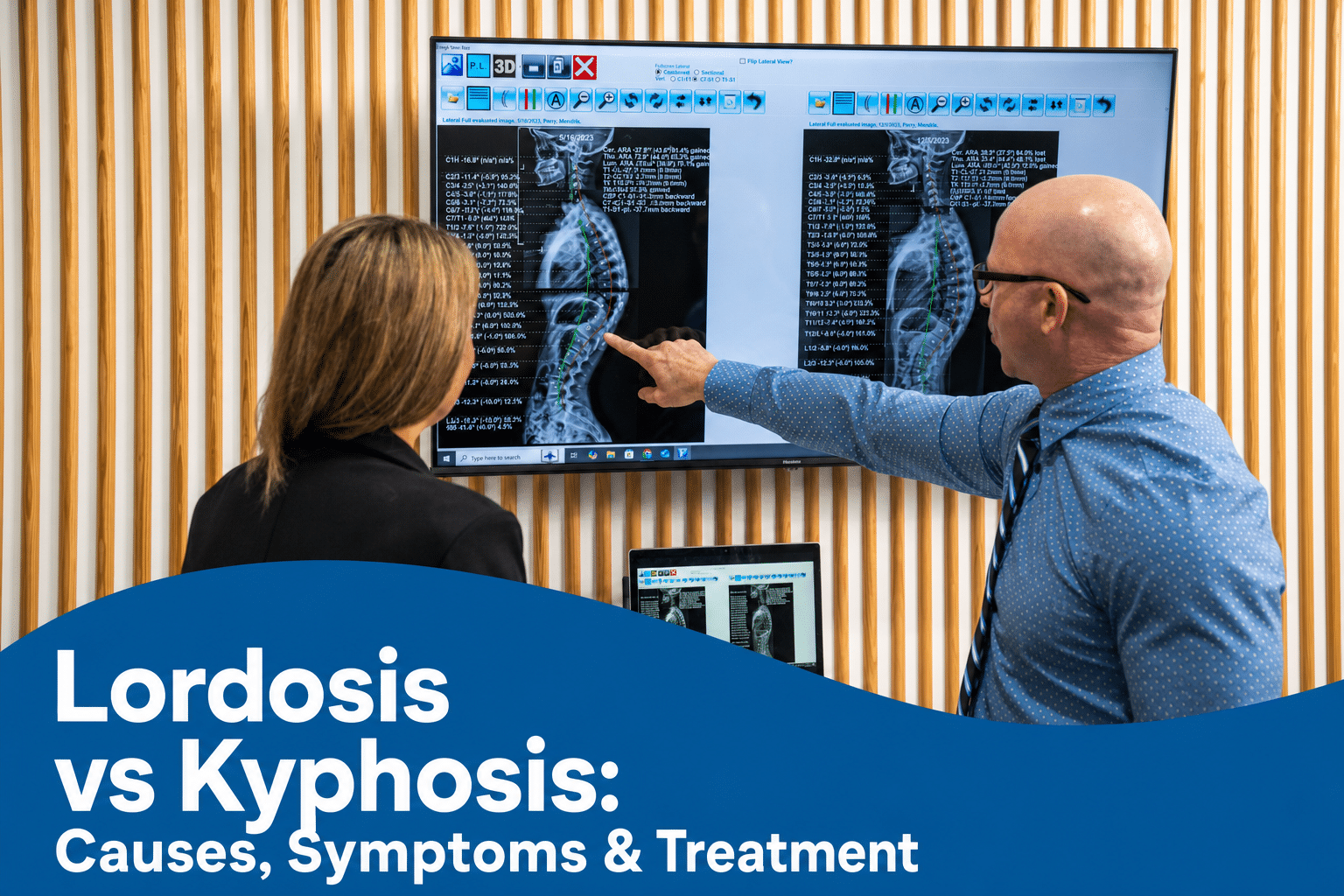 Lordosis vs Kyphosis: Causes, Symptoms & TreatmentBuy Now:
Lordosis and kyphosis are types of spinal curves, and the spine’s curves can shape overall spinal health. A spine with its natural and healthy curves in place is stronger, more flexible, and better able to handle the stress of daily activity. Lordosis makes the spine curve inward, while kyphosis refers to an outward curvature of…
Lordosis vs Kyphosis: Causes, Symptoms & Treatment -
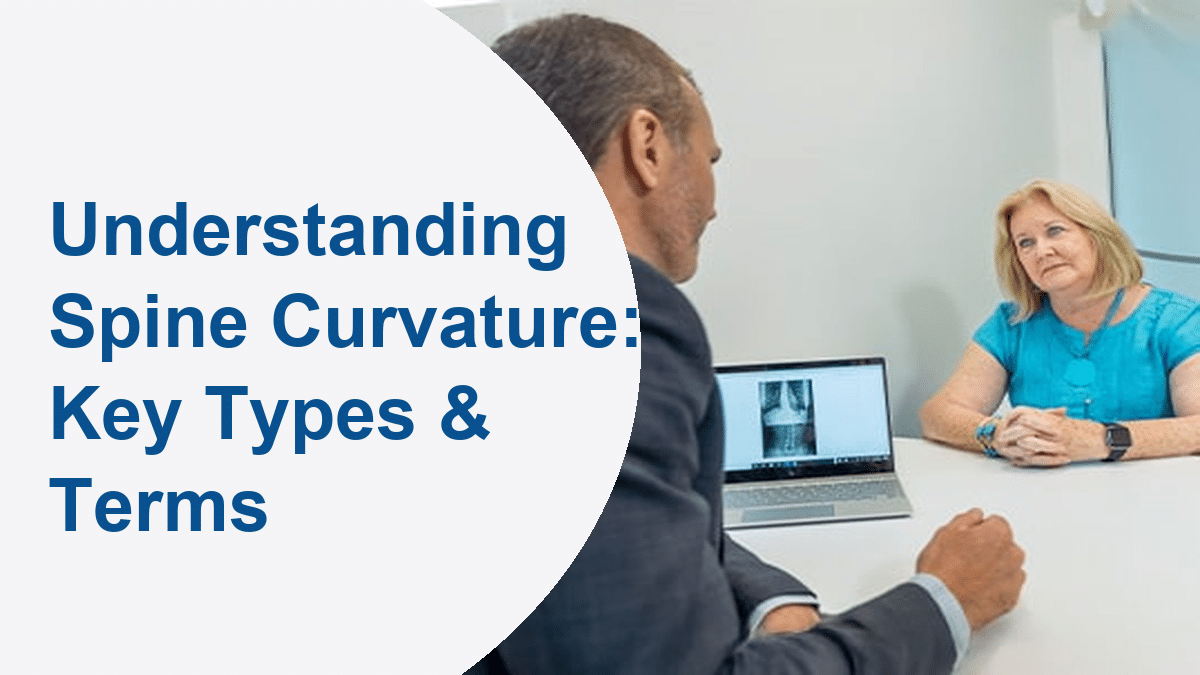 Understanding Spine Curvature: Key Types & TermsBuy Now:
The spine’s natural curves facilitate its optimal function; they make it stronger and more resistant to injury, more flexible for a wide range of motion, and better able to absorb and distribute mechanical stress. There are also unhealthy spinal curves that can disrupt the spine’s strength and function. There are healthy and unhealthy spinal curves,…
Understanding Spine Curvature: Key Types & Terms -

How Does Scoliosis Affect Your Organs? Key Insights
Buy Now: How Does Scoliosis Affect Your Organs? Key InsightsScoliosis affects the body in a myriad of ways, but what’s important to understand is that it doesn’t always have to. With early detection and a proactive customized treatment plan, scoliosis can be highly treatable, and many potential effects can be minimized and/or avoided completely. Primary scoliosis symptoms include postural changes, mobility changes, and pain…
-
Can Scoliosis Cause Neurological Problems?
Buy Now: Can Scoliosis Cause Neurological Problems?The spinal cord consists of 31 pairs of spinal nerves, and if the spine’s unnatural curve and twist exposes the spinal cord to excessive/uneven pressure, nerve compression can disrupt an affected nerve’s function. While neurological symptoms aren’t considered a primary effect of scoliosis, they can occur and are most closely associated with severe cases of…
-

Understanding Scoliosis Side Effects Impact on Health
Buy Now: Understanding Scoliosis Side Effects Impact on HealthThe effects of scoliosis aren’t just limited to the back. Although scoliosis causes the development of an unnatural lateral curvature of the spine with rotation, because the spine is so integral to overall health and mobility, changes to its health can be felt throughout the body. An important scoliosis-characteristic to understand is its progressive nature;…
-
Does Scoliosis Cause Headaches? Understanding the Link
Buy Now: Does Scoliosis Cause Headaches? Understanding the LinkScoliosis symptoms can range from mild to severe, and the larger the size of the unnatural spinal curve, the more noticeably it affects the body. Because scoliosis is progressive, its symptoms can also change over time. Common symptoms can include postural and mobility changes, back and nerve pain, and headaches are generally considered a secondary…
-
Understanding Curvatures of the Spine: Scoliosis
Buy Now: Understanding Curvatures of the Spine: ScoliosisScoliosis is a condition that affects the spine: an unnatural sideways-bending spinal curvature that rotates develops. As a progressive lateral curvature of the spine, the nature of scoliosis is to increase in severity over time, along with its effects. As spinal health is key to overall health, it can be beneficial to understand how the…
-
Does Running Make Scoliosis Worse? Key Insights
Buy Now: Does Running Make Scoliosis Worse? Key InsightsRunning with scoliosis may be deemed safe for some, safe with modifications for others, or can be restricted. Potential pros of running include the mental health benefits of staying active, improved circulation, weight management, maintaining core strength and muscle balance; potential cons of running with scoliosis can include increasing compression, strain, and risk of injury.…
-

Scoliosis Self-Care Tips for Everyday Comfort and Relief
Buy Now: Scoliosis Self-Care Tips for Everyday Comfort and ReliefScoliosis is progressive, so its effects can change and increase over time. While daily self-care strategies are important, the most powerful step a patient can take, in terms of long-term comfort, is to treat the scoliosis proactively. No two cases of scoliosis are the same, so each patient’s experience, symptoms, and everyday needs will vary.…
-

Scoliosis and Genetics: Exploring the Connection
Buy Now: Scoliosis and Genetics: Exploring the ConnectionThe connection between scoliosis and genetics isn’t fully clear; the cause does depend on the type in question, and the majority of cases involve idiopathic scoliosis. When the cause is known, it shapes the design of treatment plans. Scoliosis is a progressive unhealthy lateral curvature of the spine. The spine’s healthy curves are important for its…
-
Understanding Atypical Scoliosis: Types, Causes, and Treatment
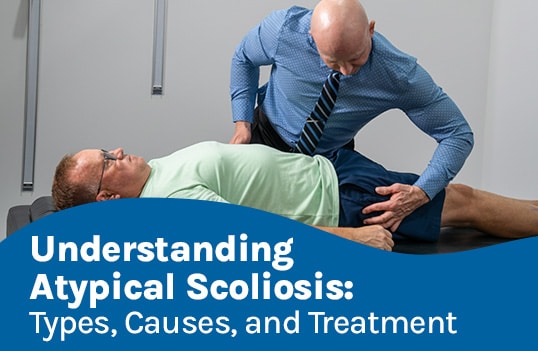
Buy Now: Understanding Atypical Scoliosis: Types, Causes, and TreatmentScoliosis treatment plans need to be customized because there are multiple severity levels, age groups affected, and types of scoliosis. Type is determined by causation, and in most cases, the cause is unknown; known causes include neuromuscular disease, congenital abnormalities, and degenerative instability. Typical scoliosis cases involve the most common form: idiopathic scoliosis with right-bending…
-
Can Scoliosis Affect Your Heart? Understanding the Risks
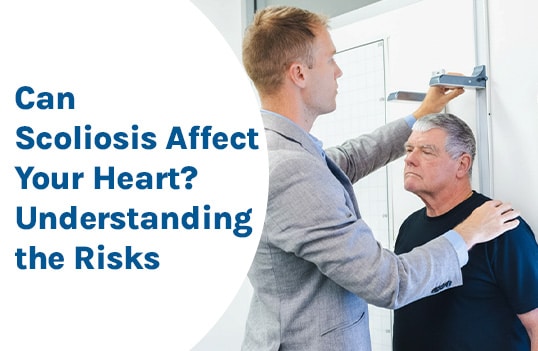
Buy Now: Can Scoliosis Affect Your Heart? Understanding the RisksThe most common symptoms of scoliosis include asymmetrical posture and back pain. Postural changes are the earliest signs of childhood scoliosis, and it’s most often back and radiating pain that leads to an adult’s diagnosis. Cases most likely to impact cardiac function are severe and/or atypical types of scoliosis. Scoliosis mainly affects the spine, but…
-
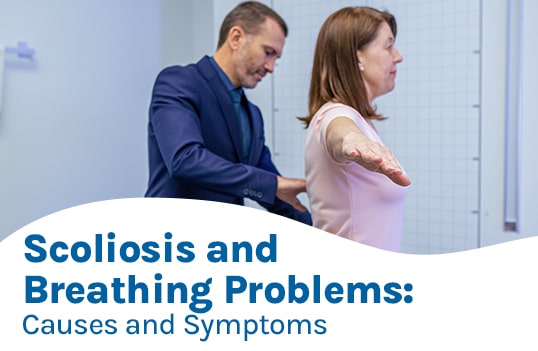
Scoliosis and Breathing Problems: Causes and Symptoms
Buy Now: Scoliosis and Breathing Problems: Causes and SymptomsScoliosis can affect people differently, but common symptoms involve postural and mobility changes, and pain. Breathing problems aren’t common in mild and moderate cases and are more closely associated with severe cases; preventing increasing symptom severity is a benefit of proactive treatment. Scoliosis develops in the spine, but its effects can be widespread, particularly if…
-
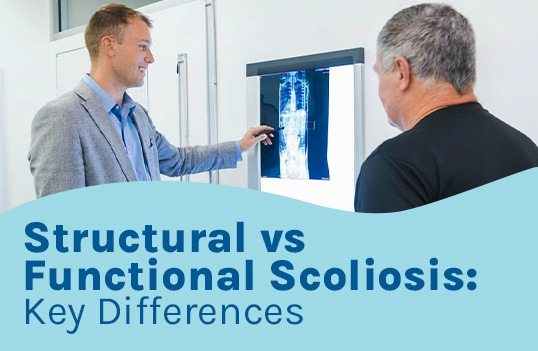
Structural vs Functional Scoliosis: Key Differences
Buy Now: Structural vs Functional Scoliosis: Key DifferencesThere are a number of conditions that affect the spine by causing an unnatural spinal curve to develop, but scoliosis has a number of unique characteristics. In order to be diagnosed as structural scoliosis, the spine has to bend unnaturally to the side and rotate, making it 3-dimensional. If the spine’s unnatural curve is nonstructural…
-

Thoracic Kyphosis: Normal, Hyperkyphosis & Hypokyphosis
Buy Now: Thoracic Kyphosis: Normal, Hyperkyphosis & HypokyphosisAs the body’s main structural support, the spine plays a number of key roles in overall health. For healthy movement patterns and posture to protecting important organs and the spinal cord within, the spine’s healthy curves are key. Kyphosis is a type of spinal curvature that curves outwards in a reverse C-shape, when viewed from…
-
Lordosis Explained: Normal vs. Abnormal Spinal Curves
Buy Now: Lordosis Explained: Normal vs. Abnormal Spinal CurvesThe spine’s healthy curves are important; they make the spine stronger and less vulnerable to injury, more flexible with a wider range of motion, and better able to handle daily stress. The loss of a healthy spinal curvature can affect the spine and body in a number of ways. Lordosis is an inward curve of…
-
Understanding the Risks of Untreated Scoliosis
Buy Now: Understanding the Risks of Untreated ScoliosisScoliosis is progressive, so its nature is to get more severe over time, but in many cases, it’s highly treatable. When it comes to the timing of treatment, early detection and proactive treatment has a number of benefits. The dangers of leaving scoliosis untreated include progression, increasing effects, and developing potential complications such as breathing…
-
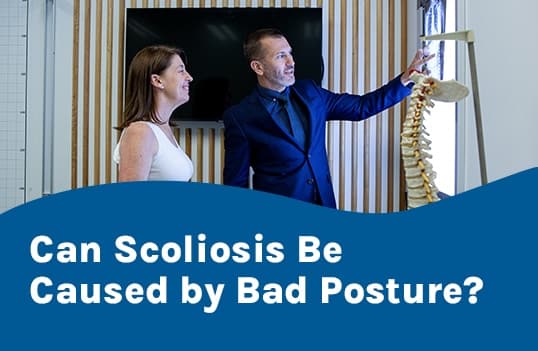
Can Scoliosis Be Caused by Bad Posture?
Buy Now: Can Scoliosis Be Caused by Bad Posture?The spine plays many key roles in overall health, including facilitating the ability to stand upright and practice healthy posture. Scoliosis causes the spine to bend unnaturally to the side and rotate, and its main visual effect is disrupting the body’s postural symmetry. Body posture and spinal health are closely connected. Bad posture alone doesn’t…
-
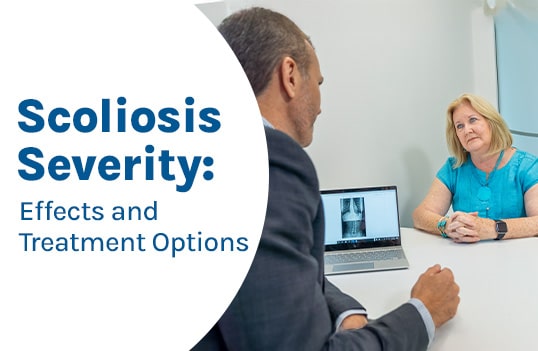
Scoliosis Severity: Effects and Treatment Options
Buy Now: Scoliosis Severity: Effects and Treatment OptionsScoliosis is an unnatural lateral spinal curvature, but its effects can be felt throughout the body. The more severe scoliosis is, the more noticeable its effects are likely to be. If left untreated, complications can develop, but when treated proactively, scoliosis can be highly treatable. Scoliosis severity is mainly determined by the size of the…
-

Understanding the Signs and Symptoms of Scoliosis
Buy Now: Understanding the Signs and Symptoms of ScoliosisUnderstanding the signs and symptoms of scoliosis can lead to early diagnosis and intervention. There are never treatment guarantees, but when scoliosis is diagnosed while mild and treated proactively, it can be highly responsive and treatable. The early signs of scoliosis can be subtle. In children, the earliest symptoms of scoliosis include uneven shoulders and…
-
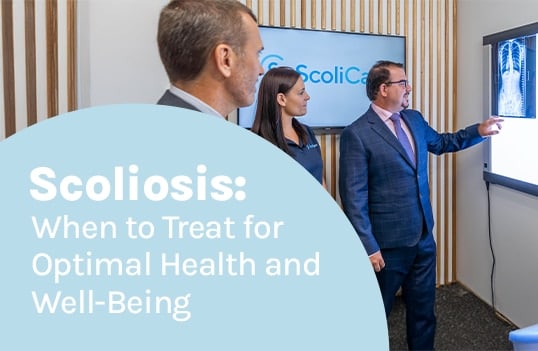
Scoliosis: When to Treat for Optimal Health and Well-Being
Buy Now: Scoliosis: When to Treat for Optimal Health and Well-BeingNo two scoliosis cases are the same. Scoliosis can range widely in severity, affect all ages, and progress at different rates, but a shared factor among different severity levels and age groups is the more scoliosis progresses, the more challenging it can be to treat. In addition, the more scoliosis progresses, the more it can…
-
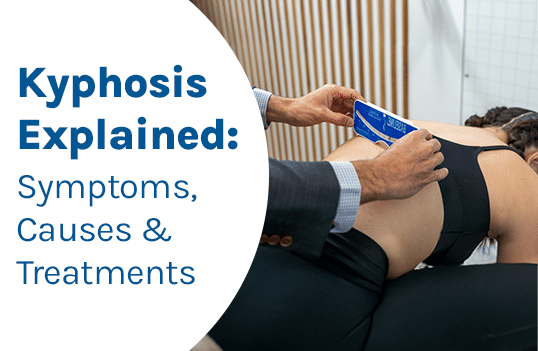
Kyphosis Explained: Symptoms, Causes & Treatments
Buy Now: Kyphosis Explained: Symptoms, Causes & TreatmentsThe thoracic spine is the largest spinal section, and its health and function is shaped, in part, by its degree of kyphosis. If a person’s kyphosis becomes excessive, the upper back and shoulders round forward noticeably, causing postural and movement changes. The spine’s curves facilitate a number of its functions from shock absorption to structural…
-
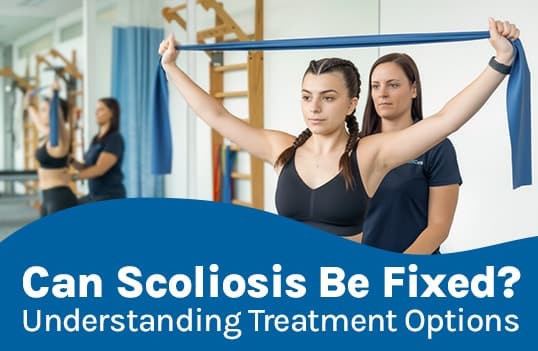
Can Scoliosis Be Fixed? Understanding Treatment Options
Buy Now: Can Scoliosis Be Fixed? Understanding Treatment OptionsThere are no treatment guarantees, but the sooner scoliosis is diagnosed and treated, the better. The best way to increase the potential efficacy of nonsurgical treatment is to be proactive, and as progression is triggered by growth, managing childhood scoliosis effectively during periods of rapid growth is crucial. Scoliosis is a complex progressive condition that’s…
-

How to Stop Scoliosis for a Healthier Spine?
Buy Now: How to Stop Scoliosis for a Healthier Spine?When it comes to understanding scoliosis treatment efficacy, this involves the importance of early detection and intervention. The best way to stop scoliosis progression and improve the health of the spine is to treat scoliosis proactively, with a customized combination of nonsurgical treatment disciplines. As a progressive condition triggered by growth, adolescent scoliosis is ongoing,…
-
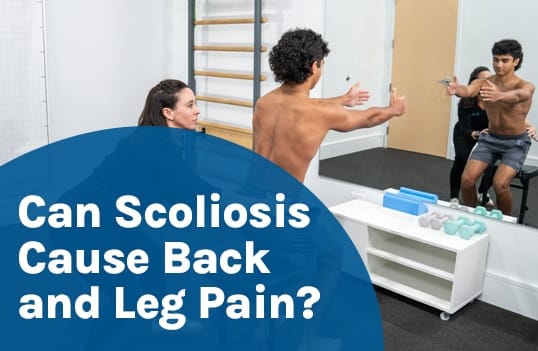
Can Scoliosis Cause Back and Leg Pain?
Buy Now: Can Scoliosis Cause Back and Leg Pain?The effects of scoliosis can be felt throughout the body. While not all patients will experience scoliosis pain, the more severe a condition is, the more likely it is to be painful, and as scoliosis is progressive, its effects can become more disruptive over time. Scoliosis can cause back and leg pain due to the…
-

Scoliosis X-Ray: Key Insights for Patients & Families
Buy Now: Scoliosis X-Ray: Key Insights for Patients & FamiliesTo reach a scoliosis diagnosis, an X-ray is needed to determine the size of the curve and the presence of rotation. The results of this initial scoliosis X-ray will shape the customization of treatment plans, and measurements taken will be referred to throughout the course of treatment to gauge how the spine is responding. The…
-
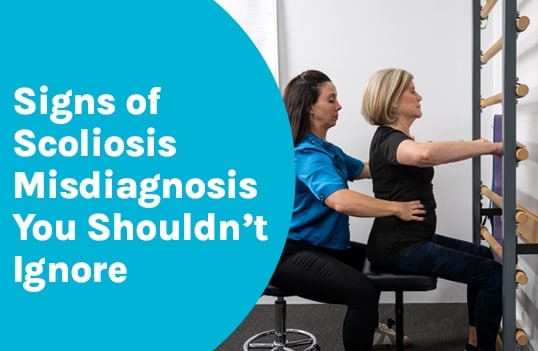
Signs of Scoliosis Misdiagnosis You Shouldn’t Ignore
Buy Now: Signs of Scoliosis Misdiagnosis You Shouldn’t IgnoreWhat’s more likely than a scoliosis misdiagnosis is diagnosing scoliosis late in its progressive line. Despite the potential benefits of early detection, it can be difficult to achieve, particularly in children. Once the signs of scoliosis become noticeable, they are quite unique and difficult to misdiagnose, but the goal is diagnosing scoliosis while still mild.…
-
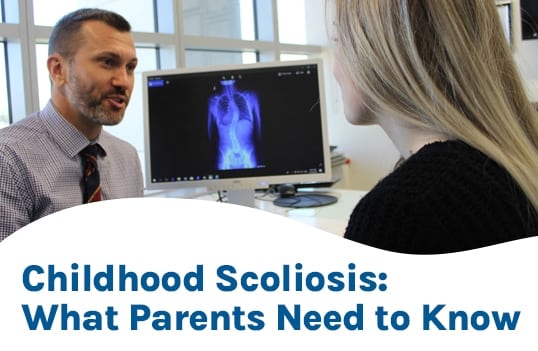
Childhood Scoliosis: What Parents Need to Know
Buy Now: Childhood Scoliosis: What Parents Need to KnowChildhood scoliosis affects children of all ages, and adolescent idiopathic scoliosis is the most common type. Adult scoliosis is diagnosed once skeletal maturity is reached. The value of regular scoliosis screening examinations cannot be underestimated, particularly when risk factors, such as family history are present. What parents need to know about childhood scoliosis is that…
-
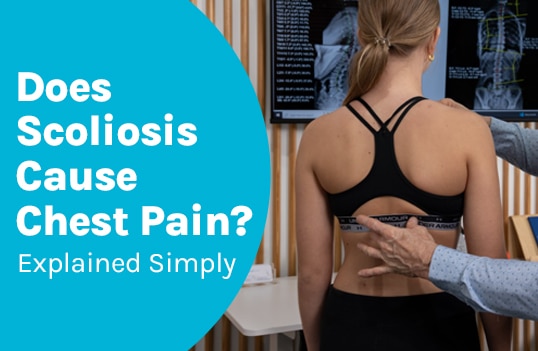
Does Scoliosis Cause Chest Pain? Explained Simply
Buy Now: Does Scoliosis Cause Chest Pain? Explained SimplyScoliosis-related pain can involve the back muscles, spinal structures, and nerves, leading to radiating pain. Chest pain is most closely associated with thoracic scoliosis that develops in the middle/upper back. The best way to minimize the potential effects of scoliosis, including chest pain, is to manage the scoliosis with treatment. Scoliosis involves the development of…
-

Understanding Scoliosis and Chiropractic Treatment
Buy Now: Understanding Scoliosis and Chiropractic TreatmentThere is more than one way to treat scoliosis, and the right treatment plan can improve the spine’s long-term health and function. Scoliosis is a complex condition; there are many different types and severity levels, and while treatment results can never be guaranteed, scoliosis-specific chiropractic treatment can be integrated into a proactive treatment plan. It’s…
-

What Degree of Scoliosis Requires Surgery? Explained
Buy Now: What Degree of Scoliosis Requires Surgery? ExplainedNot all cases of scoliosis require surgery; many are responsive to nonsurgical treatment, and while there are never treatment guarantees, there is a direct link between early diagnosis, proactive treatment, and treatment success. A traditional scoliosis treatment approach tends to funnel patients towards surgical treatment because little is done to prevent progression; watching and waiting…
-

Can Scoliosis Be Cured? Treatment & Management
Buy Now: Can Scoliosis Be Cured? Treatment & ManagementScoliosis progression is triggered by growth spurts, so adolescents are the most at risk for rapid advancement. The key to managing scoliosis effectively is working towards preventing progression, made easier with early detection. As a progressive condition triggered by growth, scoliosis is ongoing, but it can be highly treatable. With effective treatment, scoliosis progression may…
-
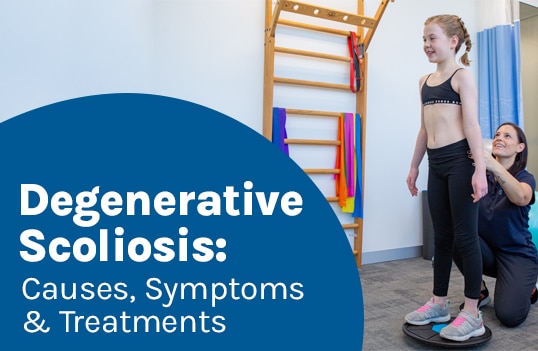
Degenerative Scoliosis: Causes, Symptoms & Treatments
Buy Now: Degenerative Scoliosis: Causes, Symptoms & TreatmentsAdult scoliosis can be pre-existing from adolescence, or develop in later adulthood with no prior history. Degenerative scoliosis is caused by age-related degeneration, and as the spine becomes increasingly unbalanced and unstable, the body is also affected, making it more vulnerable to injury. Degenerative scoliosis is an unnatural lateral spinal curve that’s caused by degenerative…
-
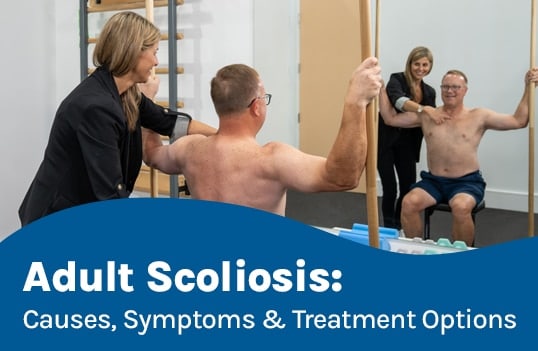
Adult Scoliosis: Causes, Symptoms & Treatment Options
Buy Now: Adult Scoliosis: Causes, Symptoms & Treatment OptionsAlthough scoliosis is most often diagnosed during adolescence, scoliosis can also develop later in life. Once skeletal maturity is reached, scoliosis changes in terms of progression and pain. A focus of scoliosis treatment for older adults is fall prevention. Adult scoliosis can involve individuals who have had scoliosis since adolescence, or those who develop it…
-
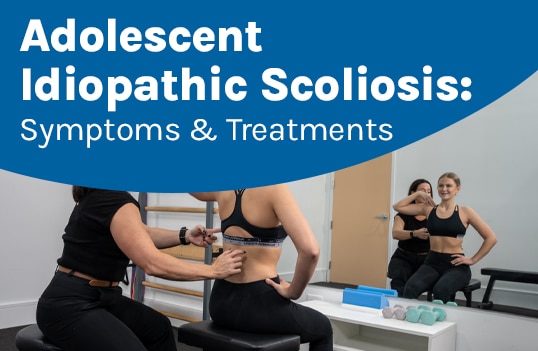
Adolescent Idiopathic Scoliosis: Symptoms & Treatments
Buy Now: Adolescent Idiopathic Scoliosis: Symptoms & TreatmentsDiagnosing scoliosis early means while it’s still mild, and while there are no treatment guarantees, early detection and intervention are associated with treatment success. Adolescent Idiopathic Scoliosis is the most common form of scoliosis; it’s diagnosed between the ages of 10 and reaching young adulthood. This age group is also the most prone to rapid…
-
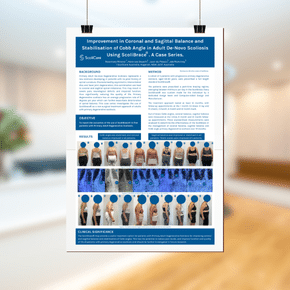
Case Series – Improvement in Coronal and Sagittal Balance and Stabilisation of Cobb Angle in Adult De-Novo Scoliosis Using ScoliBrace®
Buy Now: Case Series – Improvement in Coronal and Sagittal Balance and Stabilisation of Cobb Angle in Adult De-Novo Scoliosis Using ScoliBrace®A recent case series, co-authored by ScoliCare’s Chief of Research and Communications, Rose Mirenzi, along with Nora-Lee Doueihi, Juan du Plessis, and Dr. Jeb McAviney, offers promising long-term outcomes using the ScoliBrace® system in an adult population. Adult Scoliosis: Long-Term Non-Surgical Management with ScoliBrace® Adult scoliosis is a complex and often progressive condition that can…
-

Pelvic Obliquity: Causes, Effects & Treatment Strategies
Buy Now: Pelvic Obliquity: Causes, Effects & Treatment StrategiesA body’s balance and stability is based on many factors, including its symmetry and alignment. Given the importance of the pelvis in facilitating healthy movement patterns and supporting upper body weight, a disruption in its position can have a number of effects. Pelvic obliquity causes the pelvis to become unnaturally tilted, causing one hip to…
-
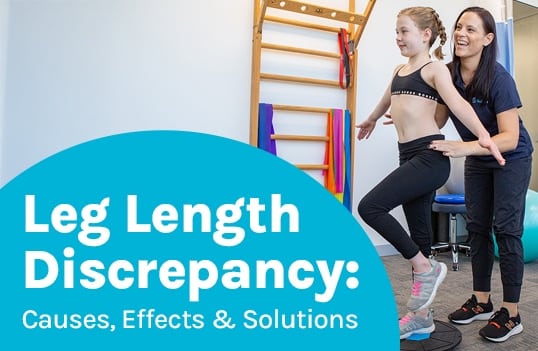
Leg Length Discrepancy: Causes, Effects & Solutions
Buy Now: Leg Length Discrepancy: Causes, Effects & SolutionsNature favors symmetry, so a disruption to the body’s overall symmetry, including leg length, may be problematic. It’s important to note that a difference in leg length can be anatomical, or it can be due to a misalignment elsewhere in the body. Leg length discrepancy (LLD), also known as anisomelia and unequal leg length, is…
-
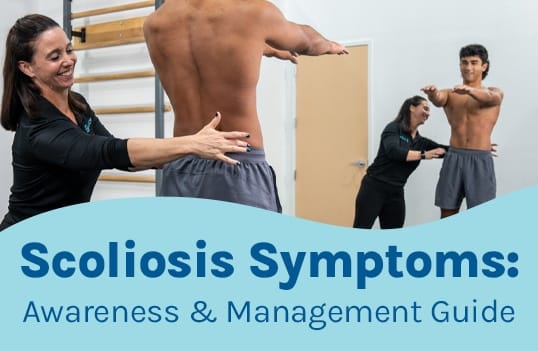
Scoliosis Symptoms: Awareness & Management Guide
Buy Now: Scoliosis Symptoms: Awareness & Management GuideScoliosis is progressive, but it can be highly treatable. The best way to manage scoliosis and its symptoms is to treat it proactively. As uneven shoulders and hips are often the earliest signs of scoliosis, these types of postural changes should be watched for and assessed, particularly in children; progression is triggered by growth. When…
-

Thoracolumbar Scoliosis: Causes, Symptoms & Solutions
Buy Now: Thoracolumbar Scoliosis: Causes, Symptoms & SolutionsNo two cases of scoliosis are the same, which is why it’s crucial that treatment plans are individualized. The process of diagnosing scoliosis involves comprehensive assessment and classification based on a number of variables, one of which is curvature type and location. A diagnosis of thoracolumbar scoliosis means a single progressive unnatural lateral spinal curve…
-
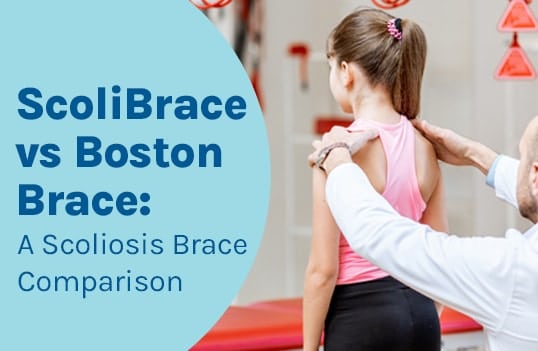
ScoliBrace vs Boston Brace: A Scoliosis Brace Comparison
Buy Now: ScoliBrace vs Boston Brace: A Scoliosis Brace ComparisonScoliosis bracing has been used in scoliosis treatment for centuries, and while the concept of bracing isn’t new, we’ve learned a lot about scoliosis-brace efficacy over the years; ScoliCare Clinicians applied that knowledge to the design of the world’s most advanced scoliosis brace: the ScoliBrace®. The most commonly prescribed scoliosis brace in traditional treatment is…
-

ScoliBrace vs Milwaukee Brace: A Scoliosis Brace Comparison
Buy Now: ScoliBrace vs Milwaukee Brace: A Scoliosis Brace ComparisonWhen it comes to scoliosis treatment, it’s important that patients and their families are informed. Scoliosis can change quickly, but in many cases, it can be highly responsive to conservative treatment. Knowing how different scoliosis braces compare in treatment can help patients make informed treatment choices. There is a significant difference between traditional scoliosis braces…
-
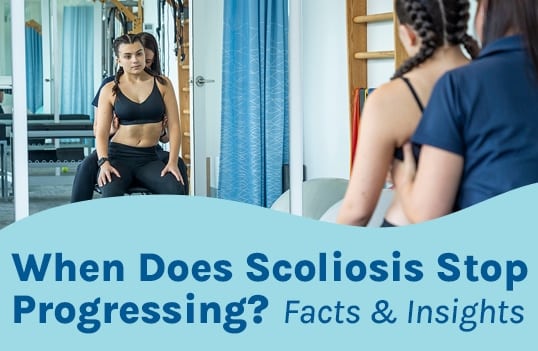
When Does Scoliosis Stop Progressing? Facts & Insights
Buy Now: When Does Scoliosis Stop Progressing? Facts & InsightsAs a progressive condition, the nature of scoliosis is to become more severe over time and with growth, but rates and levels of progression can range widely from patient to patient. It’s important to understand that scoliosis treatment involves addressing an ongoing spinal condition. As a progressive condition, scoliosis won’t simply go away or improve…
-
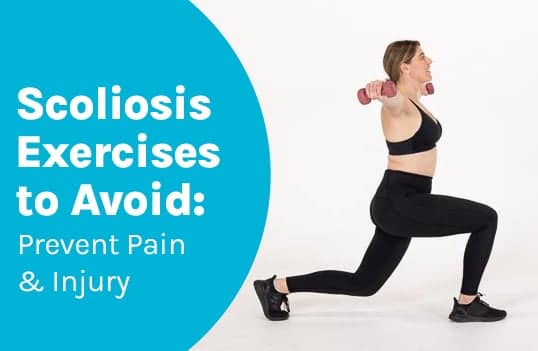
Scoliosis Exercises to Avoid: Prevent Pain & Injury
Buy Now: Scoliosis Exercises to Avoid: Prevent Pain & InjuryAny type of sport or exercise needs to be deemed appropriate by a scoliosis patient’s treatment provider. People with scoliosis can benefit from exercise that helps maintain spinal flexibility and increases core strength so the spine has more support and stability, but some cases of scoliosis come with activity restrictions, and some exercises will need…
-
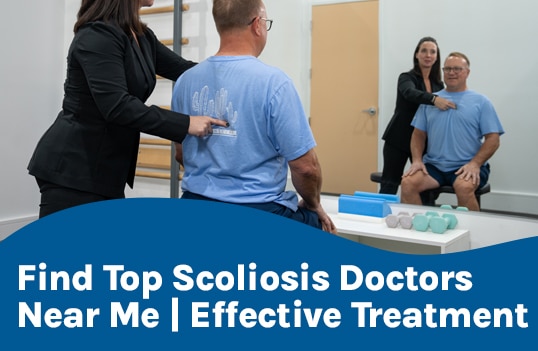
Find Top Scoliosis Doctors Near Me | Effective Treatment
Buy Now: Find Top Scoliosis Doctors Near Me | Effective TreatmentBeing diagnosed with a progressive spinal condition can feel overwhelming, and this is the time for patients, and their families, to make sure they’re fully informed about scoliosis and the different types of treatment available. Following a scoliosis diagnosis, patients need to choose a treatment approach that addresses their expectations and needs. ScoliCare Centers are…
-

Scoliosis in Seniors 65+: Challenges & Care Options
Buy Now: Scoliosis in Seniors 65+: Challenges & Care OptionsScoliosis affects children and adults differently, especially in the context of pain and progression. Adults over the age of 65 who develop scoliosis can be particularly vulnerable to injury through a fall, so treatment works towards improving the spine’s balance and stability. Although scoliosis is more commonly diagnosed during childhood, it also affects adults. Adults…
-

Is Scoliosis Hereditary? Genetic Causes & Connections
Buy Now: Is Scoliosis Hereditary? Genetic Causes & ConnectionsIt’s natural for parents of children recently diagnosed to ask what caused the development of their child’s scoliosis, and while idiopathic scoliosis has no known cause, there does appear to be a genetic link. Regardless of the cause, scoliosis should be treated proactively. While there has yet to be a specific gene identified that explains…
-

Severe Scoliosis: Causes, Symptoms, and Treatment Options
Buy Now: Severe Scoliosis: Causes, Symptoms, and Treatment OptionsWhat patients need to understand about severe scoliosis is that it doesn’t start that way; as a progressive condition, scoliosis severity can increase over time, and while young patients can progress quickly, there is a lot that can be done to counteract the progressive nature of scoliosis. Severe scoliosis is diagnosed when the spine has…
-

Cervical Lordosis: The Impact of Scoliosis on Lordosis
Buy Now: Cervical Lordosis: The Impact of Scoliosis on LordosisThe spine’s healthy curves are key to its overall health and function, and the spine has three main sections including the cervical spine, thoracic spine, and the lumbar spine. The cervical spine refers to the neck, and cervical lordosis refers to the neck’s inward-bending spinal curvature. Scoliosis causes the development of an unhealthy spinal curvature…
-

Moderate Scoliosis: Symptoms, Diagnosis, and Treatment
Buy Now: Moderate Scoliosis: Symptoms, Diagnosis, and TreatmentScoliosis ranges in severity from mild to moderate and severe; it’s important to understand the different scoliosis severity levels because, as a progressive condition, the nature of scoliosis is to change over time. Moderate scoliosis symptoms are more noticeable than those associated with mild scoliosis, which is why many patients are diagnosed during the moderate…
-
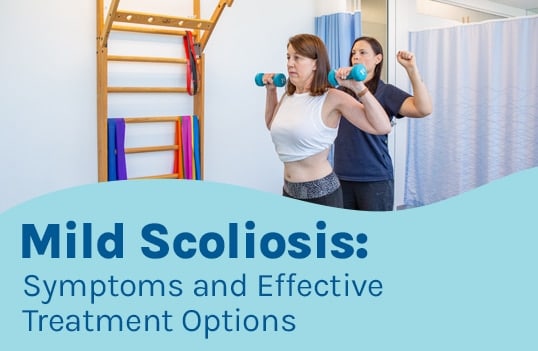
Mild Scoliosis: Symptoms and Effective Treatment Options
Buy Now: Mild Scoliosis: Symptoms and Effective Treatment OptionsThe most important thing to understand about mild scoliosis is that in most cases, proactive treatment efforts have to be made to keep the condition mild and prevent it from becoming moderate or severe scoliosis. As a progressive condition, even scoliosis that’s mild at the time of diagnosis isn’t guaranteed to stay mild. Symptoms of…
-

Types of Scoliosis: Causes, Symptoms, and Treatment Options
Buy Now: Types of Scoliosis: Causes, Symptoms, and Treatment OptionsScoliosis can be highly responsive to treatment, particularly when conditions are diagnosed and treated early. The different types of scoliosis can have distinct treatment needs, and patients need to decide how to respond with treatment: a decision that can shape future spinal health. Scoliosis is a progressive spinal condition with wide-ranging severity levels and different…
-
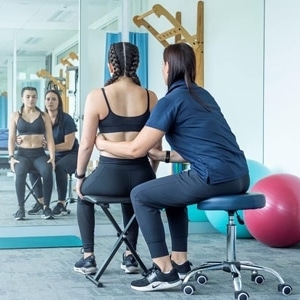
The Science Behind ScoliBalance®: What Makes It Work?
Buy Now: The Science Behind ScoliBalance®: What Makes It Work?ScoliBalance® is more than just a set of exercises—it’s a strategic, research-backed system designed to address scoliosis and hyperkyphosis with precision and purpose. Developed by a multidisciplinary team – Dr. Jeb McAviney and Rose Mirenzi, this physiotherapeutic scoliosis-specific exercise (PSSE) program integrates the best practices from chiropractic care, physical therapy, and exercise rehabilitation. For clinicians,…
-
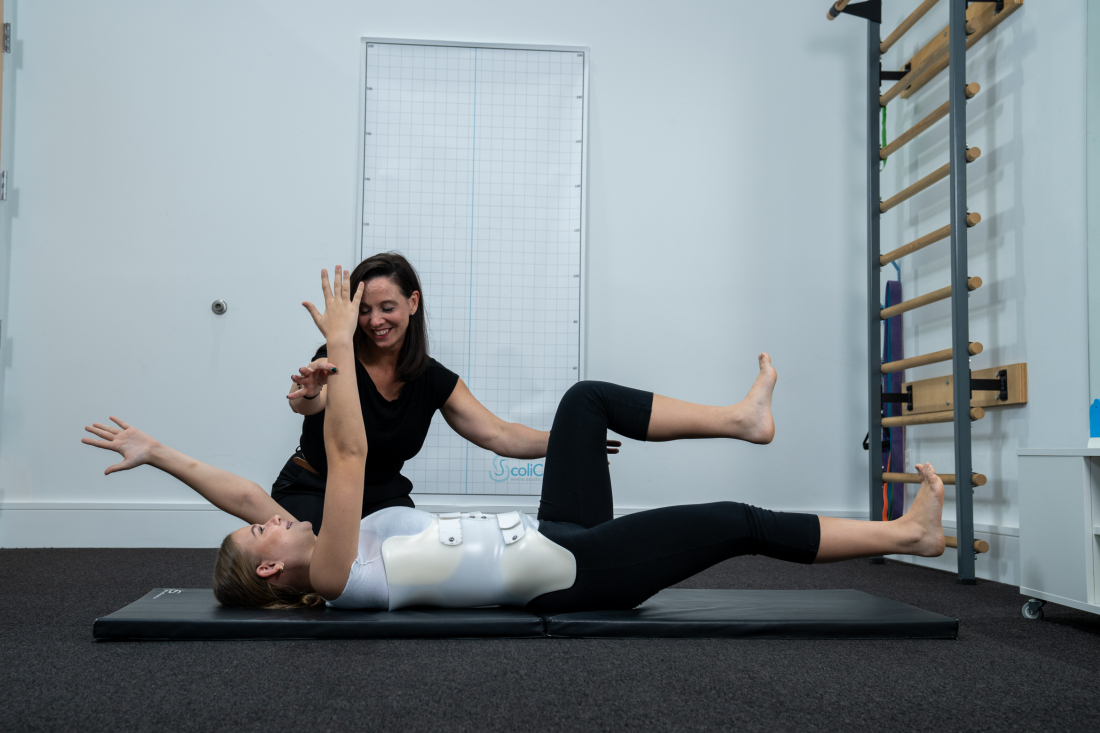
How ScoliBalance® and ScoliBrace® Work Together — and Why That Matters
Buy Now: How ScoliBalance® and ScoliBrace® Work Together — and Why That MattersWhen it comes to managing scoliosis, a condition marked by an abnormal spinal curve, a one-dimensional approach often falls short. ScoliBalance® and ScoliBrace®, represent a powerful synergy of structural and functional interventions, combining a custom 3D brace with a tailored exercise program. This dual strategy addresses both the physical alignment of the spine and the…
-
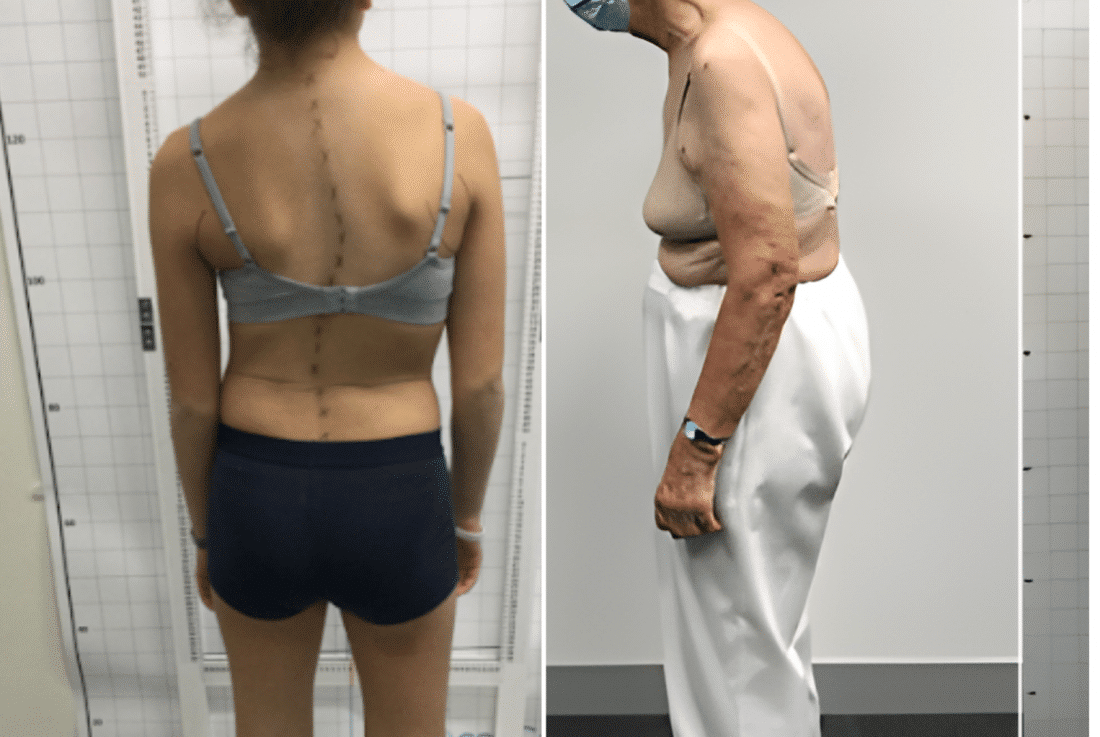
Scoliosis in Adults vs. Adolescents: How Management Changes with Age
Buy Now: Scoliosis in Adults vs. Adolescents: How Management Changes with AgeJune is Scoliosis Awareness Month – an opportunity to reflect on how spinal curvature presents and evolves throughout the life span. At our clinics, we support both adolescent and adult patients with scoliosis. While the underlying diagnosis may be similar, treatment goals, clinical strategies, and outcomes differ significantly by age. Here’s a concise clinical comparison…
-
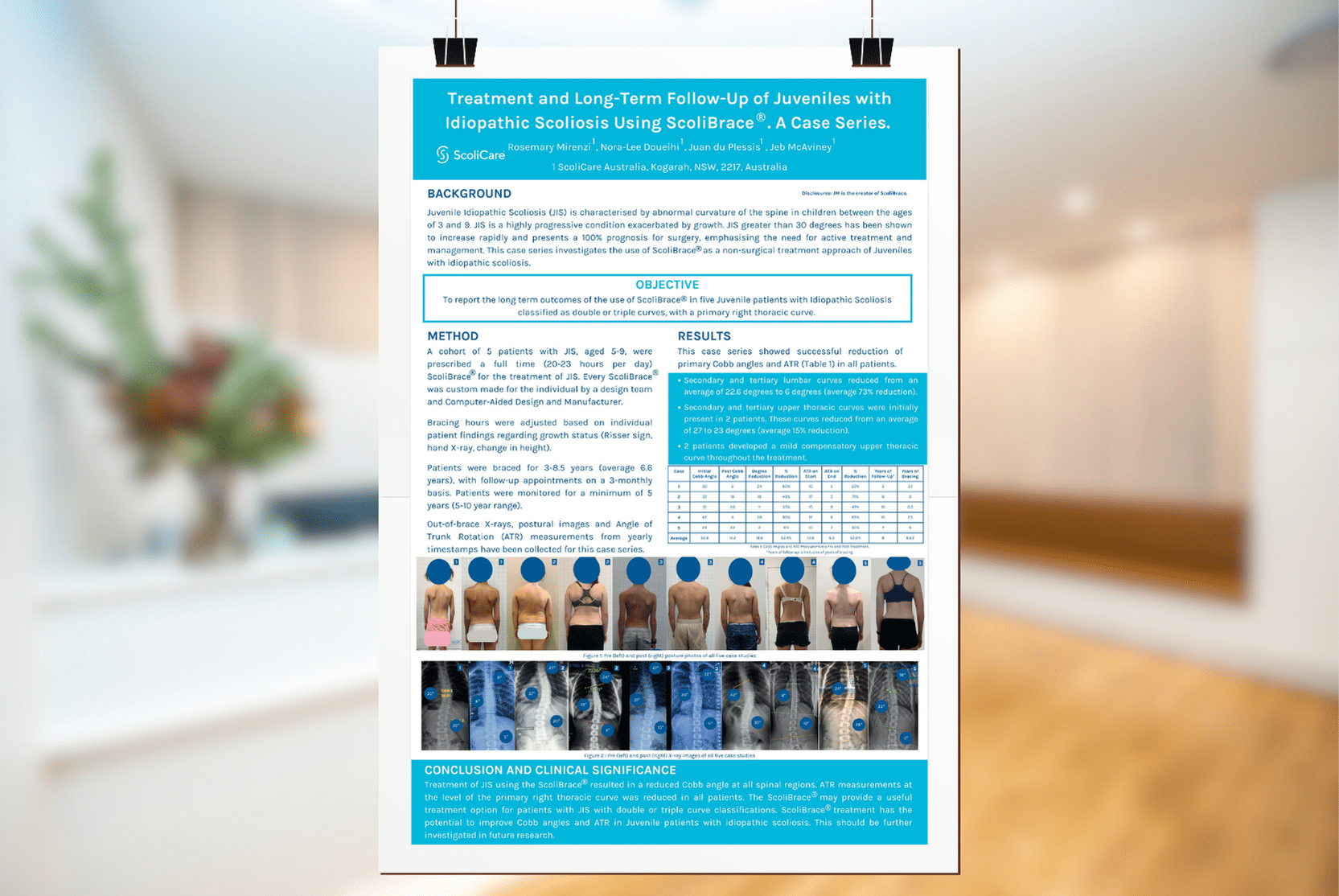
Case Series – Treatment and Long Term Follow-Up of Juveniles with Idiopathic Scoliosis using ScoliBrace®
Buy Now: Case Series – Treatment and Long Term Follow-Up of Juveniles with Idiopathic Scoliosis using ScoliBrace®As part of Scoliosis Awareness Month, we highlight new insights in the conservative management of Juvenile Idiopathic Scoliosis (JIS) – a challenging early-onset form of scoliosis with high risk of progression. A recent case series, co-authored by ScoliCare’s Chief of Research and Communications, Rose Mirenzi, along with Nora-Lee Doueihi, Juan du Plessis, and Dr. Jeb…
-

Staying Consistent in the Summer
Buy Now: Staying Consistent in the SummerLet’s be honest, summer can throw off your usual rhythm. The days are longer, routines get looser, and between the heat and holidays, scoliosis care can easily take a back seat. But staying consistent doesn’t have to be hard – and you don’t have to miss out on the fun. Whether you’re wearing a brace,…
-
June is Scoliosis Awareness Month: A Time to Reflect, Support, and Stand Tall Together
Buy Now: June is Scoliosis Awareness Month: A Time to Reflect, Support, and Stand Tall TogetherAt ScoliCare North Atlanta, Scoliosis Awareness Month is close to our hearts. Whether you’re one of our patients, a parent, a friend, or simply someone curious to learn more – we see you. We know scoliosis isn’t just a diagnosis. It’s a journey that takes strength, patience, and a whole lot of resilience. This month…
-

How Scoliosis Affects Gymnastics: What Every Gymnast, Coach and Parent Should Know
Buy Now: How Scoliosis Affects Gymnastics: What Every Gymnast, Coach and Parent Should KnowGymnastics is a sport of power, precision, and poise – a delicate balance of strength and agility where every vault, flip, and landing matters. For gymnasts with scoliosis, a condition marked by a lateral spinal curvature exceeding 10 degrees (with rotation), this balance faces unique hurdles. Often surfacing during the pre-teen or teen years –…
-
Scoliosis in Athletes: Can You Still Play Sport?
Buy Now: Scoliosis in Athletes: Can You Still Play Sport?A diagnosis of scoliosis can be overwhelming for anyone, but it may be especially concerning for young athletes who fear it may put a stop to their sports careers. The good news is that, with proper management under the care of a scoliosis trained Clinician, athletes with scoliosis can still excel in their chosen sports.…
-
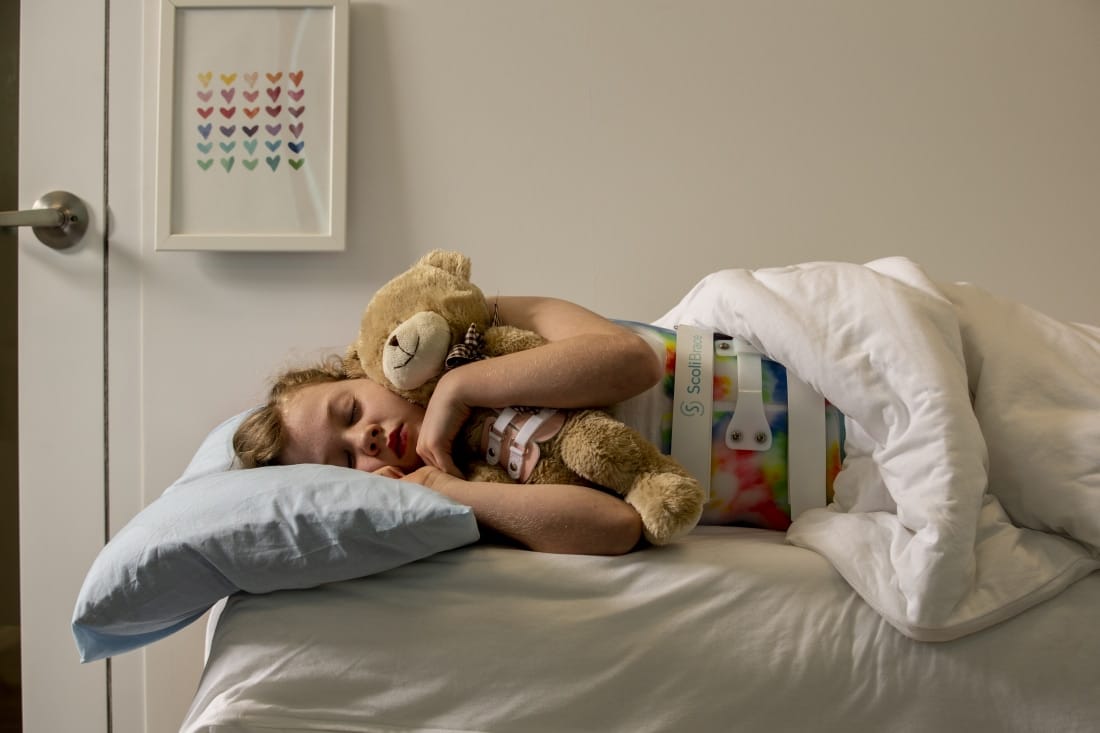
Red Flags and Game Plans: Spotting Non-Surgical Risks in Adolescent Idiopathic Scoliosis Patients
Buy Now: Red Flags and Game Plans: Spotting Non-Surgical Risks in Adolescent Idiopathic Scoliosis PatientsAdolescent Idiopathic Scoliosis (AIS) often comes to a healthcare professional’s attention when a patient or parent notices postural changes, such as uneven shoulders or a more prominent rib on one side. AIS is defined as a lateral spinal curvature exceeding 10° on X-ray, typically identified during routine checks or through parental concern. For general practitioners,…
-

Your Scoliosis Support Network: Building a Team Around You
Buy Now: Your Scoliosis Support Network: Building a Team Around YouLiving with scoliosis can sometimes feel overwhelming, especially when you’re navigating your treatment options or learning about how scoliosis is creating changes in your body. Building a support system that suits you is part of the journey of scoliosis. Whether it’s healthcare professionals, family, or online communities, having the right people around you can make…
-

Cobb Angle is Not the Most Important Consideration with Adult Scoliosis
Buy Now: Cobb Angle is Not the Most Important Consideration with Adult ScoliosisWhen discussing scoliosis, the Cobb angle often takes center stage as the primary metric for assessing the severity of spinal curvature. However, in adults, the Cobb angle is just one piece of the puzzle and not always the most critical factor when evaluating the condition or planning treatment. Below, we explore why other considerations often…
-
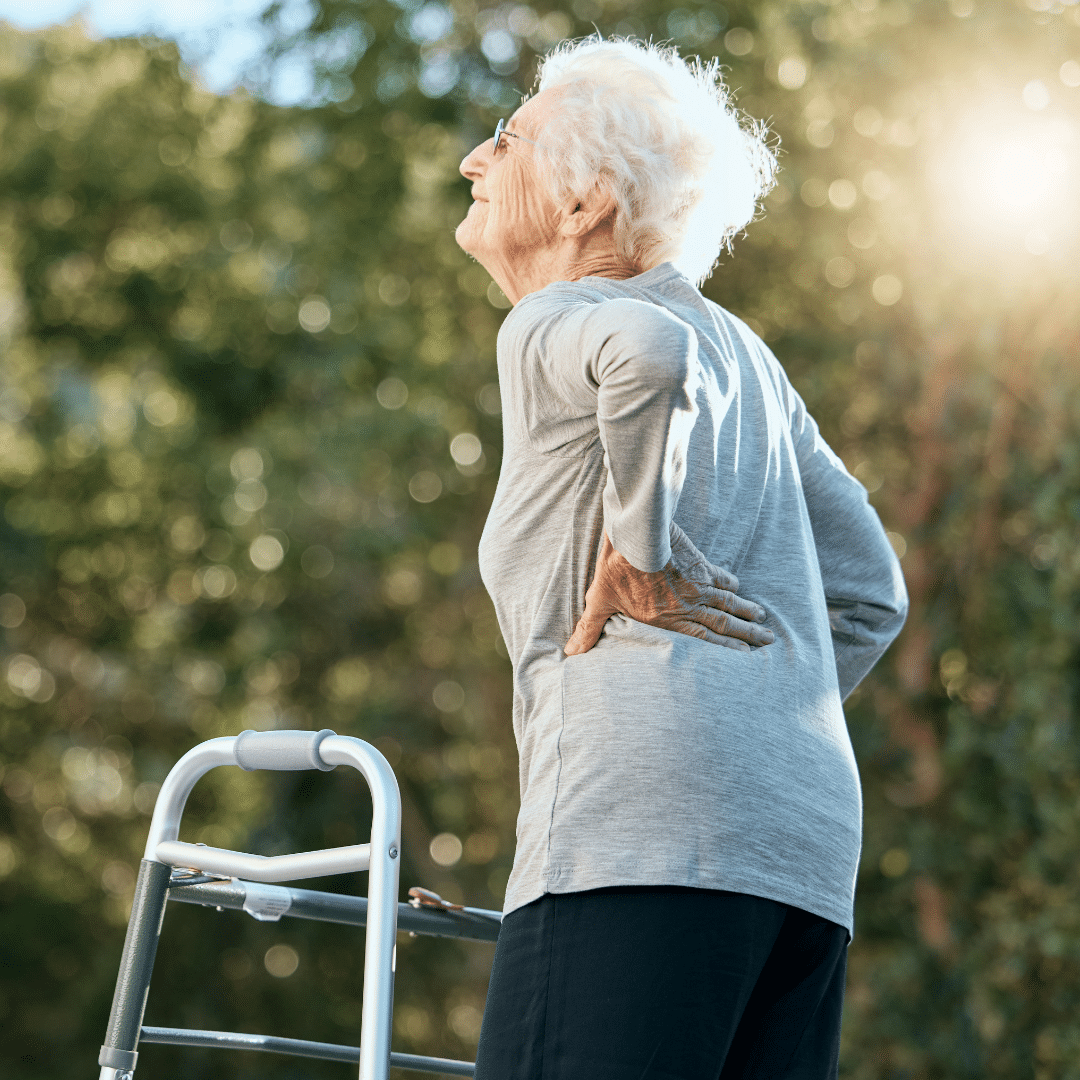
Adult Scoliosis May Increase the Risk of Falls in Older Patients
Buy Now: Adult Scoliosis May Increase the Risk of Falls in Older PatientsScoliosis in adults is often more complex than in adolescents, due to the interplay of spinal deformity with age-related changes in bone density, muscle strength, and overall balance. One concerning issue for older patients with adult scoliosis is the increased risk of falls, which can have serious consequences for health and quality of life (1).…
-

Did You Know Scoliosis Can Start Around Menopause?
Buy Now: Did You Know Scoliosis Can Start Around Menopause?When people think of scoliosis, they often imagine it as a condition that develops during adolescence. While it is true that Adolescent Idiopathic Scoliosis (AIS) is the most common form, scoliosis isn’t just a childhood condition. Adult-onset scoliosis, particularly during and after menopause, is a significant yet often overlooked health concern. This is often referred…
-

Scoliosis and Pregnancy: What You Need to Know
Buy Now: Scoliosis and Pregnancy: What You Need to KnowIf you have scoliosis, you may wonder how it could affect pregnancy or how pregnancy might impact your spine. These are valid concerns, especially for women with adolescent idiopathic scoliosis (AIS)—a type of scoliosis that develops around puberty and is more common in females. To provide clearer answers, ScoliCare’s team, including Rose Mirenzi, Dr. Jeb…
-

5 Ways to Stay on Track with Your ScoliBalance Over the Holiday Period
Buy Now: 5 Ways to Stay on Track with Your ScoliBalance Over the Holiday PeriodThe holidays can be an exciting time filled with family gatherings, festive activities, and travel. But for those managing scoliosis or hyperkyphosis with the ScoliBalance® program, it can also bring challenges in sticking to routines. Here are five practical ways to keep up with scoliosis rehabilitation over the holidays, so you can continue your progress while…
-
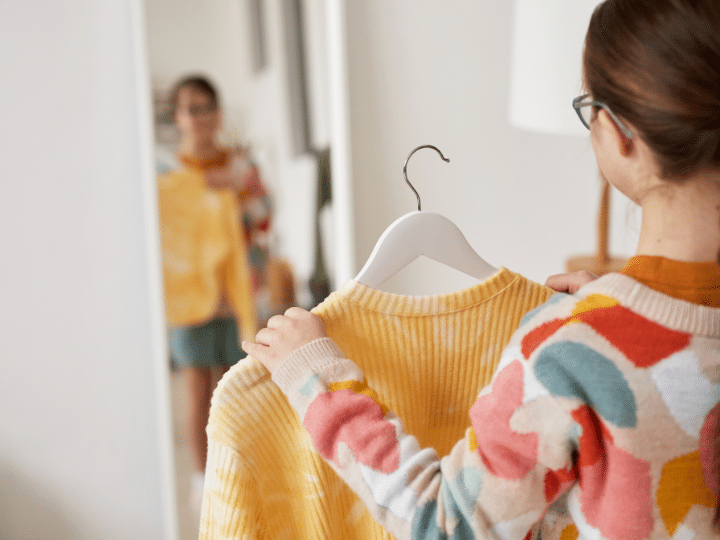
Fashion Tips: Embrace Your Style with Confidence While Wearing a ScoliBrace
Buy Now: Fashion Tips: Embrace Your Style with Confidence While Wearing a ScoliBraceWearing a scoliosis brace is an important step in your journey, and it doesn’t mean sacrificing your personal style. In fact, your brace can be an opportunity to get creative with your wardrobe, express your individuality, and feel empowered. At ScoliCare, we believe your brace should never diminish your confidence—it’s a part of your strength…
-

Hyperkyphosis in Adolescents: Causes, Symptoms, and Treatment Options
Buy Now: Hyperkyphosis in Adolescents: Causes, Symptoms, and Treatment OptionsWhile scoliosis is quite widely known, the term hyperkyphosis is less familiar. If you’re just starting to learn about hyperkyphosis and how it relates to adolescents, you may have questions about its causes, implications for your child, and treatment options. This article offers a detailed overview of hyperkyphosis, covering its causes, symptoms, and treatment options.…
-
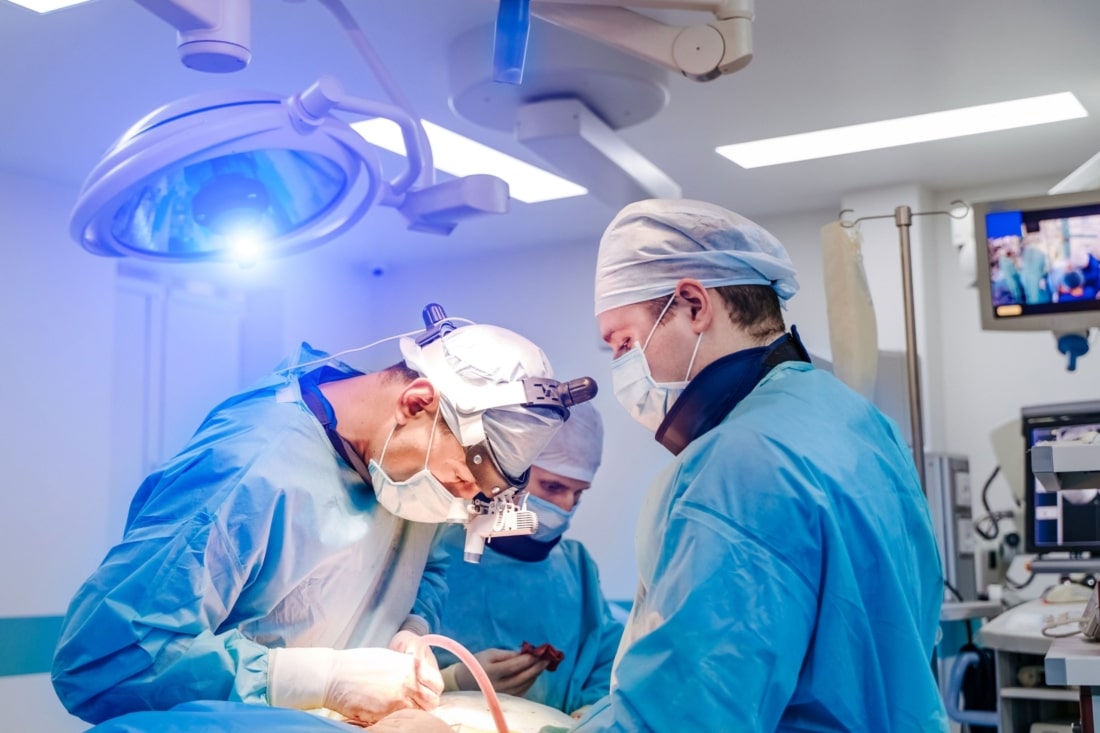
Understanding Scoliosis Surgery
Buy Now: Understanding Scoliosis SurgeryReceiving a scoliosis diagnosis often brings a flood of questions and concerns about the future. How did this happen? What are the scoliosis treatment options? Is scoliosis surgery necessary? Navigating these uncertainties is crucial for making informed decisions. Overview of Scoliosis Surgery This article provides an overview of scoliosis surgery, including when it might be…
-

From School Gymnastics to Olympic Dreams: An Interview with Saskia Broedelet
Buy Now: From School Gymnastics to Olympic Dreams: An Interview with Saskia BroedeletScoliCare Clinical Director, Dr. Juan Du Plessis, recently had the pleasure of interviewing Saskia Broedelet, a rhythmic gymnast poised to make her Olympic debut at the 2024 Paris games. Watch the interview below. We first met Saskia back in 2017 when she was diagnosed with scoliosis and began her treatment journey with ScoliCare. Today,…
-

Overcoming Scoliosis: An Olympian’s Inspiring Journey to Success – Exclusive Interview Coming Soon
Buy Now: Overcoming Scoliosis: An Olympian’s Inspiring Journey to Success – Exclusive Interview Coming SoonAs we approach the excitement of the upcoming Olympics in Paris, we are reminded that the journey to greatness can have its challenges. Among the countless inspiring stories of athletes, one story is particularly close to our hearts here at ScoliCare. Meet Saskia Broedelet: 2024 Paris Olympian Saskia has been a patient at ScoliCare since…
-
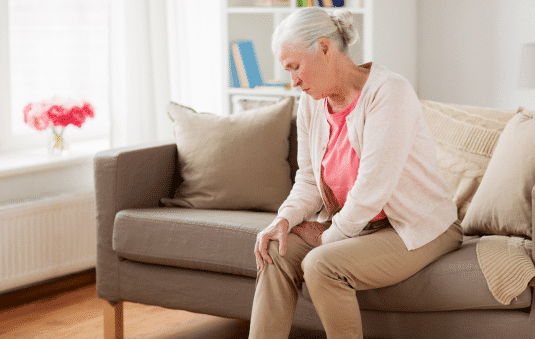
Understanding Scoliosis in Adults
Buy Now: Understanding Scoliosis in AdultsReceiving a scoliosis diagnosis as an adult can be daunting. Many people wonder how it happened, what the future holds, and whether it can be treated. Understanding scoliosis in adults can provide clarity and hope, guiding you toward effective treatment options. Scoliosis Beyond Childhood While scoliosis is often associated with children and adolescents, it can…