

Adolescent Scoliosis
Adolescent Idiopathic Scoliosis (AIS) can affect children or adolescents from the age of 10 into young adulthood.
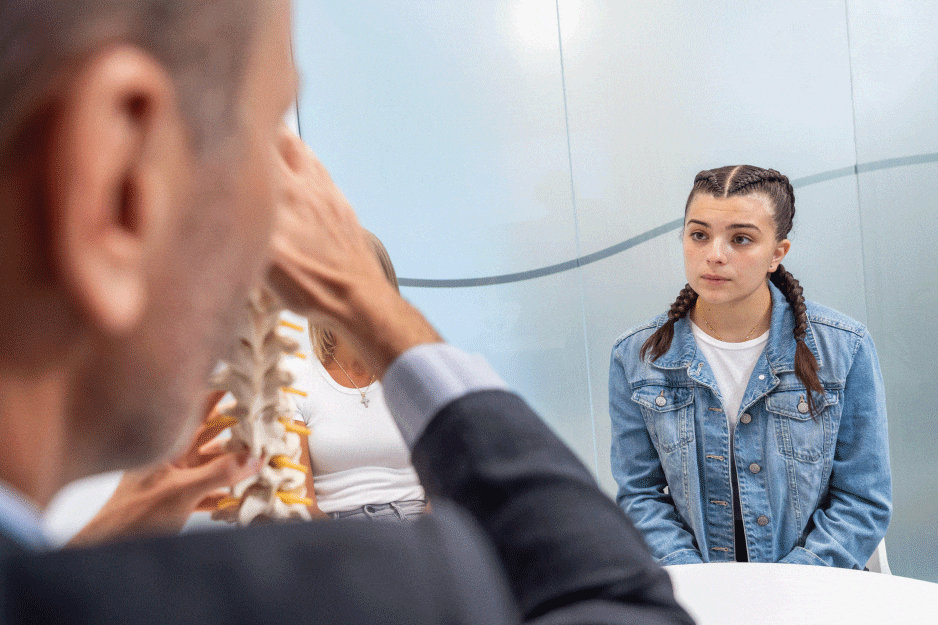
About Adolescent Idiopathic Scoliosis (AIS)
- AIS often becomes noticeable around 11–12 years in girls, and slightly later in boys.
- It affects up to 5% of young people, and around 90% of diagnosed cases are girls.
- Curves can progress quickly during rapid growth, making early detection important.
- Treatments such as custom bracing and scoliosis-specific exercises may help manage AIS as a child grows.
What Causes AIS?
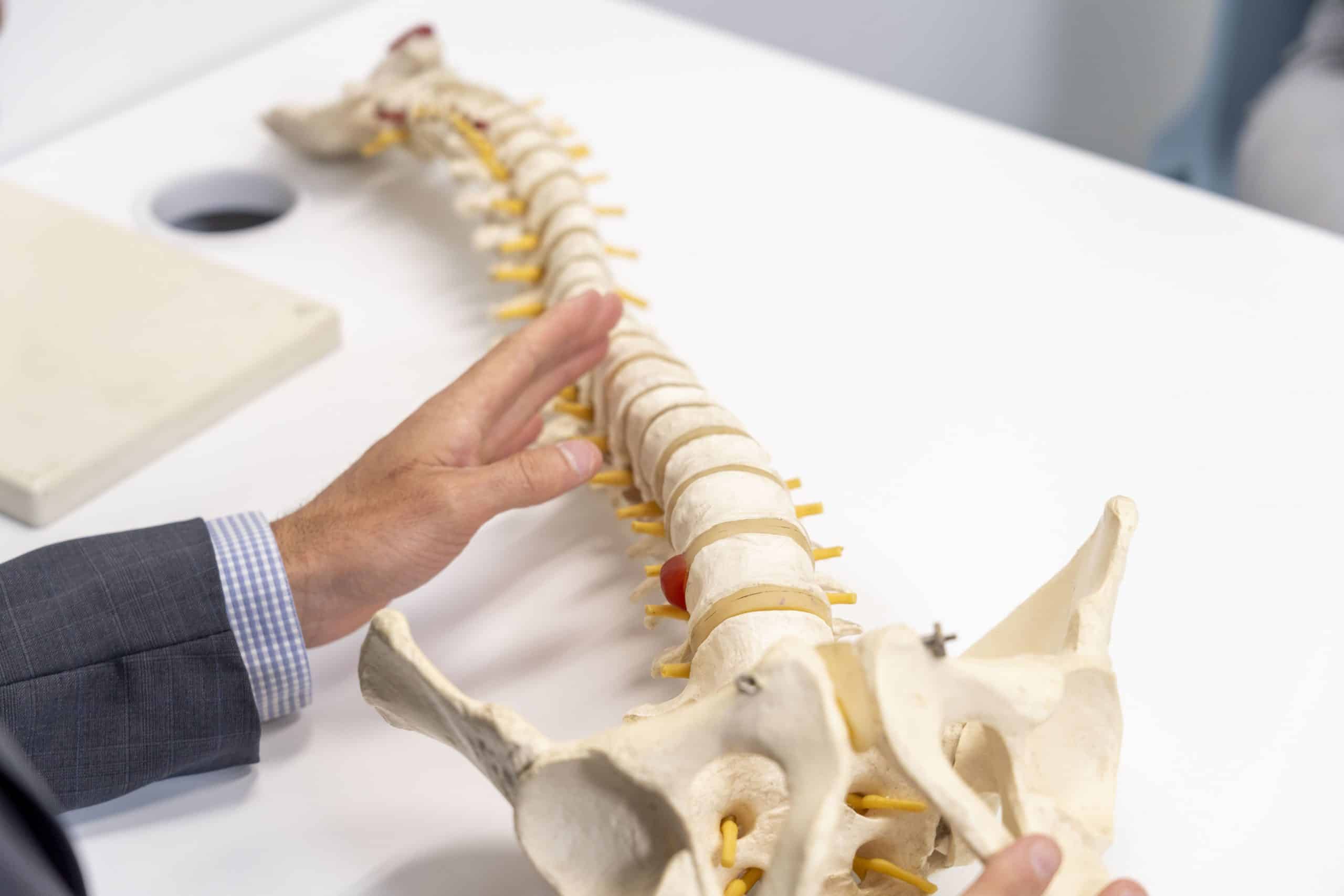
The exact cause of AIS is unknown, which is why it is described as idiopathic (“of unknown origin”). Current research suggests a strong genetic influence, as AIS often appears in multiple members of the same family and several genes linked to scoliosis have already been identified. However, not every child in an affected family will develop scoliosis, indicating that these genes may affect individuals differently and that other factors may also contribute to whether a curve develops.
How AIS Develops
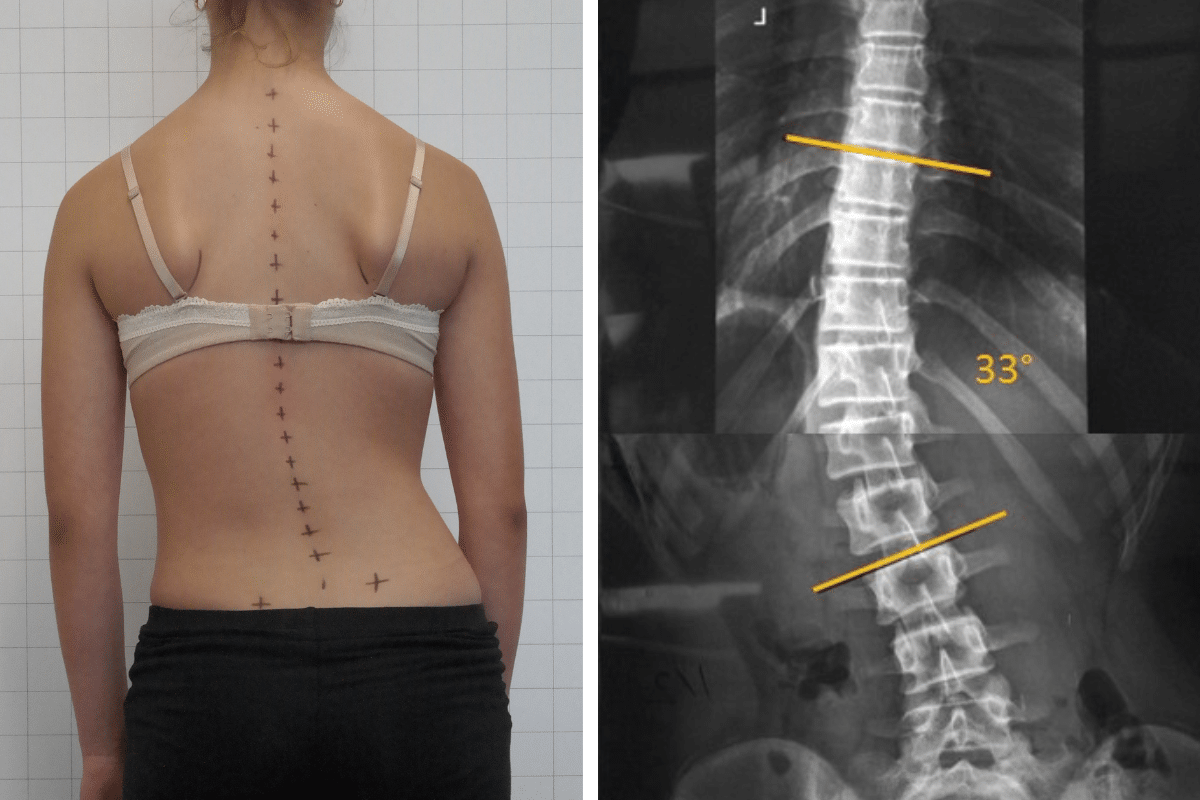
AIS commonly begins at the start of puberty and may progress quickly while the spine is growing. It is most often found during growth spurts, and children with AIS are usually otherwise healthy. Because curves can change as the spine grows, early detection offers the best chance for effective management. If you notice changes in posture or have a family history of scoliosis, a screening can help identify AIS early.
How AIS Is Diagnosed
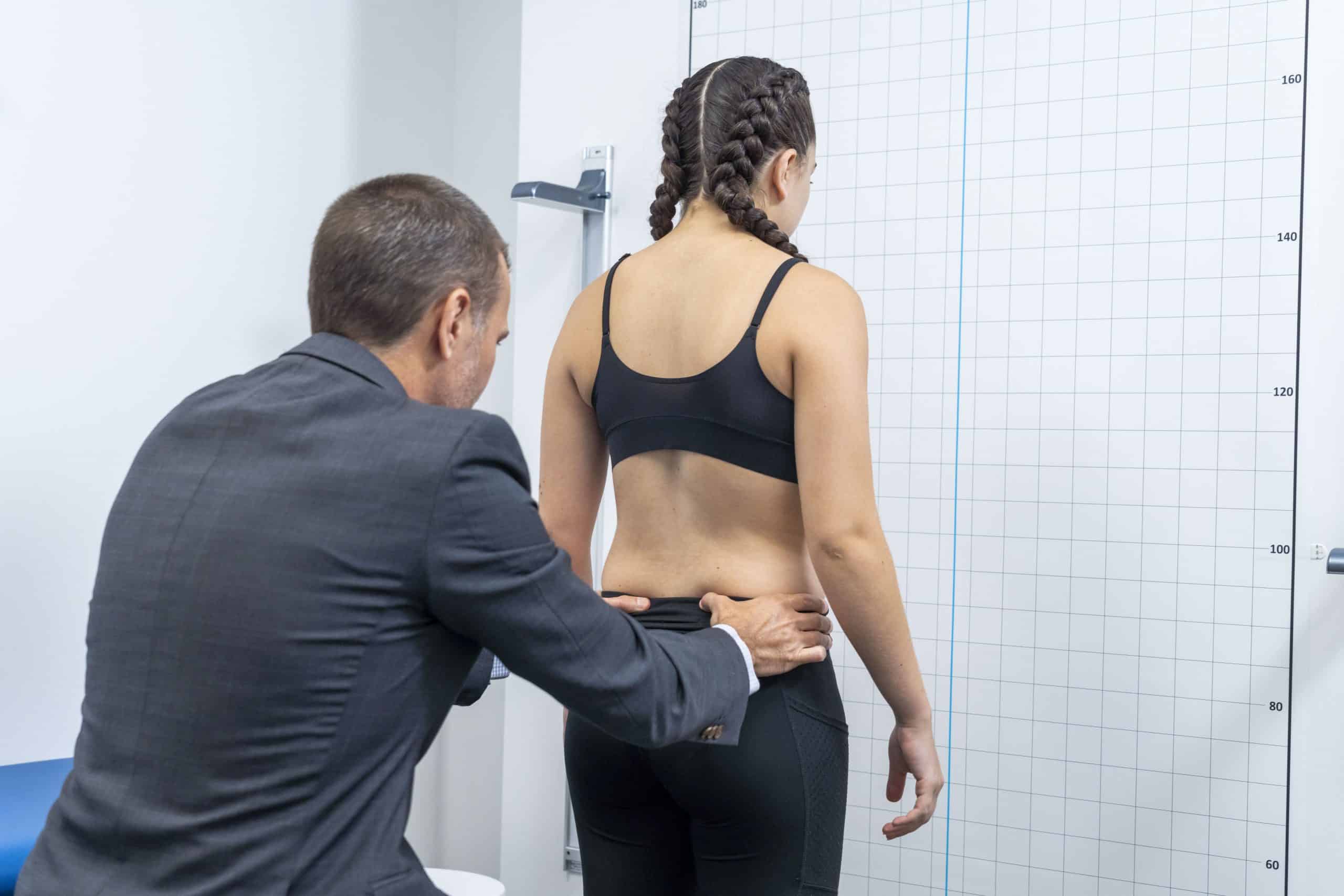
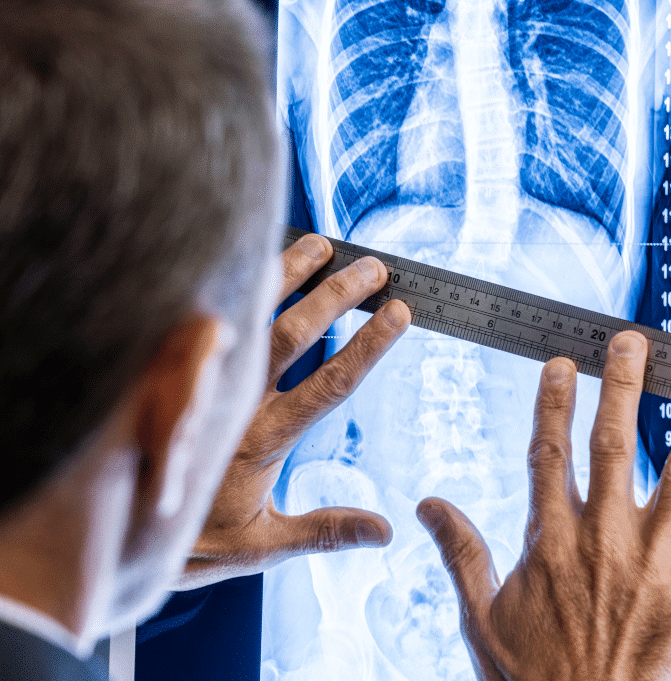
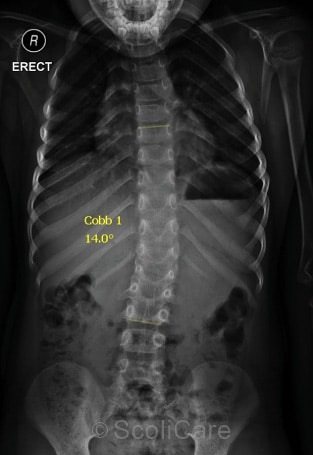
AIS is often first noticed by a parent or family member. Clinicians assess scoliosis using several steps, beginning with the Adams Forward Bending Test to look for unevenness or a rib hump, followed by a full posture check of the shoulders, hips, and overall alignment. A neurological exam is performed to rule out other causes, and standing X-rays are then taken to confirm scoliosis and measure the curve accurately. Tools like ScoliCare’s ScoliScreen app can also help families check for early signs at home.
Treatments for Adolescent Idiopathic Scoliosis
 Overview
 Exercise
 Bracing
 Surgery
There are two main factors that guide treatment for Adolescent Idiopathic Scoliosis (AIS):
- How mature the patient’s skeleton is
- How large the spinal curve is
Because children grow at different rates, skeletal age matters more than actual age. Scoliosis clinicians assess this by examining the hand and/or pelvis bones on X-rays. These X-rays are used to determine the Risser sign, which grades how mature the skeleton is and how much growth remains.
The less mature the skeleton, the higher the risk of progression.
- A 40° curve in an immature Risser 0 patient has a high chance of worsening and usually needs treatment.
- The same curve in a Risser 5 (skeletally mature) adolescent may be stable and may not require intervention.
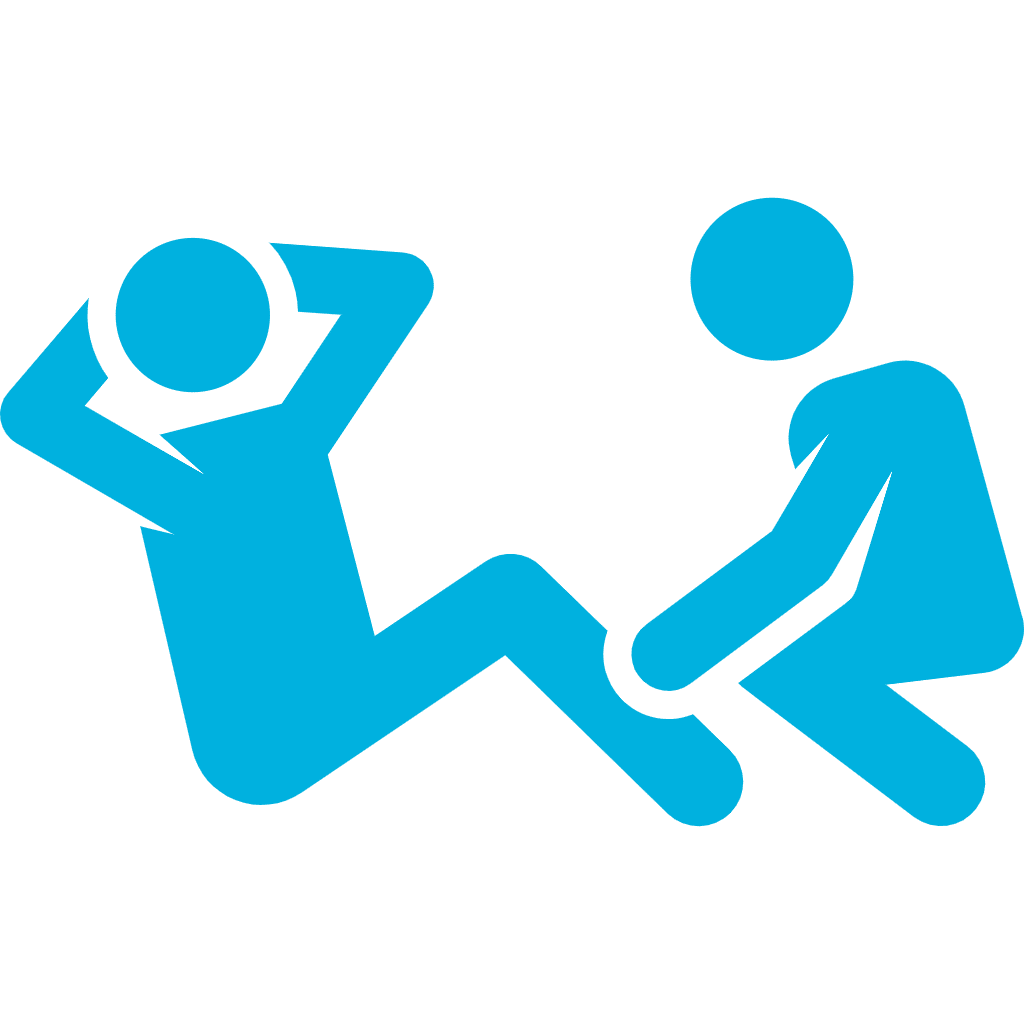
In many cases of AIS, scoliosis-specific exercise rehabilitation, such as ScoliBalance®, may play an important role in treatment. ScoliBalance is a tailored exercise program designed around each patient’s curve, symptoms, and goals.
- For small curves (<20°), ScoliBalance may help prevent progression and improve posture and body appearance.
- For larger curves (>20°), it is often used with bracing to support brace correction and improve muscle endurance and spinal flexibility.
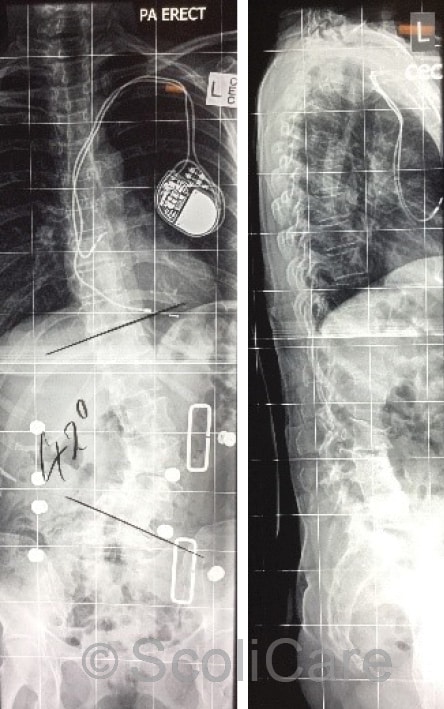
Scoliosis bracing may play an important role in treating adolescents with scoliosis.
- Smaller curves in younger children may sometimes be managed with a custom 3D-designed night-time brace as an early intervention.
- Larger or progressive curves may require a full-time custom 3D over-corrective brace, such as ScoliBrace®, to help manage the curve and reduce the likelihood of needing surgery.
- ScoliBalance® scoliosis-specific exercises are often used alongside bracing to support correction, improve muscle endurance, and maintain spinal flexibility.
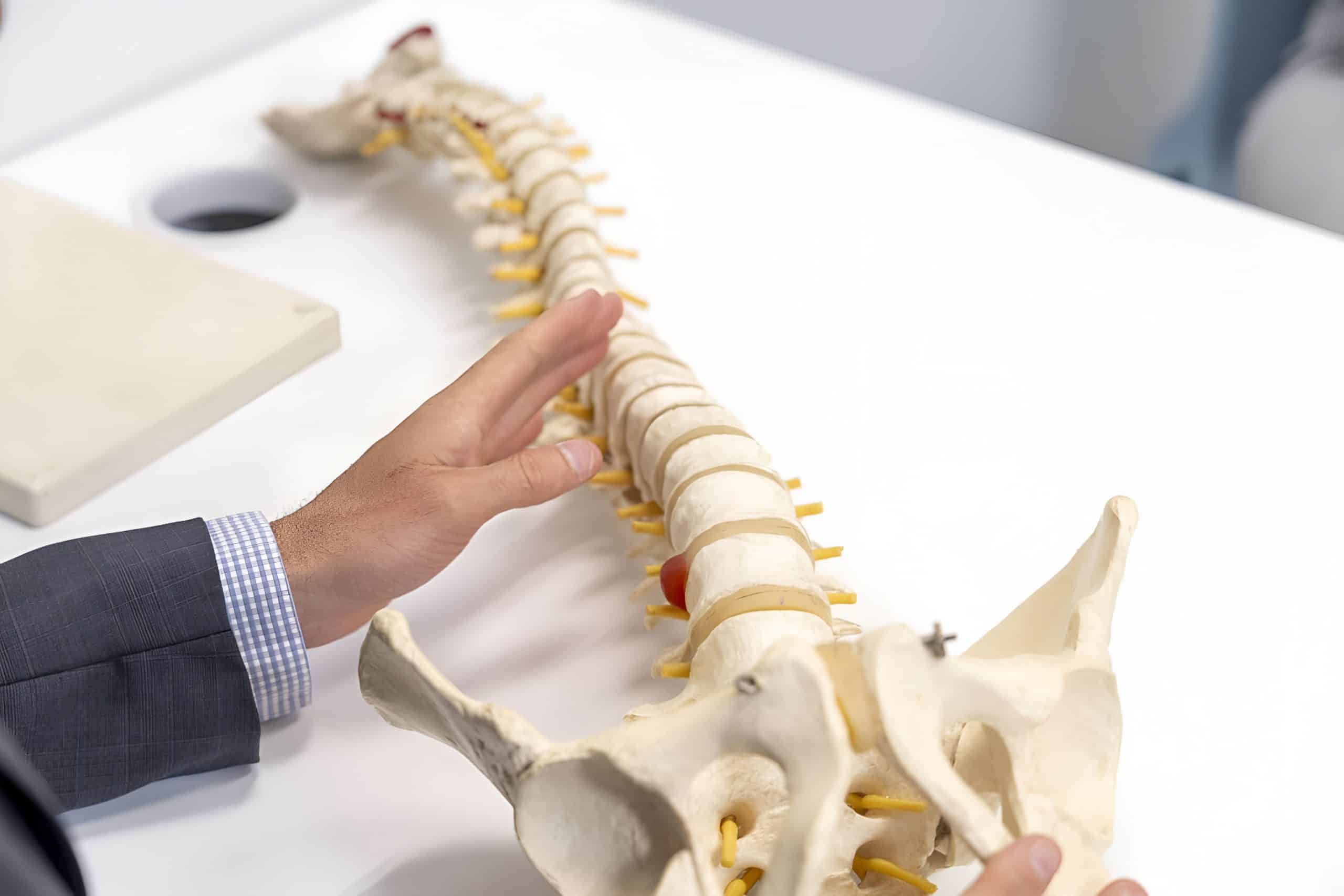
Surgery is typically recommended for very large or progressive curves when conservative treatment is unlikely to help. Curves over 45° often fall into the surgical range.
For an immature patient (Risser 0) with a curve around 50°, bracing and scoliosis-specific exercises may be used to slow progression and delay surgery until the patient is more mature.
In a more mature patient (Risser 4) with the same curve, surgery may not be required if the spine is balanced and the curve remains stable.
Large curves with significant growth remaining have a higher risk of progression, so the main goal is to control the curve and delay surgery until appropriate maturity.
Frequently Asked Questions
No. AIS is not caused by poor posture, backpacks, sports, or sleeping positions.
The Risser sign is an X-ray marker of skeletal maturity. It helps clinicians understand how much growth is left and how likely the curve is to change.
Warning signs may include uneven shoulders, uneven hips, a tilted waist, or a visible curve. If anything unusual is noticed, it’s advised to to contact a dedicated scoliosis clinic for an assessment and guidance on the next steps. Early detection is important.
Yes, AIS can run in families, but not every child in an affected family will develop scoliosis.
If you’re unsure about your scoliosis diagnosis or treatment plan, it’s a good idea to get a second opinion from a dedicated scoliosis clinic.
Other Types of Scoliosis

Infantile
Juvenile

Adolescent

Adult
Neuromuscular

